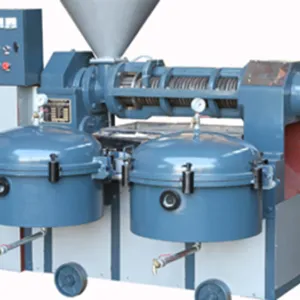
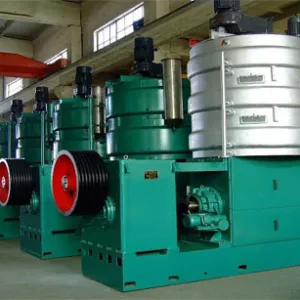
Extracting oil from soybeans efficiently and maintaining high product quality are pivotal for small and medium-sized oil mills striving to stay competitive in today's global market. This tutorial unpacks the entire soybean oil extraction process using mechanical screw presses, focusing on crucial operational parameters, practical techniques, and maintenance protocols that can significantly enhance oil yield and purity.
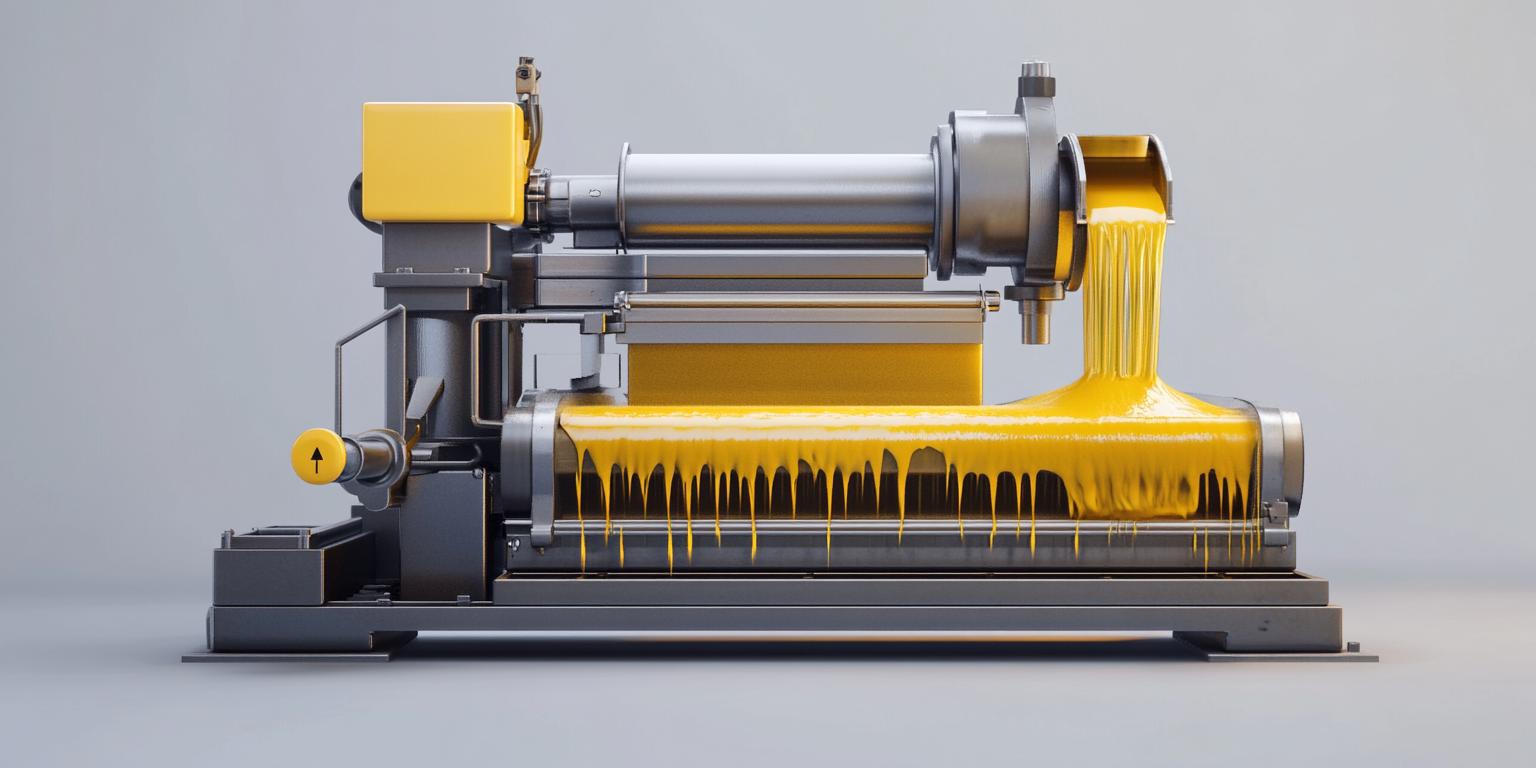
The heart of soybean oil extraction lies in the mechanical screw press operation. This process applies continuous pressure via a rotating screw shaft, forcing oil out of soybean flakes. The screw press simultaneously compresses, shears, and transports material, ensuring gradual oil release while minimizing thermal degradation.
| Parameter | Optimal Range | Effect on Oil Yield |
|---|---|---|
| Feed moisture content | 6% - 8% | Ensures optimal oil flow and reduces clogging |
| Screw speed | 60 - 90 RPM | Balances throughput with pressing efficiency |
| Pressing temperature | 80°C - 110°C | Improves oil fluidity and extraction rate |
The oil extraction journey starts with thorough soybean preparation and culminates in receiving clean oil and nutrient-rich meal byproducts. Below is a detailed breakdown of each stage, including vital control points:
Removal of impurities such as stones, dust, and husks is essential to avoid damage and contamination in the press. Preprocessing steps typically include:
Uniform and continuous feeding ensures stable operation. Screw feeders or gravity-fed hoppers regulated by controlled gates maintain an even flow rate — approximately 100-150 kg/hour for small-scale units.
The screw shaft generates pressure up to 15-25 MPa, compacting soybean flakes inside the barrel. Oil is squeezed through small gaps and expelled via the press cage's perforations, while solid residue (soybean cake) is discharged at the tail end. Key operating tips include:
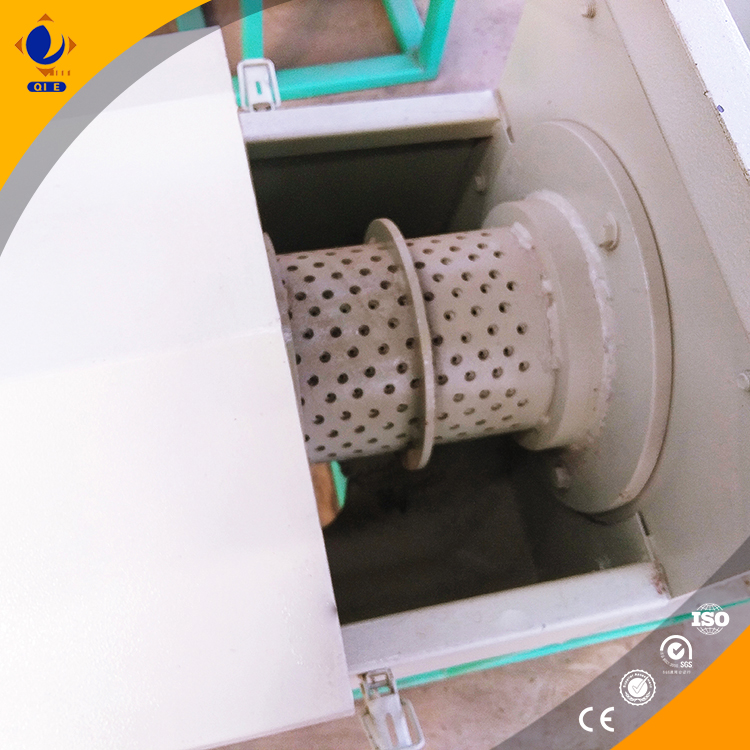
The crude oil filtered immediately after pressing retains impurities such as fine solids and particulates. Multi-stage filtration employing mesh strainers and vacuum filter systems removes 95-99% of suspended solids, ensuring clearer oil and longer shelf life.
| Filtration Stage | Method | Efficiency |
|---|---|---|
| Coarse Filtering | Metal mesh strainer (500 microns) | ~85% |
| Fine Filtering | Vacuum filter (5-10 microns) | ~98% |
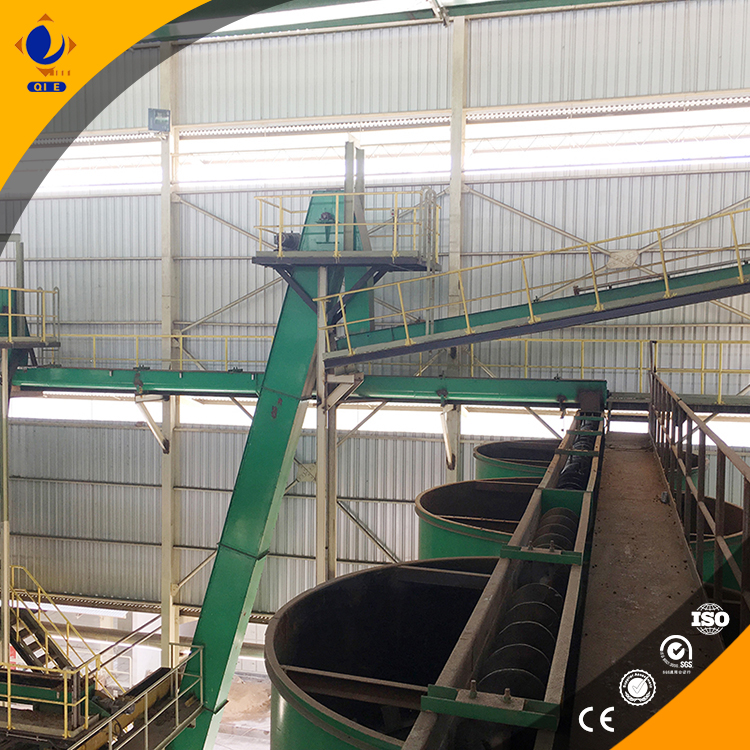
The press cake, constituting roughly 20-25% of the original soybean mass, remains rich in protein and fiber, making it valuable for animal feed or further processing into soy protein products.
Regular equipment inspection and timely maintenance are vital to avoid downtime and maintain steady oil output.
| Task | Frequency | Key Points |
|---|---|---|
| Screw shaft inspection | Weekly | Check for wear and shaft straightness |
| Press cage cleaning | Daily | Remove clogged residues to prevent pressure blocks |
| Oil filter replacement | Monthly | Ensure filtration efficiency and oil clarity |
Compared to solvent extraction or hydraulic pressing, mechanical screw presses offer:
Case in point: A mid-sized soybean oil mill in Southeast Asia increased oil yield by 12% after optimizing pressing temperature and moisture balance, demonstrating significant ROI within four months.