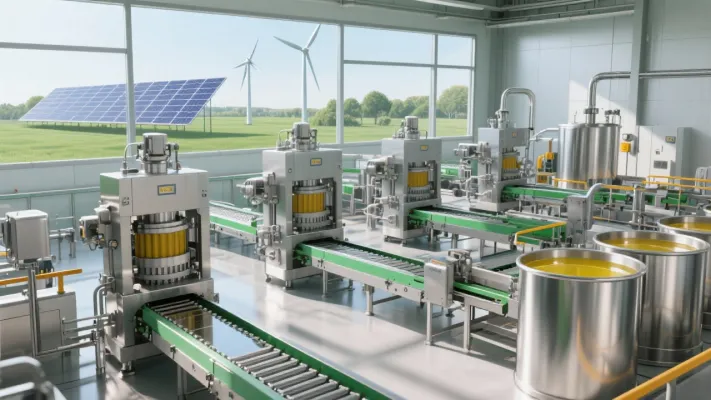
Running a soybean oil press efficiently isn’t just about turning the machine on—it’s about understanding how small maintenance steps can prevent costly downtime and poor oil quality. According to industry data from the International Association of Oilseed Processors (IAOP), over 40% of unplanned production halts in mid-sized oil plants stem from avoidable issues like contaminated oil or mechanical noise—problems that often start with overlooked daily checks.
Before pressing begins, ensure soybeans are thoroughly cleaned. Moisture content above 12% or foreign particles like stones and husks increase friction inside the screw shaft and reduce oil yield by up to 8%. A well-maintained feed hopper should allow smooth, uninterrupted flow—any blockage here leads to uneven pressure and premature wear. Use a vibrating screen separator for best results, especially when processing raw beans directly from farms.
The screw shaft and press chamber endure high stress during operation. Lubricate these components every 4–6 hours in continuous use—this reduces metal-to-metal contact and prevents overheating. Industry benchmarks show machines maintained this way last 25–30% longer than those without scheduled greasing. Also inspect hydraulic systems monthly for leaks; even minor seepage can lead to inconsistent pressure and lower extraction efficiency.
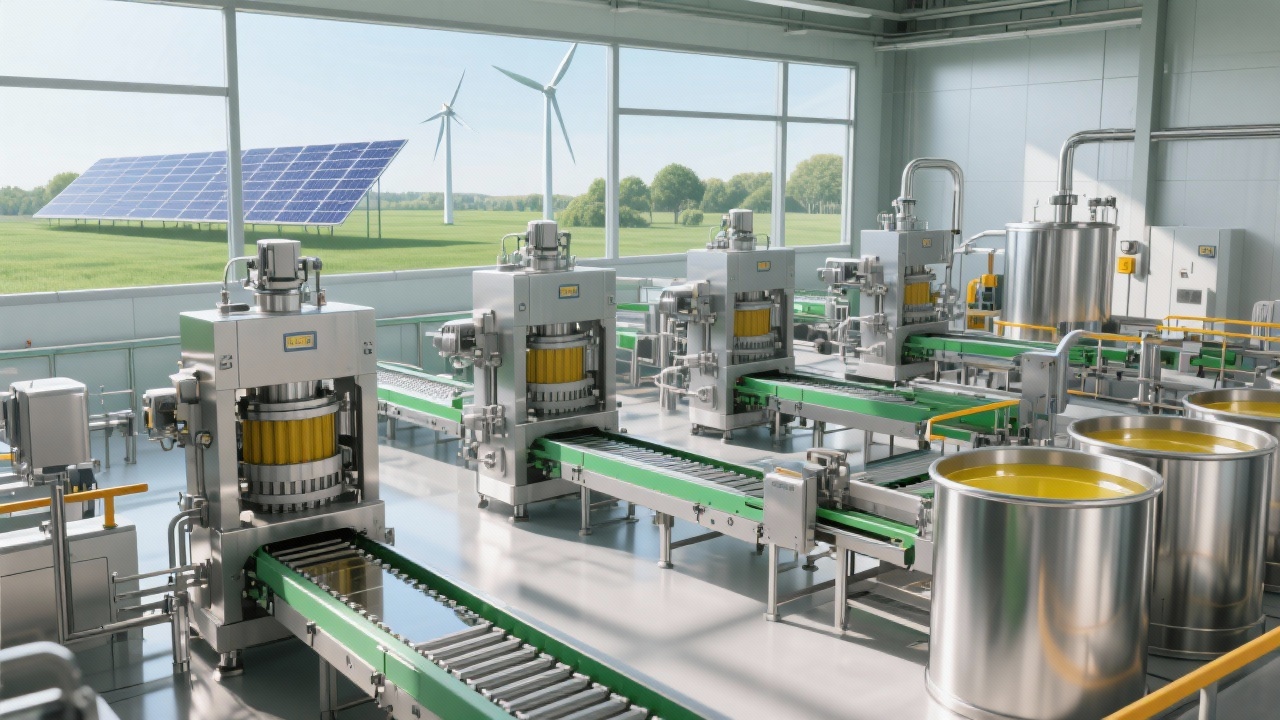
Oil purity is directly tied to filter cleanliness. After each shift, clean the coarse and fine filters using hot water and mild detergent—avoid harsh chemicals that degrade filter media. A clogged filter increases backpressure, causing impurities to pass through into final oil. Studies indicate that regular filter maintenance improves oil clarity by up to 70%, reducing reprocessing costs significantly.
If oil output drops suddenly or unusual sounds emerge—such as grinding, knocking, or squealing—it’s time to investigate. These signs typically point to worn bearings (replace every 12 months), misaligned screws, or damaged bushings. In one documented case at a Nigerian plant, noise was traced to a single loose bolt in the drive system—a fix that restored full productivity within 30 minutes.
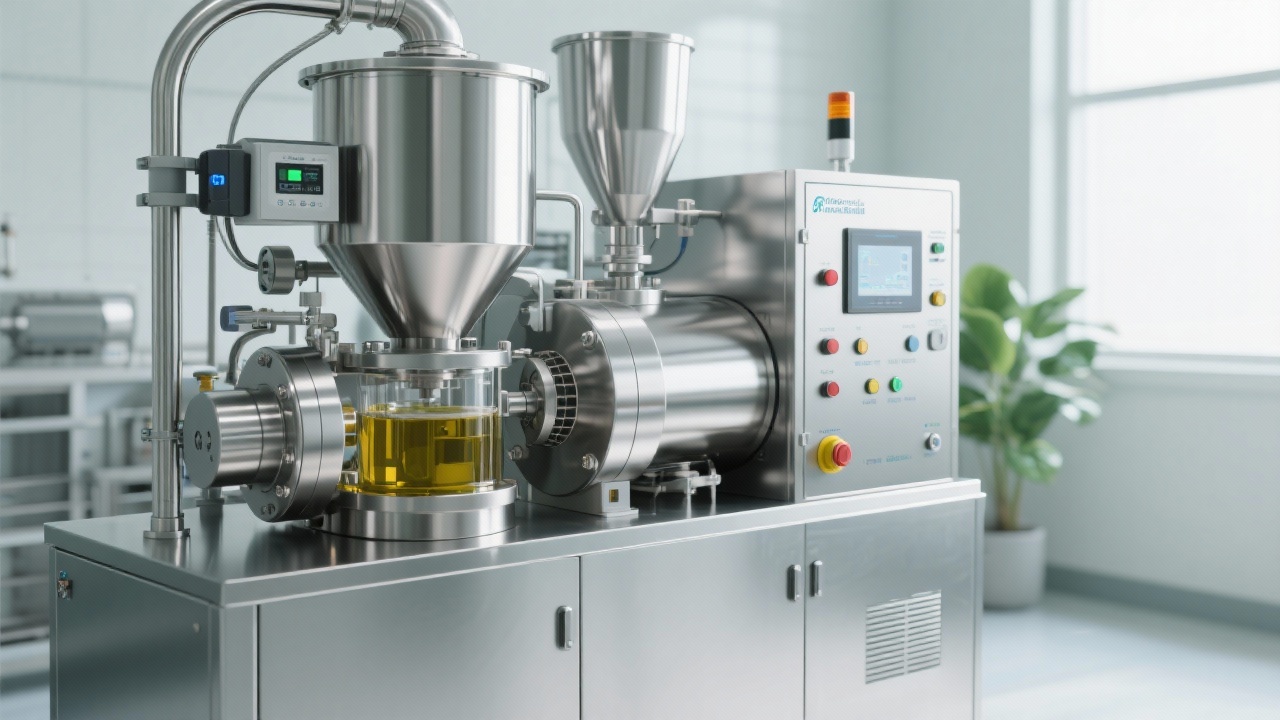
Preventive maintenance isn't optional—it's strategic. Implement a weekly checklist covering all critical parts, including belts, seals, and electrical connections. This simple habit cuts emergency repairs by more than half and boosts overall equipment effectiveness (OEE) by 15–20%, according to a 2023 report by Food Engineering Magazine.
Ready to upgrade your soybean oil production? Our industrial-grade spiral oil press combines precision engineering with user-friendly design—ideal for factories aiming for consistent, high-quality oil output. Whether you're troubleshooting existing issues or building a new facility, our team supports tailored solutions based on your volume, raw material type, and local regulations.
Get Your Free Equipment Assessment Today