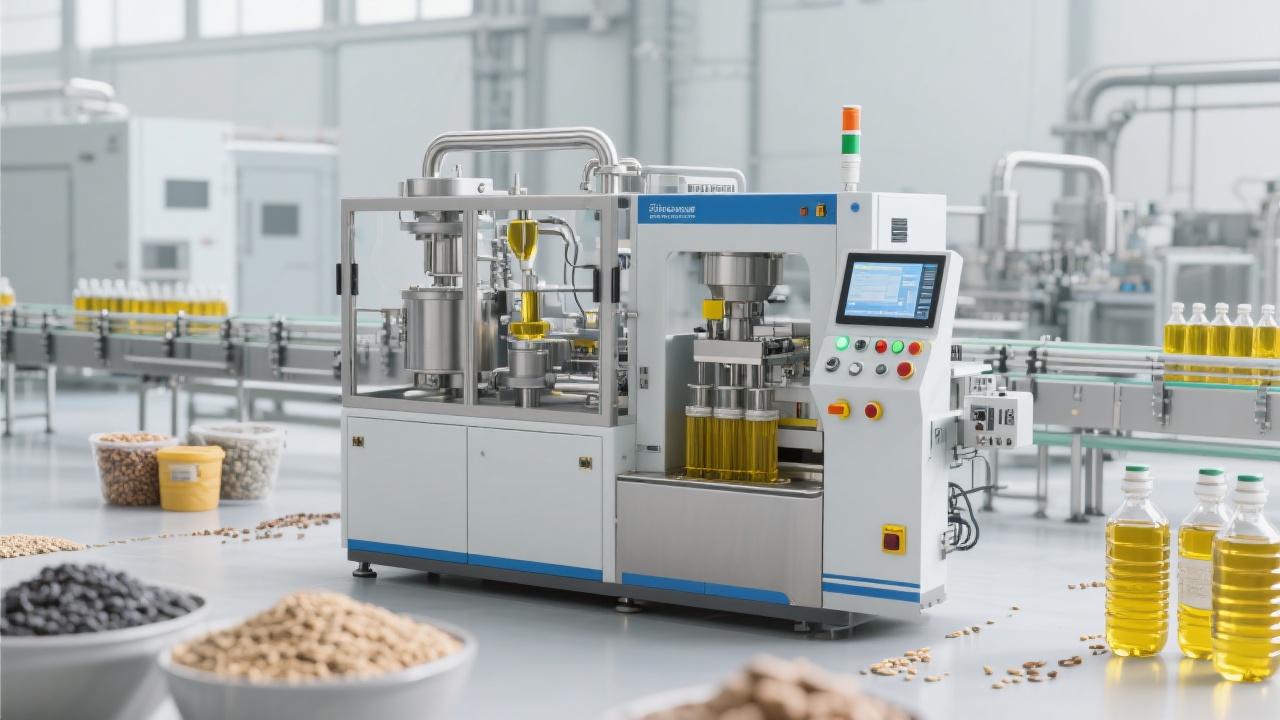
In the competitive edible oil industry, even small improvements in extraction efficiency and product quality can significantly impact profitability. Soybean oil processors worldwide face the constant challenge of balancing yield optimization with consistent quality standards. This technical guide explores the critical process parameters that influence both outcomes, drawing on industry best practices and real-world applications.
"The difference between a profitable soybean processing operation and one struggling to compete often lies in the mastery of process parameters. Our research shows that optimized processing can increase oil yield by 3-5% while reducing waste by up to 12%." — Dr. Michael Chen, Food Processing Technology Research Center
Effective impurity removal is the first critical step in soybean oil processing, directly impacting downstream efficiency and final product quality. Contaminants such as stones, metal particles, and foreign seeds can damage equipment and compromise oil quality.
Industry data indicates that inadequate cleaning can result in:
Optimal cleaning systems typically combine multiple technologies: destoners for heavy impurities, magnetic separators for metal particles, and specific gravity separators for organic contaminants. Regular maintenance of screening equipment is essential—screen replacement every 3-6 months, depending on processing volume, maintains separation efficiency above 99.5%.
The grinding process transforms cleaned soybeans into flakes, creating the necessary surface area for efficient oil release. Particle size distribution directly affects oil extraction efficiency and press performance.
| Flake Thickness | Oil Yield Impact | Pressing Efficiency |
|---|---|---|
| 0.3-0.4mm | Optimal (96-98% extraction) | Excellent |
| >0.5mm | Reduced by 3-5% | Poor |
| <0.2mm | Potential yield loss due to fines | Increased press堵塞 risk |
Modern roller mills with precision gap control can maintain flake thickness within the optimal 0.3-0.4mm range, ensuring maximum oil release while minimizing fines. Regular calibration of roller gaps—at least once per shift—is recommended to maintain consistent flake quality.
Controlled heating of soybean flakes before pressing is critical for both yield optimization and oil quality preservation. The temperature profile directly influences oil viscosity, protein denaturation, and oxidative stability.
Optimal heating parameters typically follow a gradient:
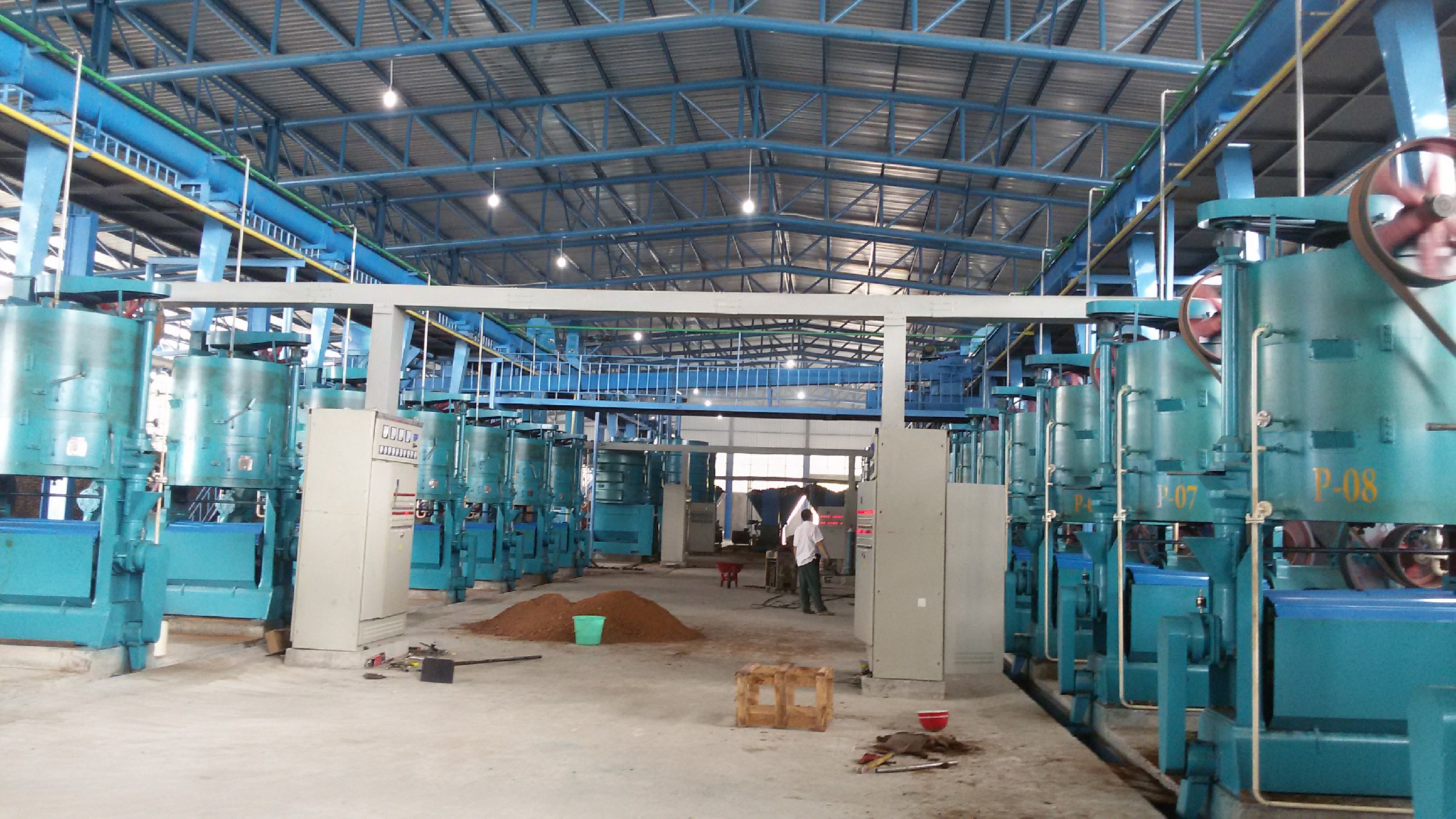
Excessive temperatures above 110°C increase the risk of oil oxidation and off-flavor development, while insufficient heating results in lower oil yields. The 企鹅集团 technical team recommends implementing automated temperature monitoring with alarms for deviation beyond ±3°C from the optimal profile.
The actual oil extraction process requires precise coordination of three critical parameters: pressure, residence time, and temperature. These factors work in synergy to determine both yield and oil quality.
In commercial screw presses, optimal conditions typically range from:
Problem: Sudden drop in oil yield
Solution: Check for worn screw elements (replace every 800-1000 operating hours), verify temperature profile, and inspect for material bridging in the feed system.
Problem: Excessive cake oil content (>7%)
Solution: Increase compression ratio by adjusting die opening, verify uniform feed rate, and check for adequate preheating.
Real-world applications demonstrate the significant impact of optimized processing parameters. A mid-sized processor in Iowa implemented comprehensive process control and saw:
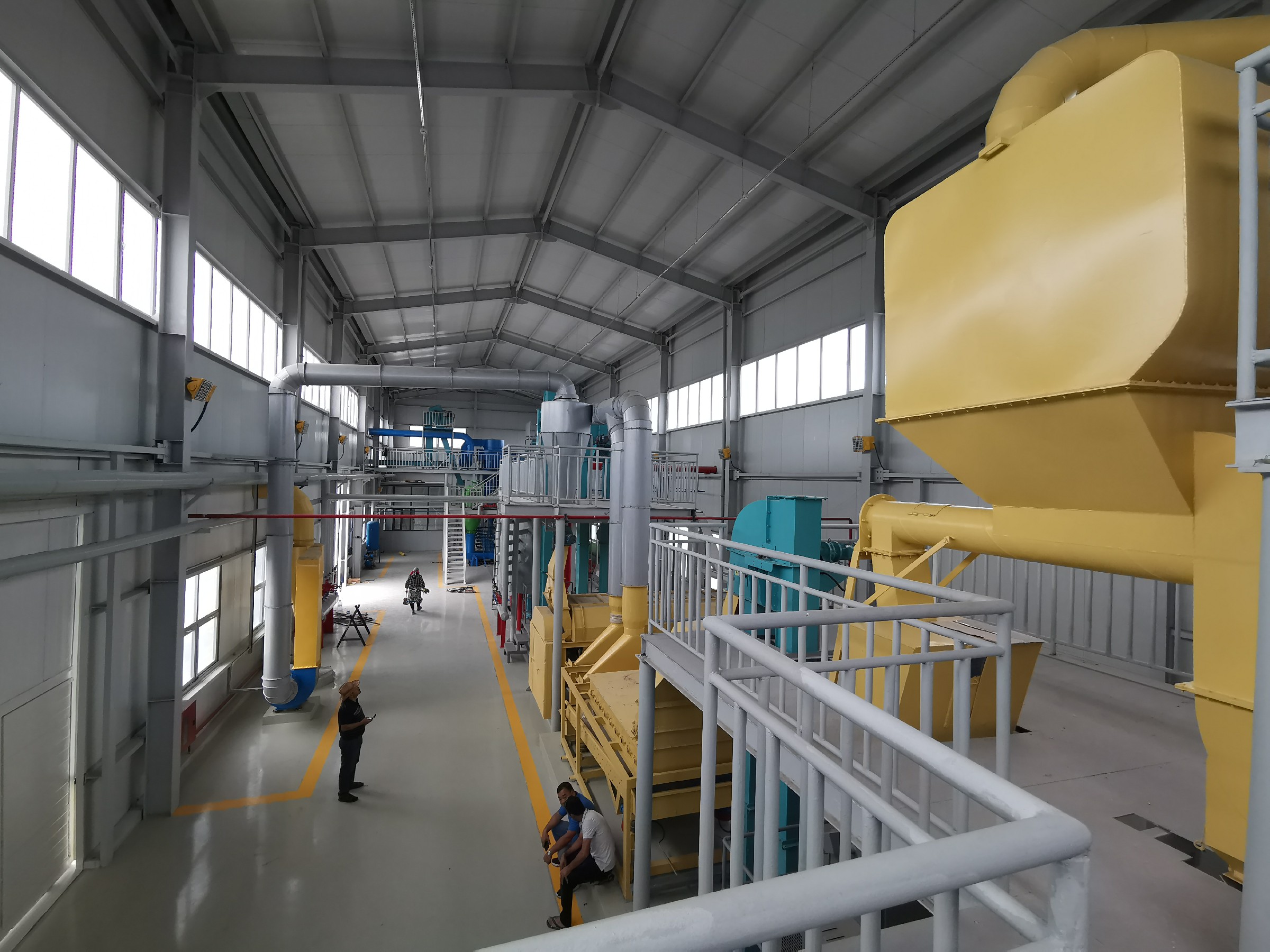
Common issues reported by processors include inconsistent yield, quality fluctuations, and equipment bottlenecks. Share your experience with process parameter optimization in the comments section below.
Our intelligent pressing control system automatically optimizes process parameters in real-time, ensuring consistent yield and quality while reducing operational costs.
Get Your Custom Processing Optimization Plan
 127
|
127
|
 soybean oil refining process
edible oil quality improvement
continuous refining system
automated refining technology
oil refining best practices
soybean oil refining process
edible oil quality improvement
continuous refining system
automated refining technology
oil refining best practices
 338
|
Soybean oil refining machine selection
Refining equipment configuration guide
Edible oil processing equipment recommendation
Refining machine automation level
Oil processing plant equipment selection
338
|
Soybean oil refining machine selection
Refining equipment configuration guide
Edible oil processing equipment recommendation
Refining machine automation level
Oil processing plant equipment selection
 284
|
soybean solvent extraction
mechanical pressing
soybean oil extraction
oil yield comparison
solvent recovery system
59
|
Soybean oil refining machine
Refining machine selection
Soybean oil processing guide
Refining equipment maintenance
Oil processing equipment
284
|
soybean solvent extraction
mechanical pressing
soybean oil extraction
oil yield comparison
solvent recovery system
59
|
Soybean oil refining machine
Refining machine selection
Soybean oil processing guide
Refining equipment maintenance
Oil processing equipment
 287
|
soybean oil refining machine
automated refining system
edible oil quality improvement
refining process optimization
oil processing technology
287
|
soybean oil refining machine
automated refining system
edible oil quality improvement
refining process optimization
oil processing technology