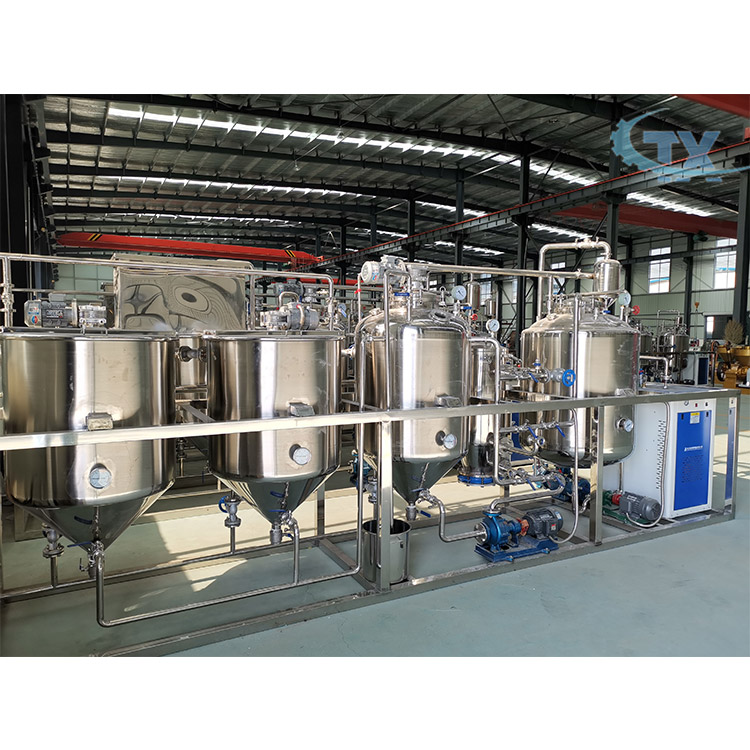
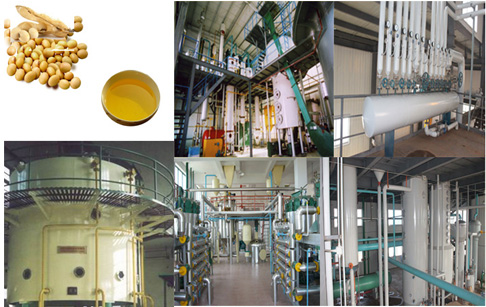
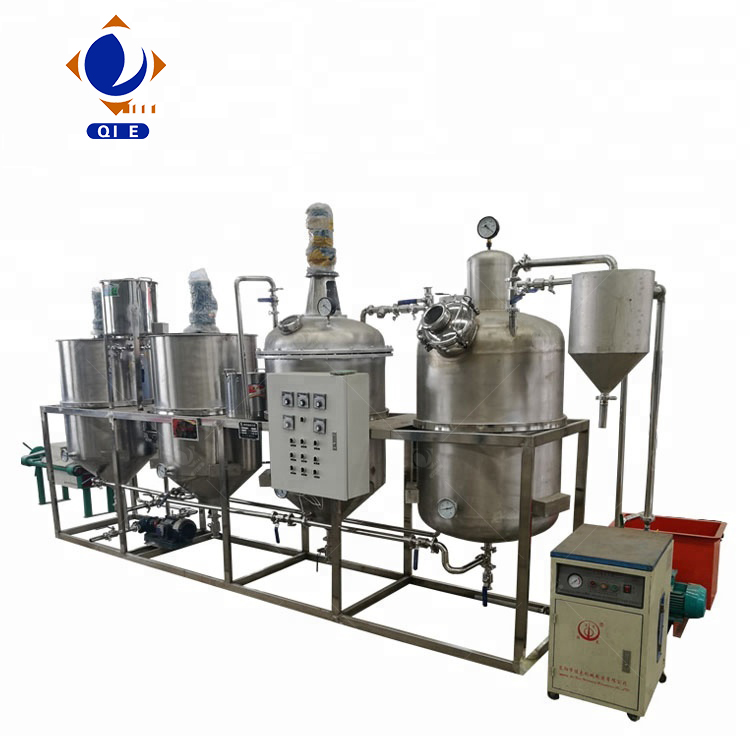
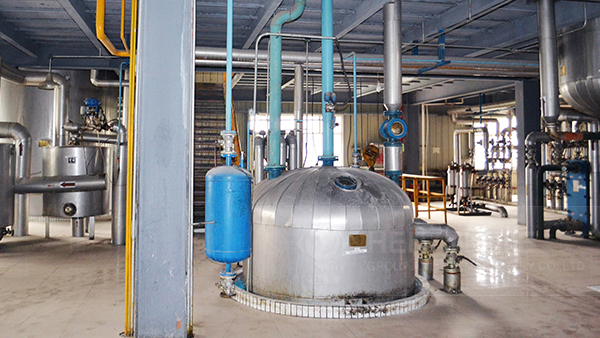
In the competitive edible oil processing industry, even a 1% increase in oil yield can translate to approximately $50,000 additional annual profit for a medium-sized facility processing 500 tons of soybeans daily. This comprehensive guide explores how optimizing raw material cleaning - often overlooked as a basic step - serves as the foundation for maximizing extraction efficiency and oil quality throughout the entire production chain.
Soybean oil production involves a sophisticated interplay of mechanical processes and thermal treatments, where each stage directly impacts the final yield and quality. Industry data shows that inadequate cleaning alone can reduce oil yield by 2-3% and increase processing equipment wear by up to 40%. For processors aiming to remain competitive in today's market, mastering the science of impurity removal is not optional but essential.
Effective soybean cleaning involves multiple stages working in harmony to remove different types of impurities. Modern processing lines typically incorporate magnetic separators, destoners, vibratory screens, and aspiration systems, each targeting specific contaminants. The goal is to achieve 99.9% purity before the beans enter the conditioning phase.
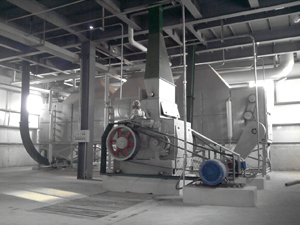
Adjusting screen sizes according to soybean variety is crucial. For example, mature yellow soybeans typically require 6mm screens, while smaller varieties may need 5mm openings. Regular calibration of aspiration systems to maintain optimal air velocity (typically 12-15 m/s) ensures lighter impurities like dust and hull fragments are effectively removed without losing valuable beans.
After thorough cleaning, proper grinding reduces soybeans to an optimal particle size that balances extraction efficiency with oil quality. Studies show that particles sized between 0.5-1.5mm yield the highest oil recovery rates, while particles larger than 2mm can reduce extraction by up to 1.8%. The 企鹅集团 technical team recommends regular sieve analysis to monitor grind consistency, a practice that has helped clients improve yield by an average of 1.2%.
| Parameter | Optimal Range | Impact of Deviation |
|---|---|---|
| Particle Size | 0.5-1.5mm | ±0.3mm = ±0.5% yield |
| Moisture Content | 8-10% | Outside range increases fines by 30% |
| Rotor Speed | 1200-1400 RPM | Speed affects particle uniformity |
Controlled heating of soybean flakes is a critical step that denatures proteins, ruptures oil cells, and reduces viscosity - all factors that significantly impact extraction efficiency. The optimal temperature range of 80-95°C must be maintained uniformly across the flake bed to prevent overheating (which causes dark oil color) or underheating (which reduces yield). Modern heat exchangers with digital temperature control can maintain this range within ±2°C, a precision that typically improves yield by 0.8-1.2% compared to older systems.
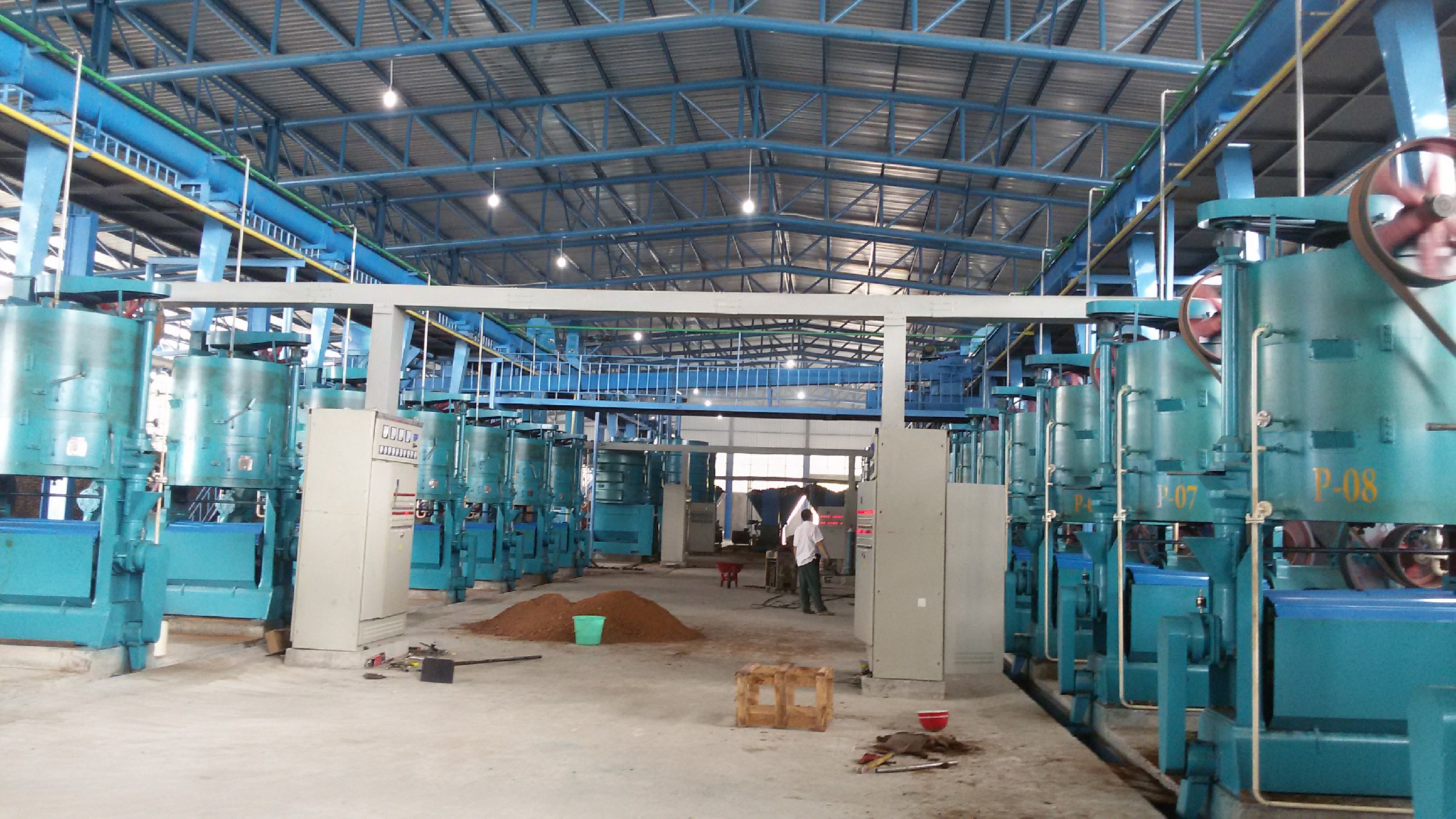
Even with perfect upstream processing, improper press settings can negate all previous quality control efforts. Maintaining optimal press temperature (110-120°C), pressure (18-22 MPa), and screw speed (15-20 RPM) is essential. Regular maintenance, including daily checks of wear parts and weekly calibration, prevents efficiency degradation. A case study from a mid-sized processor showed that implementing a structured maintenance program reduced unplanned downtime by 45% and maintained yield within 0.5% of optimal levels consistently.
Diagnosis: Often traced to screen blockage in cleaning section or worn grinding plates
Solution: Implement daily screen inspection and establish grinding plate replacement schedule based on tonnage processed
Diagnosis: Typically caused by uneven heat distribution or moisture variation in raw material
Solution: Install moisture monitoring system at intake and upgrade to multi-zone heating system
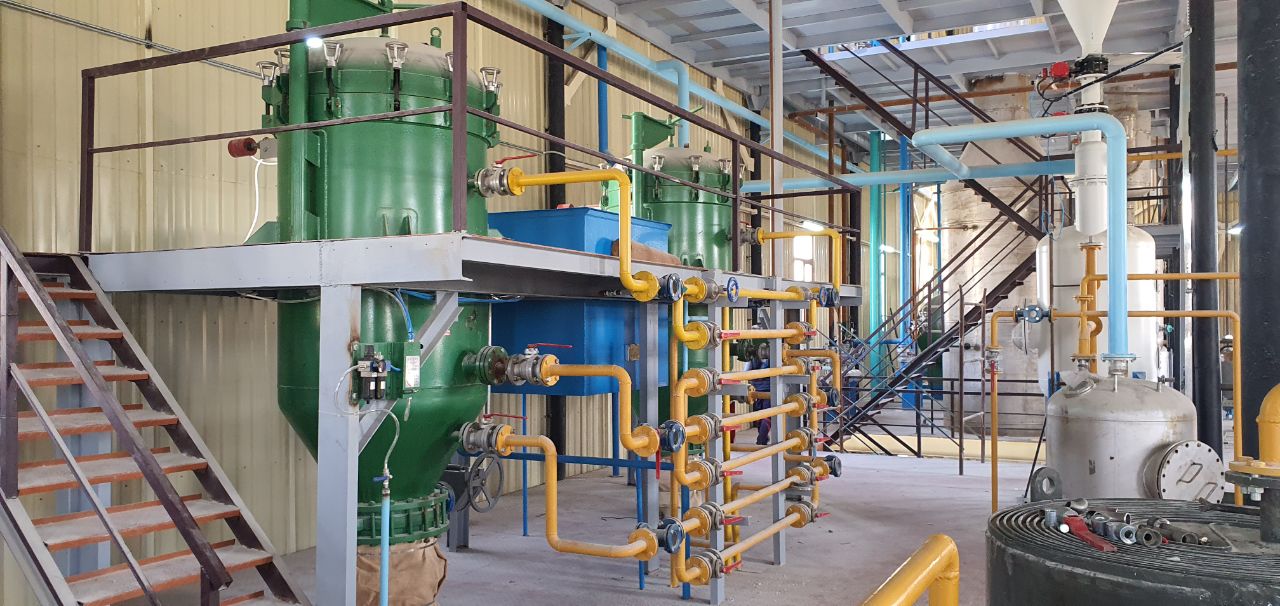
Our team of process engineers has helped over 200 oil processors achieve an average yield increase of 2.3% through optimized cleaning and processing systems. Discover how tailored equipment configurations and process optimization can maximize your profitability.
Schedule Your Free Process AssessmentContinuous improvement in soybean oil processing requires a holistic approach that begins with raw material cleaning and extends through every subsequent stage. By implementing the precise controls and maintenance protocols outlined here, processors can achieve consistent yields, superior oil quality, and reduced operating costs. The most successful operations view each processing stage as interconnected, recognizing that optimization at the beginning creates a foundation for excellence throughout the entire production chain.

 127
|
127
|
 soybean oil refining process
edible oil quality improvement
continuous refining system
automated refining technology
oil refining best practices
soybean oil refining process
edible oil quality improvement
continuous refining system
automated refining technology
oil refining best practices
 189
|
smart soybean oil extractor
oil extraction automation
energy-efficient oil extraction equipment
soybean oil production machinery
automated oil pressing technology
189
|
smart soybean oil extractor
oil extraction automation
energy-efficient oil extraction equipment
soybean oil production machinery
automated oil pressing technology
 71
|
Soybean oil refining process
Edible oil shelf life extension
Refining equipment selection
Free fatty acid removal
Oil oxidation control
71
|
Soybean oil refining process
Edible oil shelf life extension
Refining equipment selection
Free fatty acid removal
Oil oxidation control
 283
|
soybean solvent extraction
mechanical pressing
soybean oil extraction
oil yield comparison
solvent recovery system
283
|
soybean solvent extraction
mechanical pressing
soybean oil extraction
oil yield comparison
solvent recovery system
 67
|
Soybean oil refining machine
Automation refining system
Edible oil quality improvement
Refining process optimization
Oil oxidation control
67
|
Soybean oil refining machine
Automation refining system
Edible oil quality improvement
Refining process optimization
Oil oxidation control
.jpg)