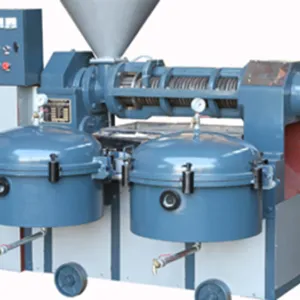
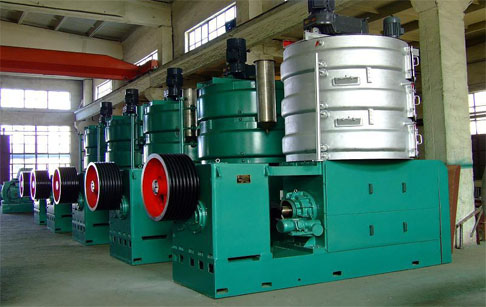
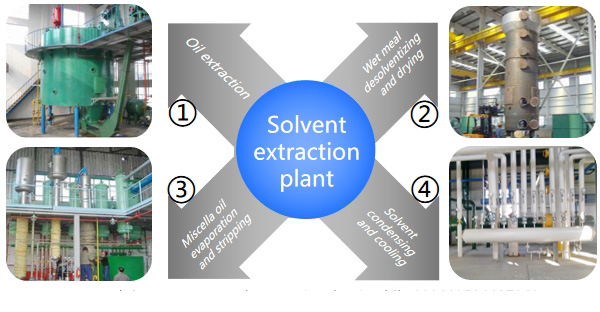
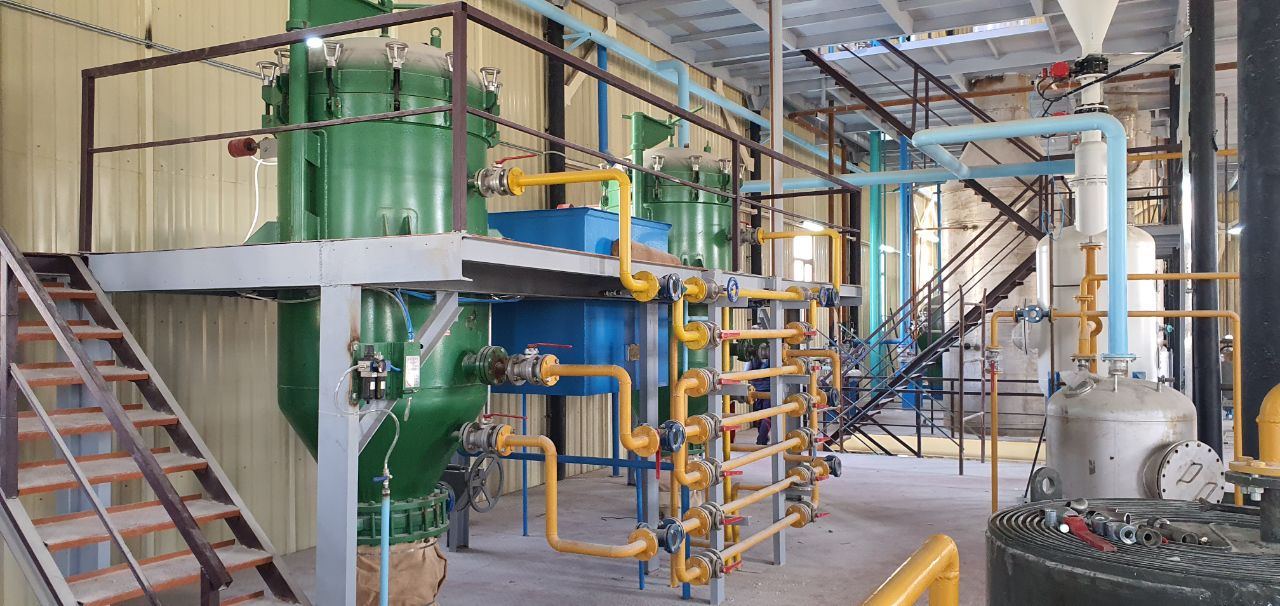
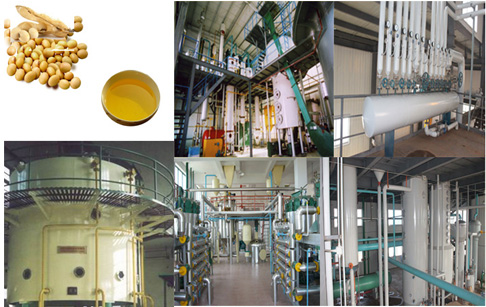
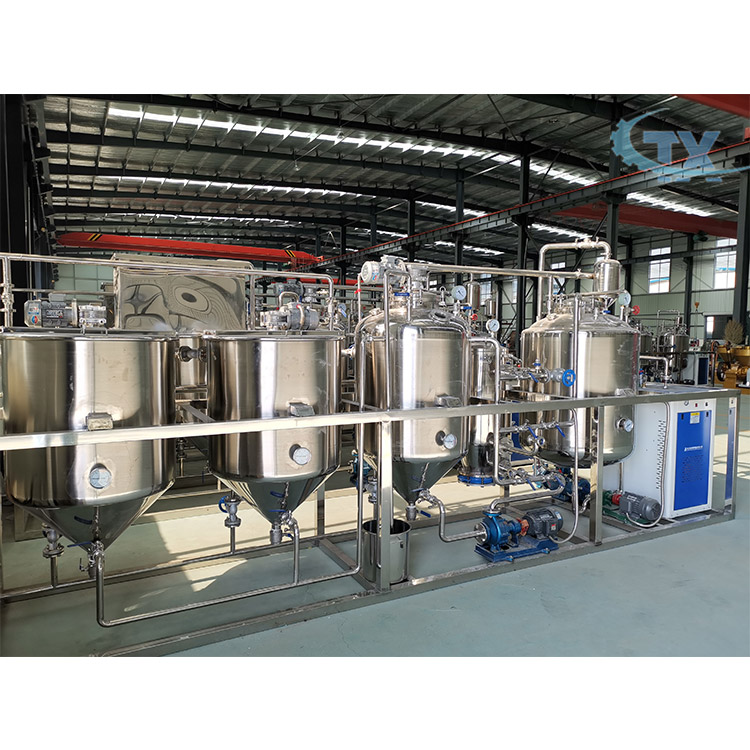
Selecting the right soybean oil production equipment is crucial for optimizing yield, ensuring process efficiency, and achieving sustainable profitability. As global demand for high-quality soybean oil grows, producers face the challenge of evaluating complex technical parameters and matching equipment to specific production goals. This guide from Penguin Group presents a systematic approach to equipment selection by dissecting vital performance indicators and aligning them with real-world operational conditions.
The foundation of any soybean oil equipment selection process lies in understanding key machine capabilities. Four fundamental parameters influence output quality and operational efficiency:
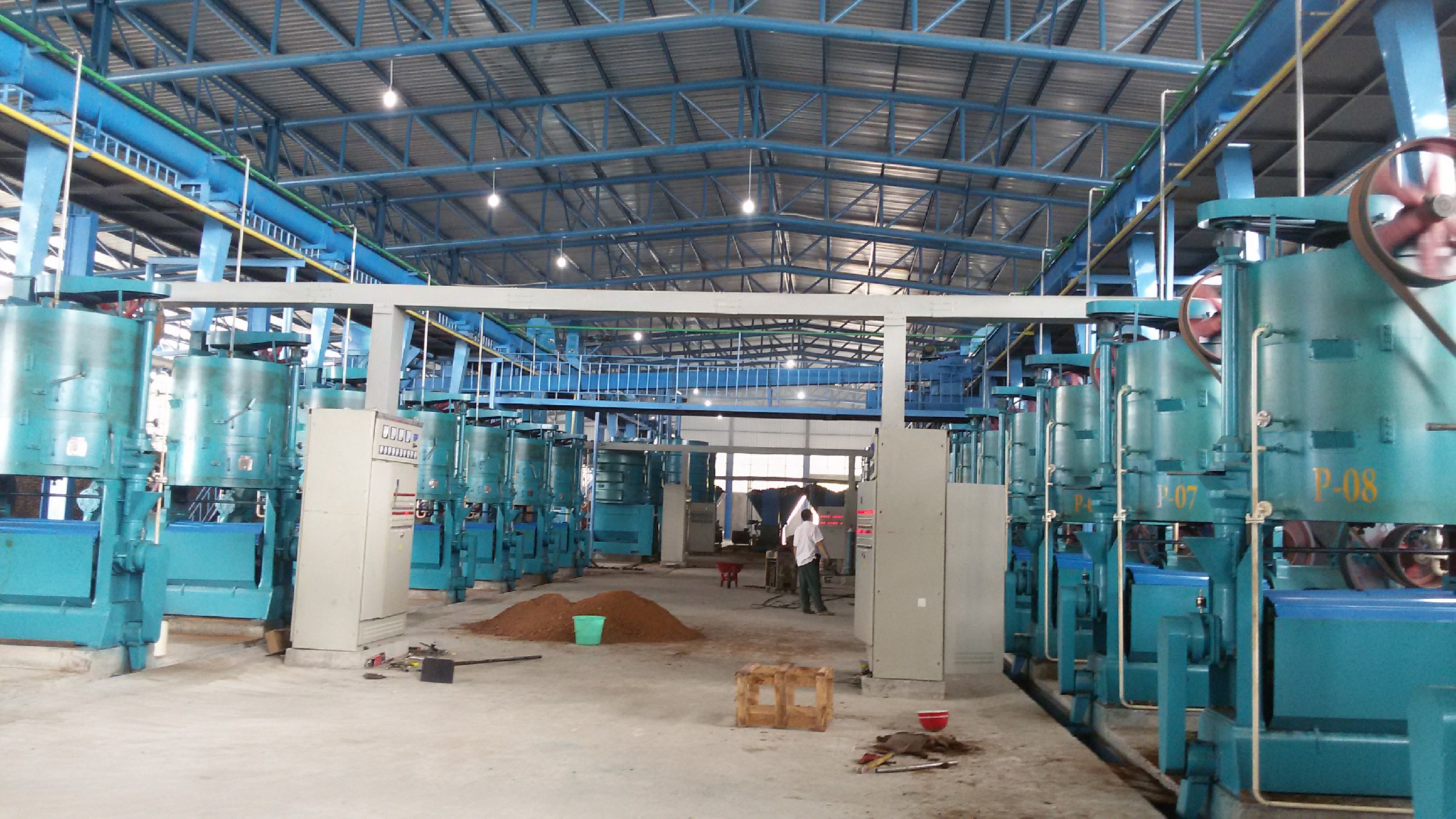
Different equipment models present varying capabilities in executing the aforementioned parameters. For example, large-scale continuous cleaners boast a cleaning capacity 30% higher than batch units, reducing downtime and raw material wastage. Similarly, advanced roller mills with synchronized speed control achieve grinding precision improvements by up to 15%, which directly correlates with higher oil yields.
Heating uniformity can fluctuate +/- 5°C between older coil-based systems and modern steam jacket technologies, affecting oil fluidity and nutrient retention. Pressing equipment offering adjustable pressure settings adapts better to soybean varietal differences, supporting yield improvements of 8-12% according to recent production records.
It is vital to consider raw material quality—such as impurity ratios (ideally under 3%) and moisture content (optimal range 10-12%)—when matching equipment specifications. High impurity levels diminish effective throughput and raise wear rates on mechanical parts, while moisture deviations can impair fermentation and oil separation phases.
Moreover, small batch producers (below 2 tons/day) often benefit from more flexible, modular equipment emphasizing ease of cleaning and minimal changeover times. In contrast, industrial-scale operations exceeding 20 tons/day prioritize robustness, automation capacity, and energy efficiency, justifying higher capital investment.
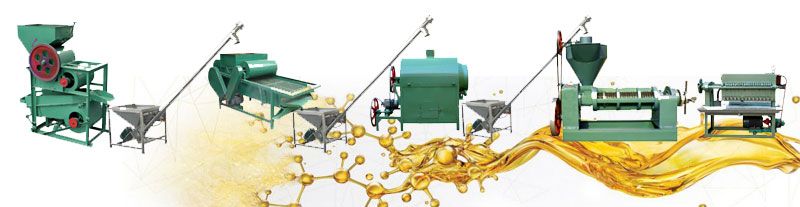
To mitigate risk and maximize ROI, companies should apply a structured evaluation method encompassing the following steps:
Typical purchase errors include underestimating the impact of raw material inconsistencies, neglecting equipment flexibility for scaling needs, and overlooking maintenance complexities that escalate downtime. Expert advice encourages focusing on adaptability and supplier service reputation rather than purely upfront costs.
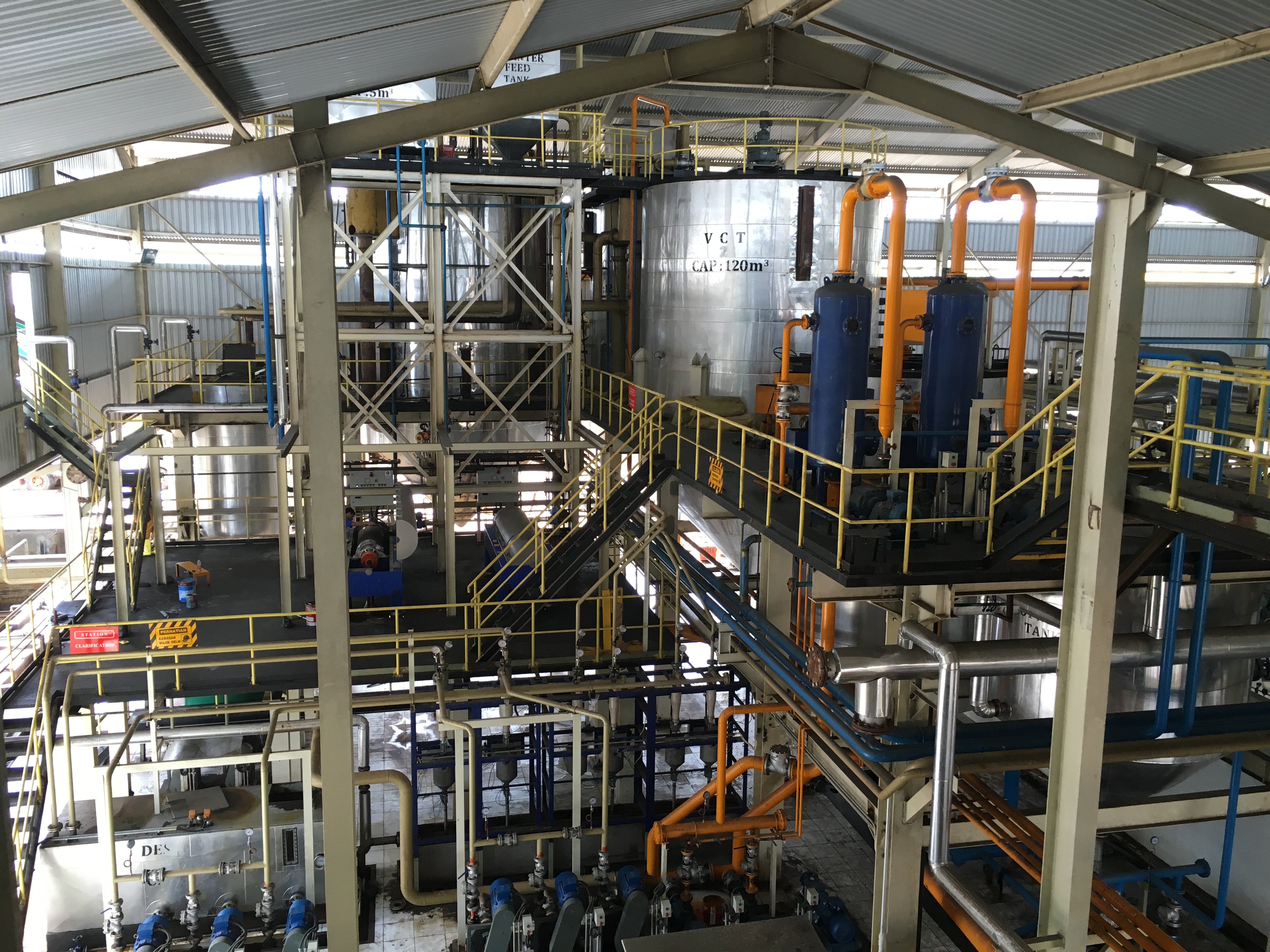
Penguin Group’s industry specialists recommend integrating digital monitoring solutions that provide real-time parameter tracking—a strategic investment proving to enhance troubleshooting efficiency and throughput stability by over 20%. Such technological integration complements traditional equipment metrics to future-proof production.
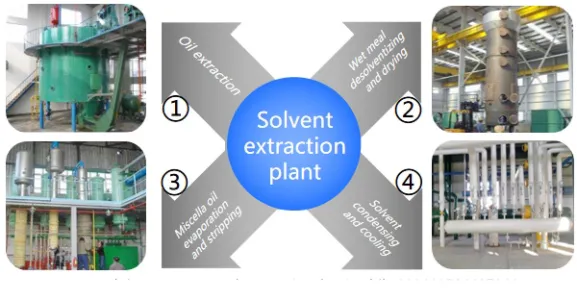
 295
|
295
|
 soybean solvent extraction
high oil in soybean meal
extraction process troubleshooting
soybean processing optimization
solvent extraction efficiency
soybean solvent extraction
high oil in soybean meal
extraction process troubleshooting
soybean processing optimization
solvent extraction efficiency
 187
|
soybean oil extraction rate
desolventizing equipment optimization
solvent residue control
soybean meal quality improvement
oil processing technology
187
|
soybean oil extraction rate
desolventizing equipment optimization
solvent residue control
soybean meal quality improvement
oil processing technology
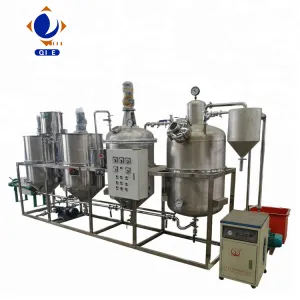 71
|
Soybean oil refining process
Edible oil shelf life extension
Refining equipment selection
Free fatty acid removal
Oil oxidation control
71
|
Soybean oil refining process
Edible oil shelf life extension
Refining equipment selection
Free fatty acid removal
Oil oxidation control
 481
|
soybean oil refining machine
refining equipment maintenance
soybean oil processing guide
oil refining system types
industrial oil refining solutions
59
|
Soybean oil refining machine
Refining machine selection
Soybean oil processing guide
Refining equipment maintenance
Oil processing equipment
481
|
soybean oil refining machine
refining equipment maintenance
soybean oil processing guide
oil refining system types
industrial oil refining solutions
59
|
Soybean oil refining machine
Refining machine selection
Soybean oil processing guide
Refining equipment maintenance
Oil processing equipment