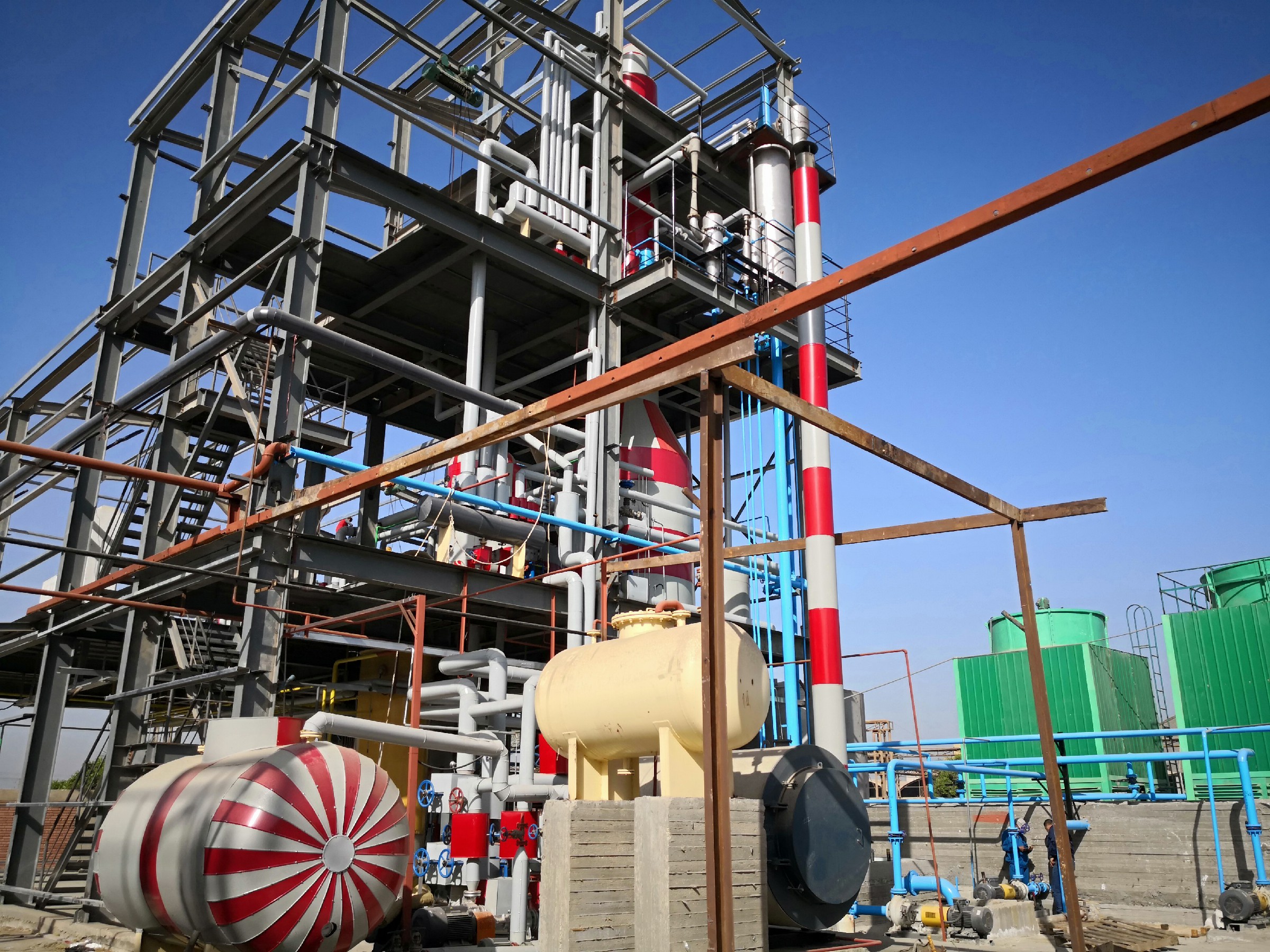
For small to mid-sized oil mills and agricultural processors, maximizing both oil yield and protein value from soybeans is no longer optional—it’s essential for competitiveness in global markets. The key lies in mastering mechanical pressing technology, a process that has evolved far beyond simple squeezing into a precision-driven operation.
The journey begins with raw soybeans entering the system. Proper pre-treatment—cleaning, dehulling, and flaking—is critical. Studies show that removing even 5% of foreign matter can improve oil extraction efficiency by up to 3%. Once prepared, beans are fed into the press at controlled temperatures (typically 70–90°C) and pressures (15–25 MPa), depending on the desired outcome.
| Parameter | Recommended Range | Impact on Outcome |
|---|---|---|
| Press Temperature | 70–90°C | Higher temps increase oil flow but may reduce protein solubility |
| Pressure | 15–25 MPa | Optimal pressure maximizes oil recovery while preserving protein structure |
| Moisture Content | 6–8% | Ideal moisture ensures efficient pressing without fiber damage |
A real-world example from a Thai processing plant illustrates this: after optimizing their press temperature from 65°C to 82°C and adjusting feed rate based on bean size distribution, they saw a 6% increase in crude oil yield and a 5% rise in protein content in the cake—from 42% to 44.1%, per AOAC standards.
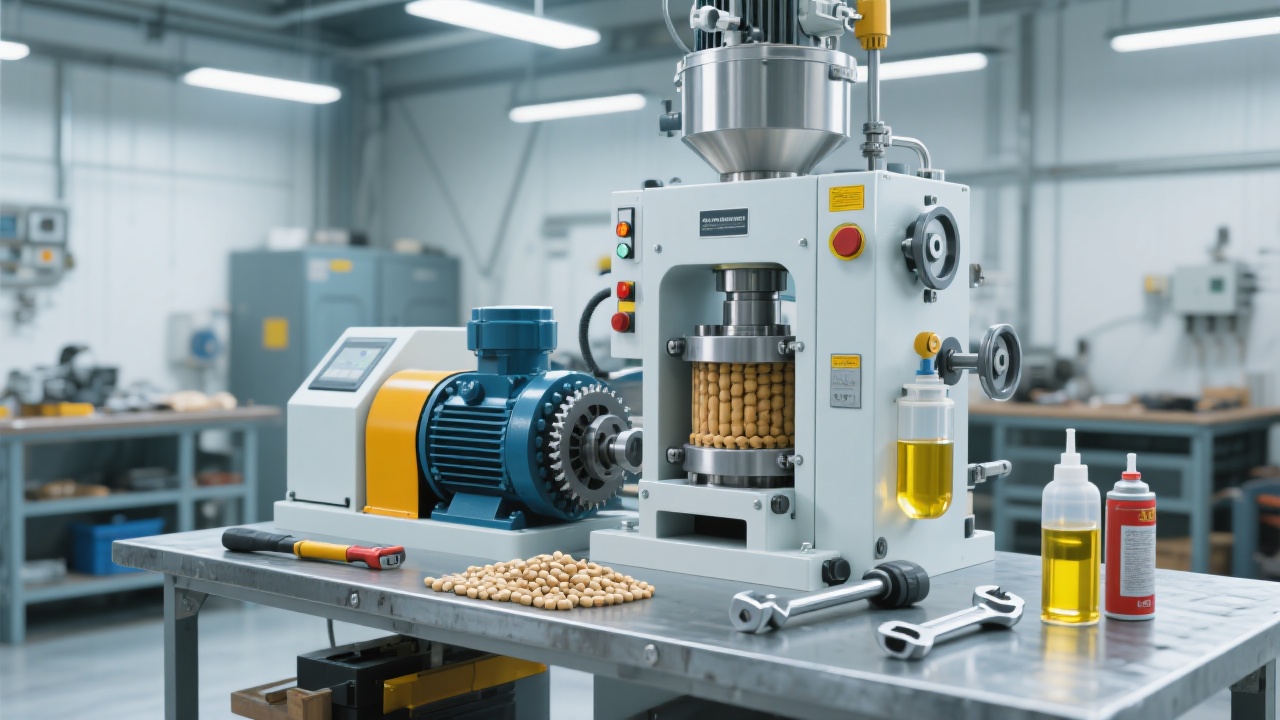
In today’s market, buyers aren’t just looking for oil—they want value-added byproducts. A higher-protein cake (above 44%) commands premium pricing in animal feed and aquaculture sectors, especially in Europe and the Middle East where sustainability and nutrition are top priorities.
Moreover, optimized pressing reduces thermal degradation of oil compounds like tocopherols and phospholipids, resulting in better oxidative stability—critical for export compliance with EU and US FDA standards.
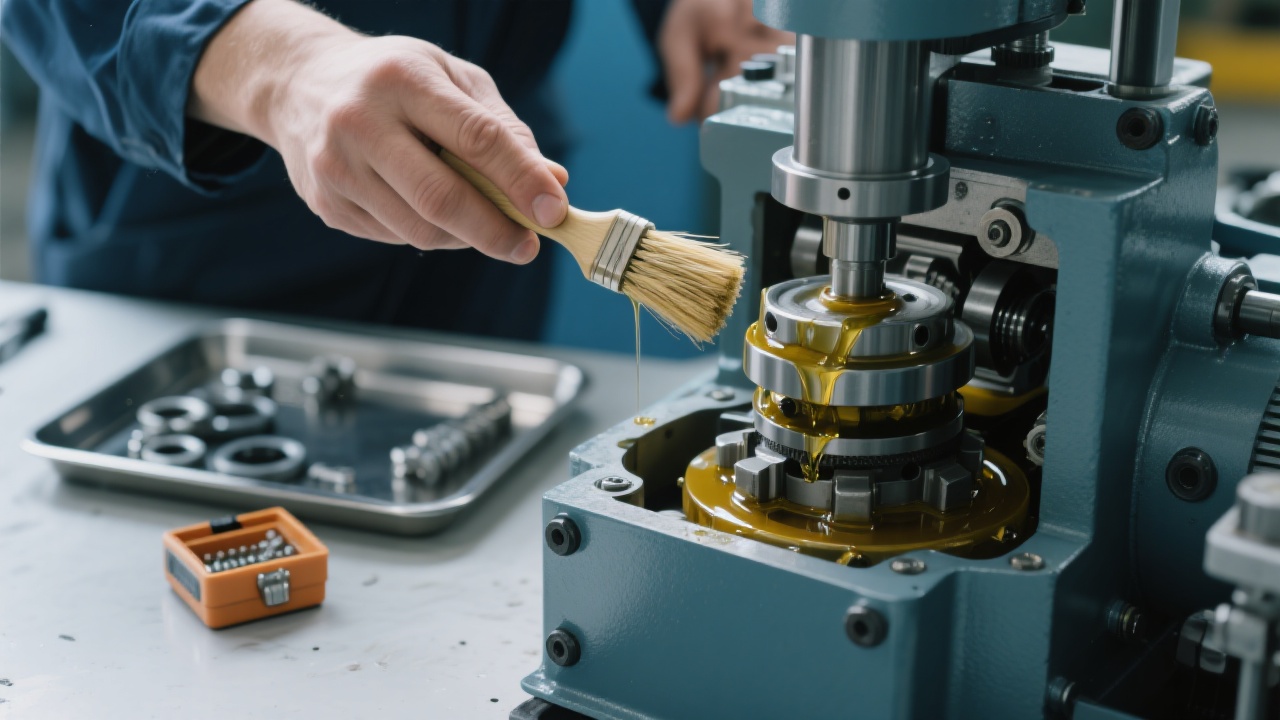
Many operators underestimate how much variability exists within a single batch of soybeans—especially when sourcing from multiple regions. Implementing real-time moisture sensors and adaptive pressure control systems can reduce inconsistency by over 30%, according to a 2023 study published in the Journal of Food Engineering.
If you’re ready to move beyond basic operations and start extracting maximum value from every ton of soybeans, it's time to explore advanced mechanical pressing configurations tailored to your production scale and goals.
Download Our Free Technical Guide on Press Optimization Parameters