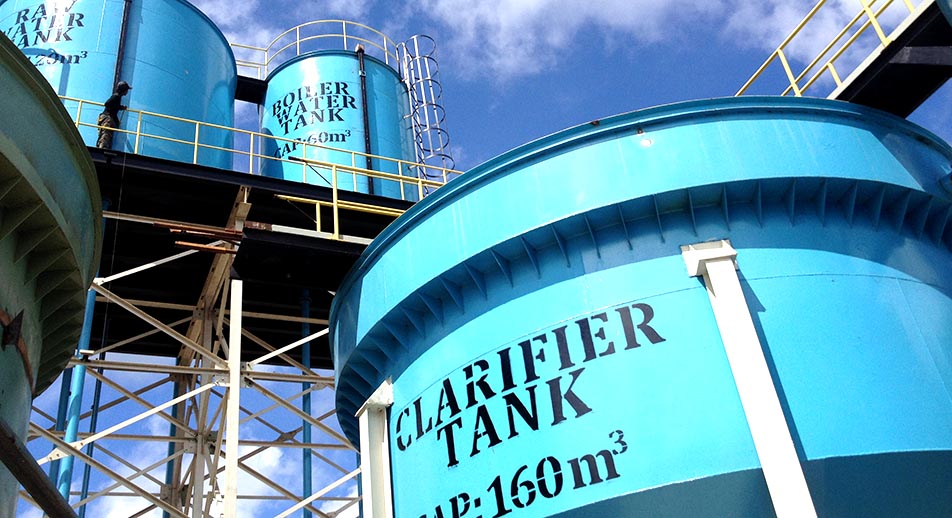
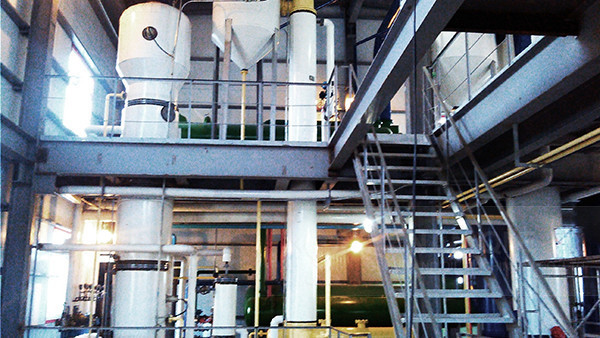
For exporters aiming to meet international food safety standards—especially those targeting EU, US, or GCC markets—the choice of refining equipment isn’t just about efficiency. It’s a strategic decision that impacts product quality, regulatory compliance, and long-term brand trust.
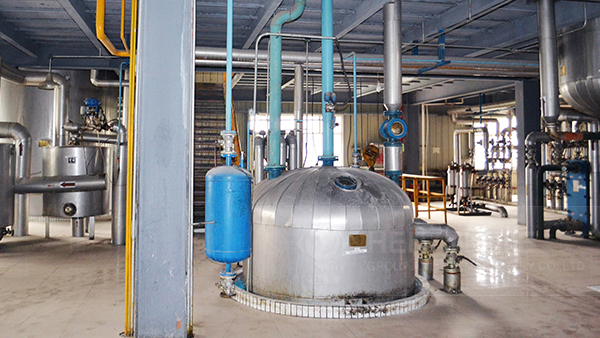
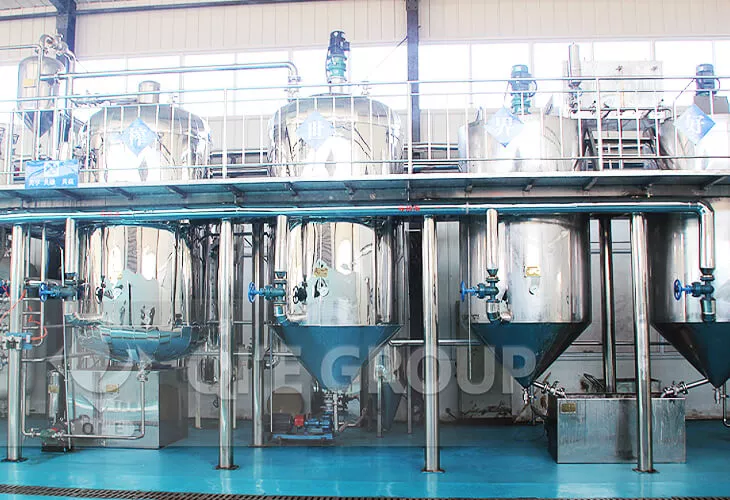
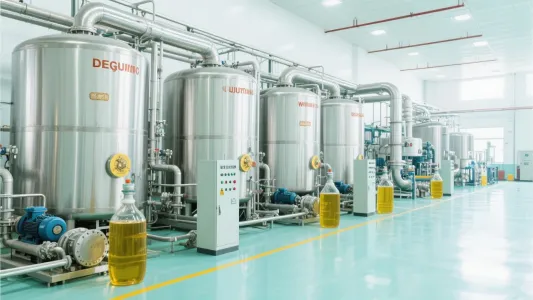
Soybean oil refining involves four critical steps: degumming (removing phospholipids), neutralization (eliminating free fatty acids), bleaching (improving color), and deodorization (removing odors and volatile compounds). Each stage must be precisely controlled—not only for taste and shelf life but also to avoid contaminants like residual solvents or heavy metals.
A well-designed system ensures consistent output with minimal waste. For example, improper pH control during neutralization can lead to up to 8% yield loss—a significant cost in bulk production.
| System Type | Capacity Range (kg/h) | Automation Level | Energy Efficiency |
|---|---|---|---|
| Batch | 50–500 | Low | Moderate (baseline) |
| Semi-Continuous | 500–2,000 | Medium | +10% better than batch |
| Continuous | 2,000–10,000+ | High | Up to 15% lower energy use |
The data shows that while batch systems suit startups or niche producers, continuous refineries offer superior scalability and sustainability—key factors for meeting HACCP and ISO 22000 requirements in global trade.
These aren’t just technical details—they’re compliance checkpoints. A single deviation could delay export clearance or trigger rejection at port inspection.
Real-world impact: One Indonesian exporter upgraded from semi-continuous to fully continuous refining. Within six months, their refined oil quality improved from 92% to 98% consistency, reducing rework and increasing export orders by 30%.
Today’s buyers—from European supermarkets to Middle Eastern food service providers—expect eco-conscious manufacturing. Equipment with heat recovery units, closed-loop water systems, and low-emission designs are becoming standard, not premium features.
If your current setup lacks these capabilities, it may already be limiting your access to high-value markets—even if your product meets basic safety standards.

 261
|
261
|
 soybean oil extraction process
types of oil extraction machines
industrial oil production solutions
soybean oil extraction process
types of oil extraction machines
industrial oil production solutions
 441
|
customized oilseed preprocessing equipment
plant oil production line solutions
diverse oilseed processing capabilities
441
|
customized oilseed preprocessing equipment
plant oil production line solutions
diverse oilseed processing capabilities
 104
|
Soybean Oil Extractor
Soybean Oil Press Machine
Mechanical Soybean Oil Extractor
Solvent Soybean Oil Extractor
Edible Soybean Oil Production
Industrial Soybean Oil Extractors
Compact Soybean Oil Extractor
Energy Efficient Soybean Oil Machine
Soybean Oil Extraction Technology
Versatile Soybean Oil Processing
214
|
custom oilseed processing solutions
advanced oilseed equipment
high investment returns in oil processing
104
|
Soybean Oil Extractor
Soybean Oil Press Machine
Mechanical Soybean Oil Extractor
Solvent Soybean Oil Extractor
Edible Soybean Oil Production
Industrial Soybean Oil Extractors
Compact Soybean Oil Extractor
Energy Efficient Soybean Oil Machine
Soybean Oil Extraction Technology
Versatile Soybean Oil Processing
214
|
custom oilseed processing solutions
advanced oilseed equipment
high investment returns in oil processing
 225
|
["multi-functional oil seed processing equipment"
"customizable soybean oil plant"
"oilseed extraction system"
"versatile oil production line"
"high-efficiency oil processing technology"]
225
|
["multi-functional oil seed processing equipment"
"customizable soybean oil plant"
"oilseed extraction system"
"versatile oil production line"
"high-efficiency oil processing technology"]