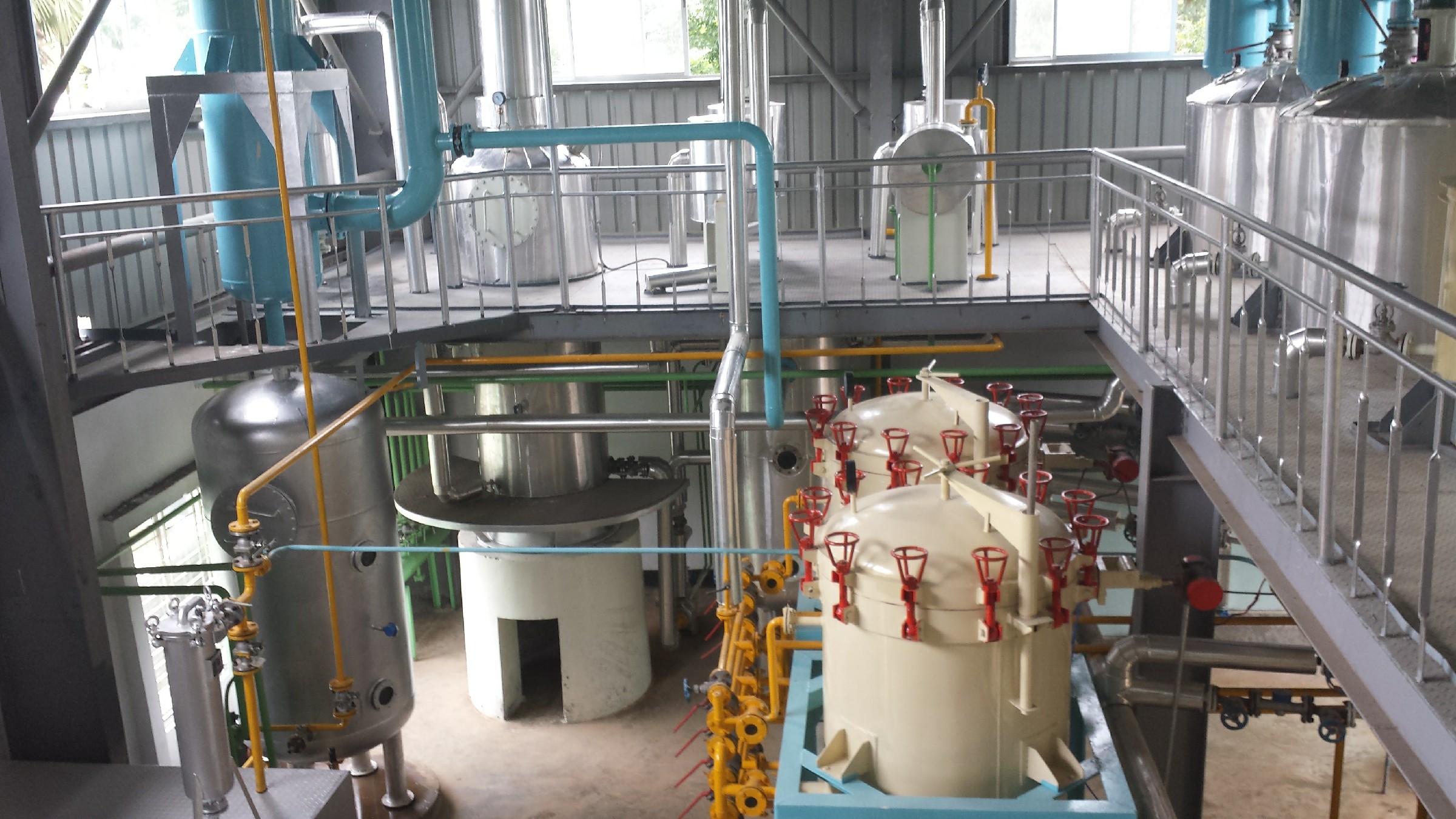
When exporting edible oils, quality isn’t just a feature—it’s your passport to international markets. Crude soybean oil may look clear, but it contains impurities like free fatty acids (FFA), phospholipids, and pigments that can compromise shelf life, taste, and regulatory compliance. That’s why refining isn’t optional—it’s essential.
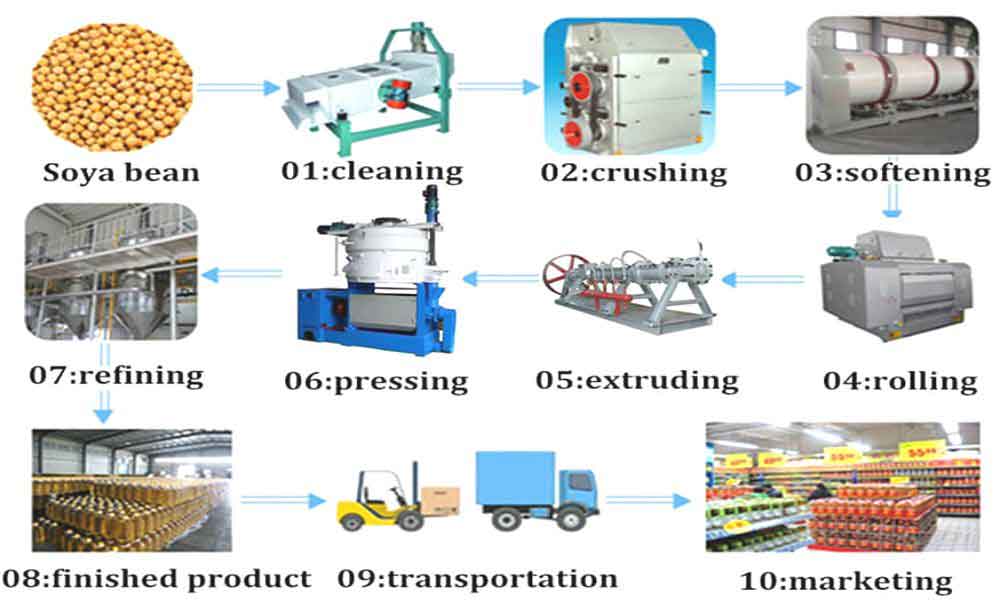
A modern refining process typically includes:
Each step must be precisely controlled—not only for yield, but also to meet global standards such as ISO 29167 or Codex Alimentarius for food-grade oils.
| System Type | Capacity Range | Automation Level | Energy Efficiency |
|---|---|---|---|
| Batch | 500–2,000 kg/h | Manual/semi-auto | Low (≈30% less efficient) |
| Semi-Continuous | 2,000–5,000 kg/h | Moderate automation | Medium (≈15% better than batch) |
| Continuous | 5,000–15,000 kg/h | Highly automated | High (up to 25% energy savings) |
“According to AOCS method Cd 2c-85, refined soybean oil should have an acid value ≤ 0.5 mg KOH/g and a smoke point ≥ 230°C.” — American Oil Chemists’ Society
A mid-sized exporter in Vietnam upgraded from batch to continuous refining in 2023. Within six months:
Modern refineries must comply with local environmental regulations—especially regarding wastewater treatment (oil content < 5 ppm) and VOC emissions during deodorization. Proper ventilation, closed-loop systems, and regular maintenance are no longer best practices—they’re mandatory for export certification.
Get our free Equipment Selection Guide tailored to your production scale and export goals.
Download Now – No Email Required
 485
|
485
|
 Soya Oil Refining Process
Soybean Oil Press Machine
refined soya oil production
oil purification techniques
edible soybean oil
degumming process for soya oil
neutralization in oil refining
bleaching of soybean oil
deodorization of soya oil
winterization of edible oils
Soya Oil Refining Process
Soybean Oil Press Machine
refined soya oil production
oil purification techniques
edible soybean oil
degumming process for soya oil
neutralization in oil refining
bleaching of soybean oil
deodorization of soya oil
winterization of edible oils
 421
|
Energy - saving and environment - friendly soybean oil pressing equipment
Modern soybean oil mill advantages
Green and efficient oil mill technology
Improvement of soybean oil extraction rate
Food - grade oil quality control
421
|
Energy - saving and environment - friendly soybean oil pressing equipment
Modern soybean oil mill advantages
Green and efficient oil mill technology
Improvement of soybean oil extraction rate
Food - grade oil quality control
 167
|
soybean oil refining process
de-gumming technology in oil processing
neutralization pH control
bleaching equipment for edible oils
deodorization methods in vegetable oil refining
167
|
soybean oil refining process
de-gumming technology in oil processing
neutralization pH control
bleaching equipment for edible oils
deodorization methods in vegetable oil refining
 385
|
Soyabean Refined Oil Making Machine
Soybean Oil Press Machine
Batch Oil Refinery Machine
Continuous Oil Refinery Machine
Semi-Automatic Refinery Machine
Mini Oil Refinery Machine
Refined Soybean Oil Production
Soybean Oil Refining Equipment
Vegetable Oil Refining Technology
High-Quality Refined Oil
385
|
Soyabean Refined Oil Making Machine
Soybean Oil Press Machine
Batch Oil Refinery Machine
Continuous Oil Refinery Machine
Semi-Automatic Refinery Machine
Mini Oil Refinery Machine
Refined Soybean Oil Production
Soybean Oil Refining Equipment
Vegetable Oil Refining Technology
High-Quality Refined Oil
 212
|
soybean oil processing technology
soybean oil refining process
solvent extraction vs mechanical pressing
oil yield optimization in soybean processing
bean cake utilization in oilseed processing
212
|
soybean oil processing technology
soybean oil refining process
solvent extraction vs mechanical pressing
oil yield optimization in soybean processing
bean cake utilization in oilseed processing







.jpg)