https://shmuker.oss-cn-hangzhou.aliyuncs.com/data/oss/65b068c3c2e9735675cac322/65b46cb67cfeb5177346777c/20240426173741/未标题-1_画板%201.png

Key Maintenance Practices and Common Troubleshooting for Soybean Oil Refining Equipment to Extend Service Life
2025-12-23
QI ' E Group
Technical knowledge
This article provides an in-depth overview of essential maintenance practices and common troubleshooting methods for soybean oil refining machinery, covering batch, semi-continuous, and continuous refining systems. It offers guidance on selecting suitable equipment based on daily capacity, automation levels, and investment budgets for different production scales, helping users achieve efficient and stable processing workflows. Practical tips for installation, operational maintenance, and fault diagnosis are analyzed to enhance equipment longevity and improve production efficiency. By integrating industry challenges and real-world case studies, the article serves as a valuable resource for startups and professional oil processing manufacturers aiming to elevate their equipment management standards.
https://shmuker.oss-accelerate.aliyuncs.com/data/oss/common/20240703104529/20240703/74a913f1d760480f0dd0a2fb57ec30ff.jpg

Essential Maintenance Tips and Common Troubleshooting for Soybean Oil Refining Equipment

Optimizing soybean oil refining equipment management is paramount to ensuring long-term operational stability and maximizing production efficiency. This article delves into the key maintenance practices and troubleshooting techniques tailored for batch, semi-continuous, and continuous soybean oil refining systems. It aims to guide manufacturers—from startups to established processors—in scientifically selecting, installing, and maintaining refining equipment that aligns with their production scale, automation aspirations, and capital investment.

Choosing the Right Refining System According to Production Needs

The decision between batch, semi-continuous, and continuous refining systems depends heavily on daily throughput, automation demands, and budget constraints:

  • Batch Systems: Ideal for small to medium scale operations producing below 5 tons/day. Offers flexibility but with lower automation and higher labor intensity.
  • Semi-Continuous Systems: Suitable for medium-scale manufacturers targeting 5-20 tons/day. Balances automation and cost, providing improved consistency and reduced manual intervention.
  • Continuous Systems: Designed for large-scale plants exceeding 20 tons/day. Features high automation levels, stable processing parameters, and long-term operational efficiency.

Decision-making should incorporate not just current production volume but also future scaling capabilities, available workforce, and integration with existing production lines.

Installation: Setting the Foundation for Reliable Operation

Professional installation is critical to achieve optimal equipment lifespan. Key installation considerations include:

  • Foundation and Leveling: Use reinforced concrete bases to avoid vibration and misalignment, ensuring accurate mechanical functioning.
  • Environmental Controls: Maintain stable ambient temperatures around 20-25°C and humidity below 60%, reducing corrosion risks.
  • Electrical and Piping: Confirm compliance with international safety standards (IEC or ANSI), using high-quality wiring and corrosion-resistant piping.
  • Calibration: Perform pre-startup calibration of temperature, pressure, and flow sensors to guarantee precise process control.

Periodic Maintenance Practices to Prolong Equipment Life

Routine maintenance significantly reduces downtime and enhances refining consistency. Recommended intervals and activities include:

Interval Maintenance Activity
Daily Inspect sealing gaskets, lubricate moving parts, check for abnormal noises or vibrations.
Weekly Clean filters, verify sensor calibrations, test emergency stops and control panels.
Monthly Inspect heat exchangers for fouling, check hydraulic systems, tighten bolts and electrical connectors.
Annually Complete system overhaul, replace worn parts, update software/firmware controlling automation.

A maintenance logbook is highly recommended to track activities and pre-emptively identify trends signaling upcoming failures.

Common Troubleshooting Issues and Effective Solutions

Understanding typical faults enables quick rectification to avoid costly production interruptions. Frequent issues include:

  • Heating Inconsistencies: Often caused by clogged heat exchangers or faulty temperature sensors. Solution: Clean exchangers, recalibrate or replace sensors.
  • Pressure Fluctuations: Linked to pump malfunction or valving problems. Solution: Inspect pump seals, clean or replace valves, and verify system pressure settings daily.
  • Oil Quality Degradation: May result from incomplete degumming or neutralization. Solution: Adjust processing parameters or replace catalysts as per equipment guidelines.
  • Automation Errors: Software glitches or sensor miscommunications. Solution: Perform regular software updates and diagnostic scans; reinstall control modules if necessary.

Implementing predictive maintenance through sensor data analytics can reduce unexpected failures by up to 30% in medium to large facilities.

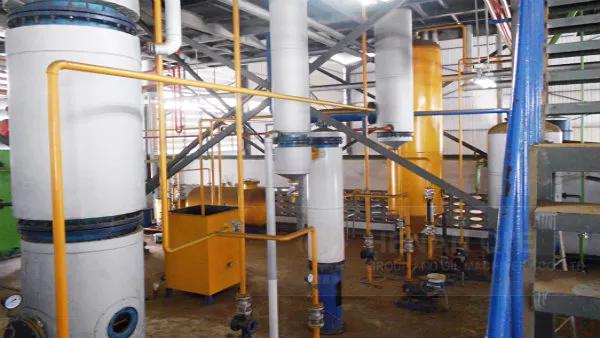
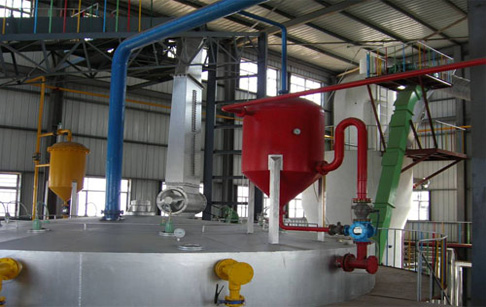
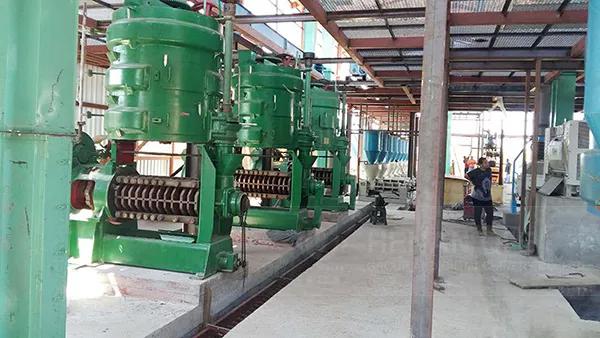
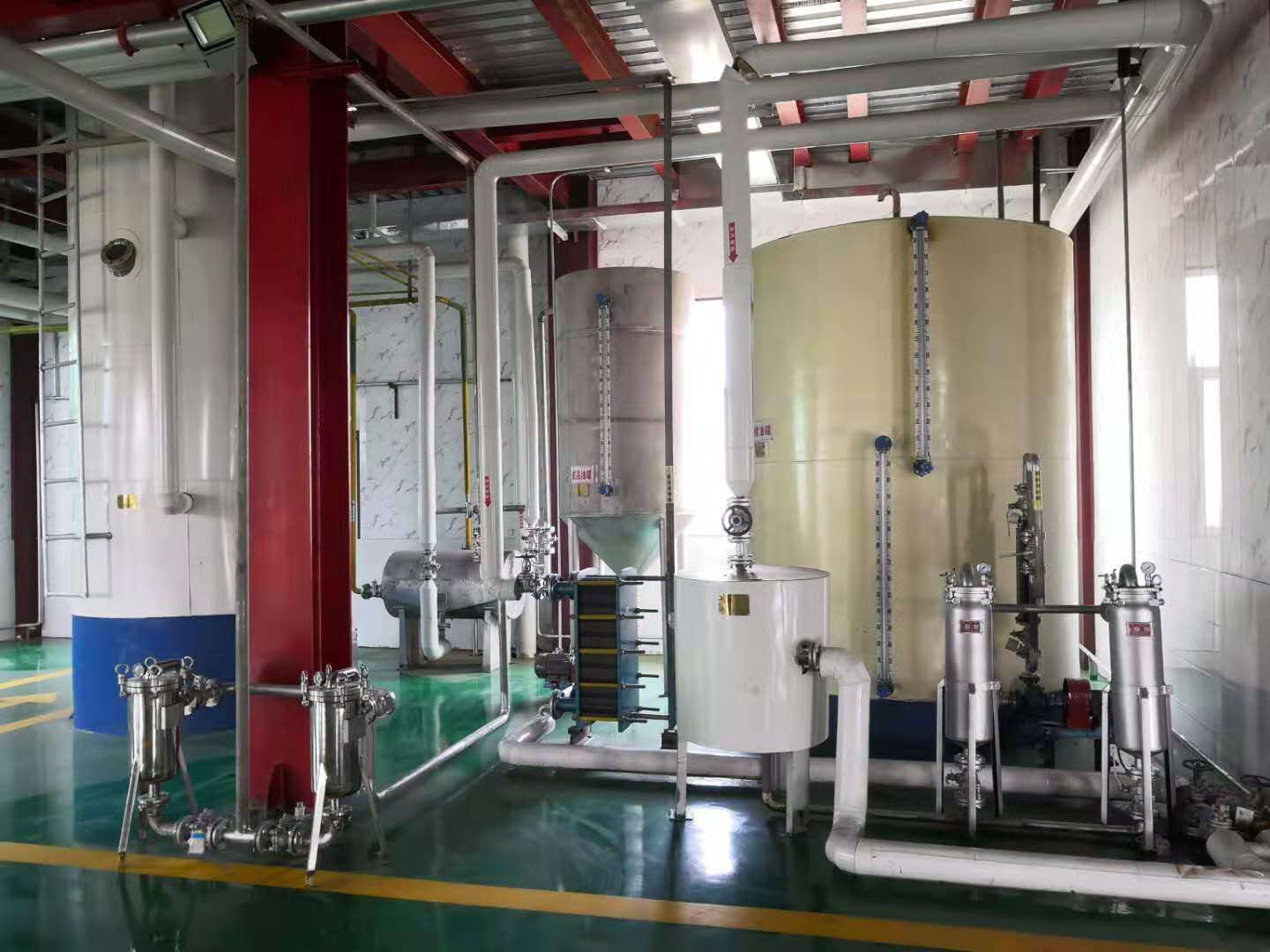
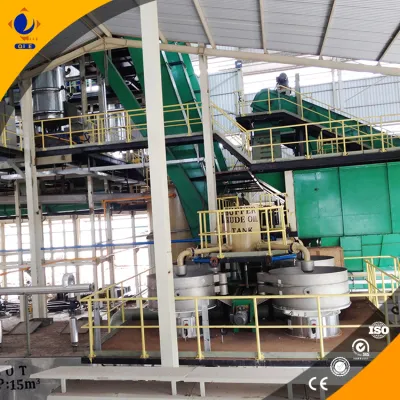
Soybean oil refining process schematic showing batch and continuous systems integration

Case Studies: Addressing Common Industry Pain Points

A mid-scale manufacturer in Iowa implemented semi-continuous refining, improving yield by 12% and reducing labor costs by 18% after optimizing maintenance schedules through data-driven insights.

Meanwhile, a large processor in Brazil standardized their annual overhauls and predictive fault diagnosis mechanisms, resulting in 25% fewer unplanned shutdowns during peak season.
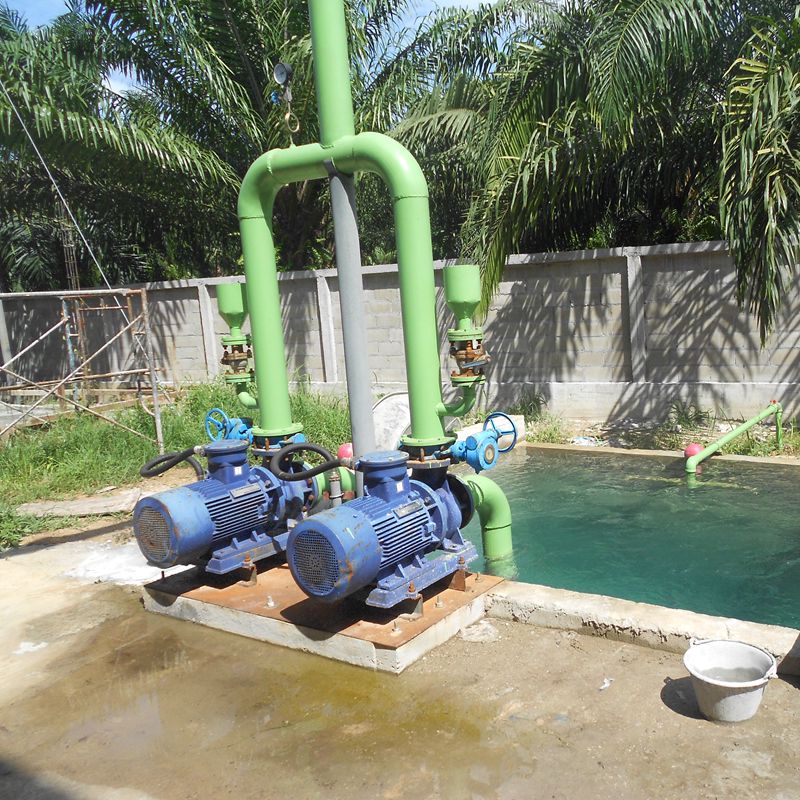
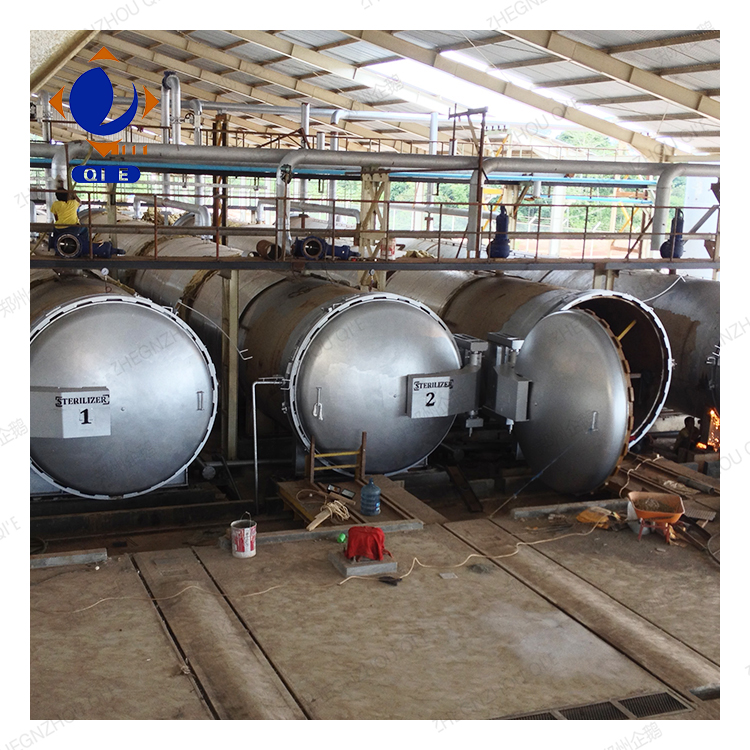
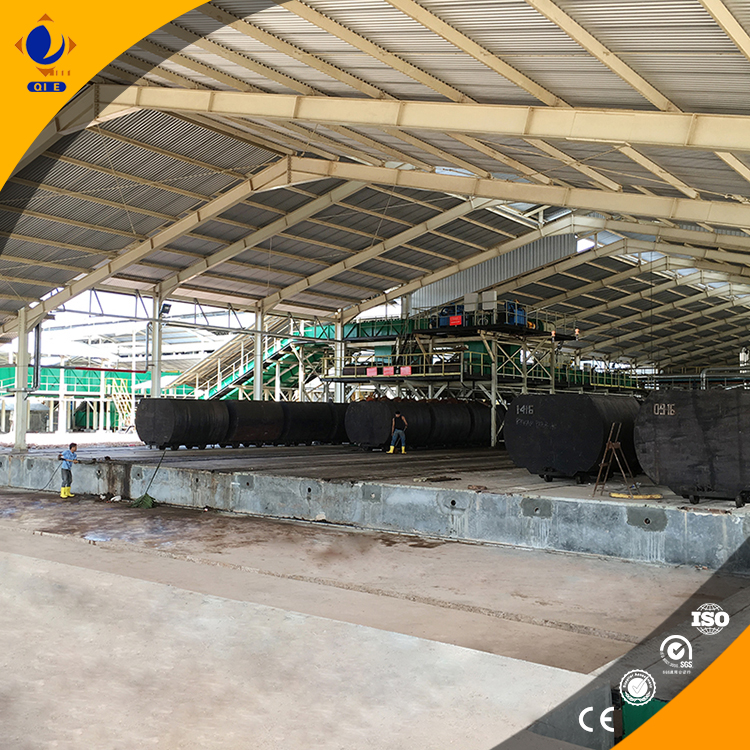
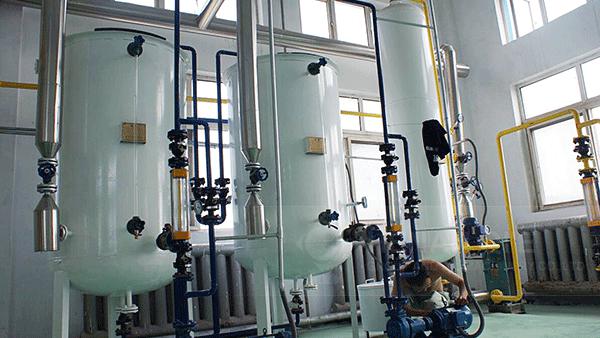
Operators performing preventive maintenance on soybean oil refining equipment in industrial plant

Interactive Q&A: Frequently Asked Questions

Q: How often should the temperature sensors in continuous refining systems be calibrated?
A: Calibration should be performed monthly to ensure accuracy, especially under fluctuating operating conditions.
Q: What are the signs of oil leakage affecting equipment performance?
A: Visible oil stains around joints, decreased oil pressure, and abnormal motor noises are common indicators.
Q: Can semi-continuous systems be automated to the same level as continuous systems?
A: While they generally offer lower automation, upgrading control modules and integrating sensors can close the gap significantly.
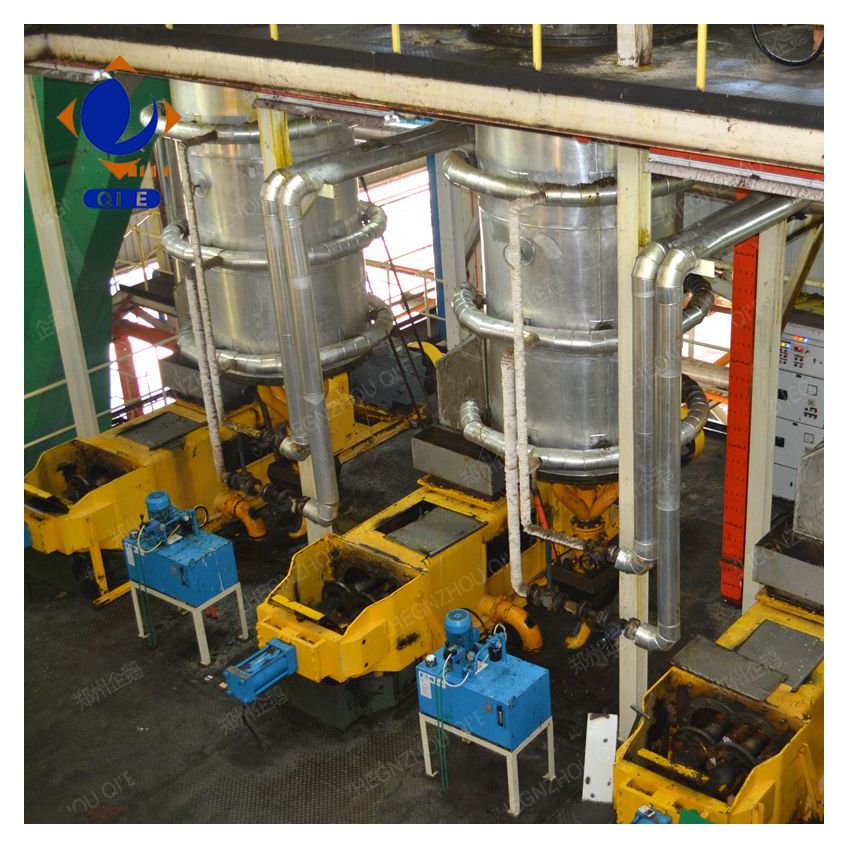
Flowchart illustrating the troubleshooting process of soybean oil refining equipment step-by-step
Recommended Products
Related Reading
https://shmuker.oss-accelerate.aliyuncs.com/data/oss/20250418/4b5cfe634788068b1fcc28f8117ef960/temp_sub_image_4_1744958936807.jpg
2025-06-08 | https://shmuker.oss-accelerate.aliyuncs.com/tmp/temporary/60ec5bd7f8d5a86c84ef79f2/60ec5bdcf8d5a86c84ef7a9a/20240305161110/eye.png 159 | https://shmuker.oss-accelerate.aliyuncs.com/tmp/temporary/60ec5bd7f8d5a86c84ef79f2/60ec5bdcf8d5a86c84ef7a9a/20240305160636/lable.png soybean oil press various models of soybean oil presses foreign trade soybean oil press
https://shmuker.oss-accelerate.aliyuncs.com/data/oss/65b068c3c2e9735675cac322/668263a4df9f6e7a1281439c/20240709145625/248%20(2).jpg
2024-09-28 | https://shmuker.oss-accelerate.aliyuncs.com/tmp/temporary/60ec5bd7f8d5a86c84ef79f2/60ec5bdcf8d5a86c84ef7a9a/20240305161110/eye.png 464 | https://shmuker.oss-accelerate.aliyuncs.com/tmp/temporary/60ec5bd7f8d5a86c84ef79f2/60ec5bdcf8d5a86c84ef7a9a/20240305160636/lable.png Soybean Oil Press South American Oils and Fats Enterprises Efficient production
https://shmuker.oss-accelerate.aliyuncs.com/data/oss/65b068c3c2e9735675cac322/65b0a486107bc6700293c9bf/20240425113825/大型螺杆榨油机-1.jpg
2025-05-26 | https://shmuker.oss-accelerate.aliyuncs.com/tmp/temporary/60ec5bd7f8d5a86c84ef79f2/60ec5bdcf8d5a86c84ef7a9a/20240305161110/eye.png 261 | https://shmuker.oss-accelerate.aliyuncs.com/tmp/temporary/60ec5bd7f8d5a86c84ef79f2/60ec5bdcf8d5a86c84ef7a9a/20240305160636/lable.png soybean oil extraction process types of oil extraction machines industrial oil production solutions

https://shmuker.oss-accelerate.aliyuncs.com/data/oss/20250704/214abf1a0b89ce994b92988a39f02c0c/e1caf7a1-52b0-4bc2-a336-7bdc34b2c178.jpeg
2025-09-01 | https://shmuker.oss-accelerate.aliyuncs.com/tmp/temporary/60ec5bd7f8d5a86c84ef79f2/60ec5bdcf8d5a86c84ef7a9a/20240305161110/eye.png 187 | https://shmuker.oss-accelerate.aliyuncs.com/tmp/temporary/60ec5bd7f8d5a86c84ef79f2/60ec5bdcf8d5a86c84ef7a9a/20240305160636/lable.png soybean oil extraction optimization flaking thickness control hulling efficiency in oilseed processing oil yield improvement techniques soybean pre-treatment methods
https://shmuker.oss-accelerate.aliyuncs.com/data/oss/common/20240703143830/20240703/dc90313aa46f70df2e5440783fa52dab.jpg
2025-05-24 | https://shmuker.oss-accelerate.aliyuncs.com/tmp/temporary/60ec5bd7f8d5a86c84ef79f2/60ec5bdcf8d5a86c84ef7a9a/20240305161110/eye.png 214 | https://shmuker.oss-accelerate.aliyuncs.com/tmp/temporary/60ec5bd7f8d5a86c84ef79f2/60ec5bdcf8d5a86c84ef7a9a/20240305160636/lable.png custom oilseed processing solutions advanced oilseed equipment high investment returns in oil processing
Hot Products
Popular articles
Recommended Reading
Contact us
Contact us
https://shmuker.oss-cn-hangzhou.aliyuncs.com/tmp/temporary/60ec5bd7f8d5a86c84ef79f2/60ec5bdcf8d5a86c84ef7a9a/thumb-prev.png