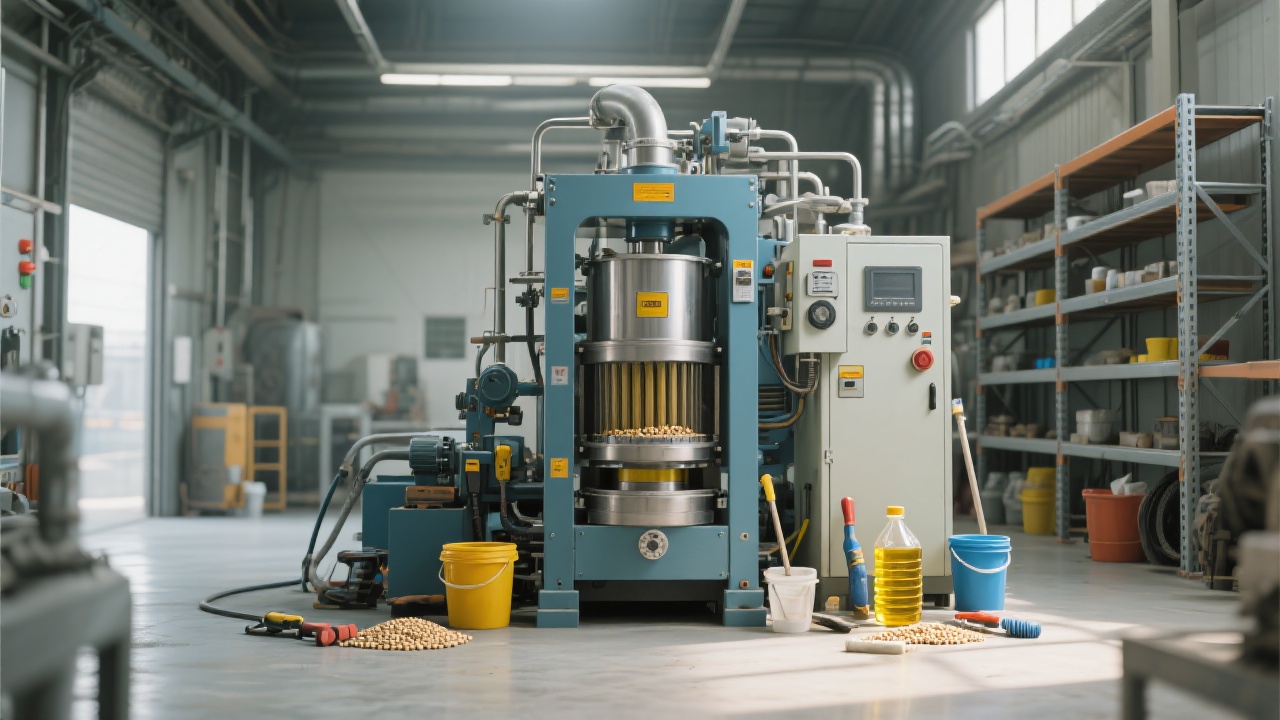
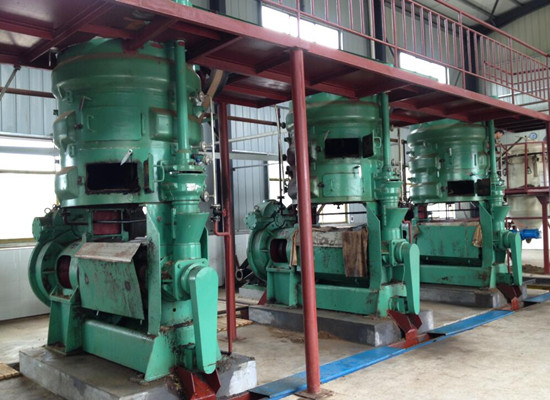
For soybean oil processors—whether startups or established manufacturers—the choice of refining equipment directly impacts efficiency, consistency, and long-term profitability. In this in-depth guide, we break down how production scale, automation needs, and budget influence the selection between batch, semi-continuous, and continuous refining systems—a critical decision that shapes your operational foundation.
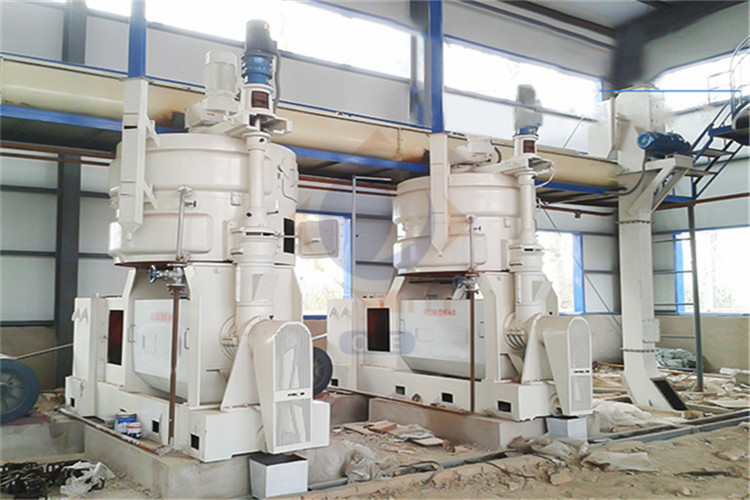
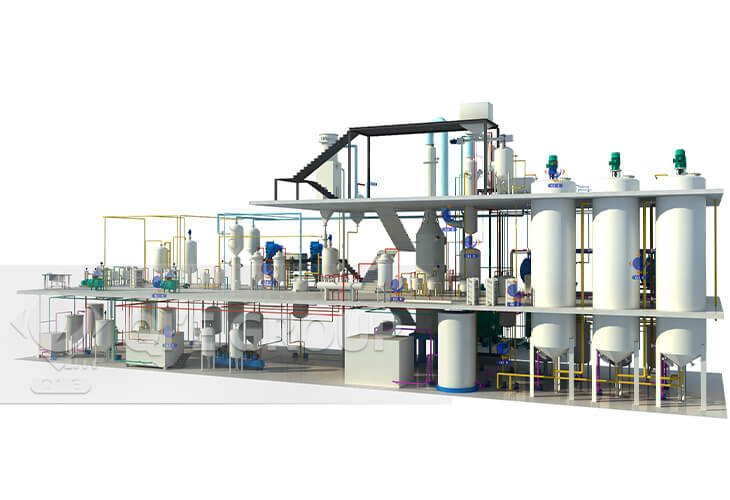
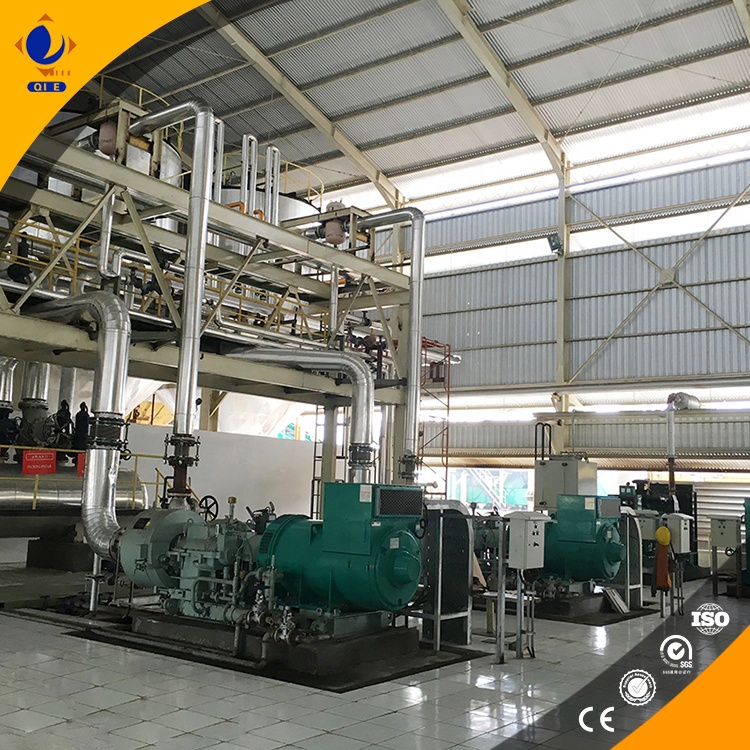
According to industry benchmarks from the International Association of Oilseed Processors (IAOP), over 70% of small-scale producers (under 5 tons/day) opt for batch refining due to lower capital investment and simpler operation. Meanwhile, mid-sized facilities (5–50 tons/day) increasingly adopt semi-continuous systems, which reduce labor intensity by up to 40% while maintaining flexibility. Large-scale operations (>50 tons/day) typically rely on fully continuous lines that maximize throughput with minimal downtime.
| System Type | Ideal Daily Output | Automation Level | Key Advantage |
|---|---|---|---|
| Batch | ≤5 tons | Low | Minimal upfront cost, easy maintenance |
| Semi-Continuous | 5–50 tons | Medium | Balanced efficiency vs. investment |
| Continuous | >50 tons | High | Maximized productivity & reduced labor costs |
"We used to run a batch system for our 3-ton-per-day facility," says Maria Chen, plant manager at a family-owned oil mill in Jiangsu. "When we upgraded to a semi-continuous setup, our yield improved by 8%, and we cut operator fatigue significantly." Her story reflects what many mid-sized producers experience: smarter automation doesn't just save time—it boosts quality control and staff satisfaction.
Regardless of system type, regular preventive maintenance is non-negotiable. The average lifespan of a well-maintained soybean oil refining unit ranges from 8 to 12 years, according to a 2023 survey by Global AgriTech Insights. Key practices include:
Q: Can I start with a batch system and upgrade later?
A: Absolutely. Many companies begin with a batch system and transition to semi-continuous as volume grows. Ensure your facility layout allows for future expansion—this is often overlooked but crucial.
Q: How much does automation affect energy consumption?
A: Automated systems can reduce energy use by up to 15% compared to manual setups, thanks to optimized heating cycles and real-time monitoring. This translates into measurable savings over time.
Q: What if I’m unsure about my daily output?
A: Start with conservative estimates based on current orders. Most suppliers offer scalable solutions—you don’t need to commit to a full-scale system right away.
Whether you're evaluating options or planning an upgrade, our team specializes in tailoring refining systems to your unique production goals. Let’s discuss how we can help you achieve higher yields, better quality, and longer equipment life.
Explore Our Soybean Oil Refining Solutions
 60
|
60
|
 soybean oil press machine
compact oil extraction solutions
industrial oil press equipment
soybean oil press machine
compact oil extraction solutions
industrial oil press equipment
 415
|
soybean oil refining process
refining equipment comparison
edible oil quality improvement
continuous refining system
soybean oil processing technology
80
|
multifunctional peanut oil refining equipment features
eco-friendly peanut oil refining solutions
suitable equipment for small oil mills
415
|
soybean oil refining process
refining equipment comparison
edible oil quality improvement
continuous refining system
soybean oil processing technology
80
|
multifunctional peanut oil refining equipment features
eco-friendly peanut oil refining solutions
suitable equipment for small oil mills
 298
|
Soya Oil Extraction Plant
Soybean Oil Press Machine
Small-Scale Soya Oil Extraction Plant
Large-Scale Soya Oil Extraction Plant
Oil Refining in Soya Oil Extraction Plant
Soya Oil Extraction Methods
Edible Soya Oil Production
Industrial Soya Oil Applications
Cost-effective Soya Oil Extraction Plant
Automated Soya Oil Extraction
298
|
Soya Oil Extraction Plant
Soybean Oil Press Machine
Small-Scale Soya Oil Extraction Plant
Large-Scale Soya Oil Extraction Plant
Oil Refining in Soya Oil Extraction Plant
Soya Oil Extraction Methods
Edible Soya Oil Production
Industrial Soya Oil Applications
Cost-effective Soya Oil Extraction Plant
Automated Soya Oil Extraction
 397
|
sustainable development
soybean oil market
eco-friendly
397
|
sustainable development
soybean oil market
eco-friendly





.jpg)