https://shmuker.oss-cn-hangzhou.aliyuncs.com/data/oss/65b068c3c2e9735675cac322/65b46cb67cfeb5177346777c/20240426173741/未标题-1_画板%201.png

Scientific Configuration of Soybean Oil Refining Equipment for Different Scale Oil Mills: Practical Selection Strategies
2025-12-20
QI ' E Group
Purchasing Decisions
This article provides a comprehensive analysis of how oil mills of varying scales can scientifically configure soybean oil refining equipment. It details the core functions and applicable scenarios of batch, semi-continuous, and continuous soybean oil refining systems. By considering daily production capacity, automation requirements, and investment budget, the article guides businesses in making informed equipment selections to achieve efficient and stable production. It also covers key points for equipment installation, maintenance practices, and common troubleshooting strategies to maximize performance and lifespan. With practical recommendations tailored to both startups and professional oil processors, this guide supports the creation of customized refining lines that meet specific production needs, enhancing brand influence and user trust while advancing the soybean oil processing industry.
https://shmuker.oss-accelerate.aliyuncs.com/data/oss/65b068c3c2e9735675cac322/668263a4df9f6e7a1281439c/20240703104123/20240703/c2f5916d31d0b304e4f7fb431fd3d2a5.jpg

How to Scientifically Configure Soybean Oil Refining Equipment for Different Scale Oil Plants

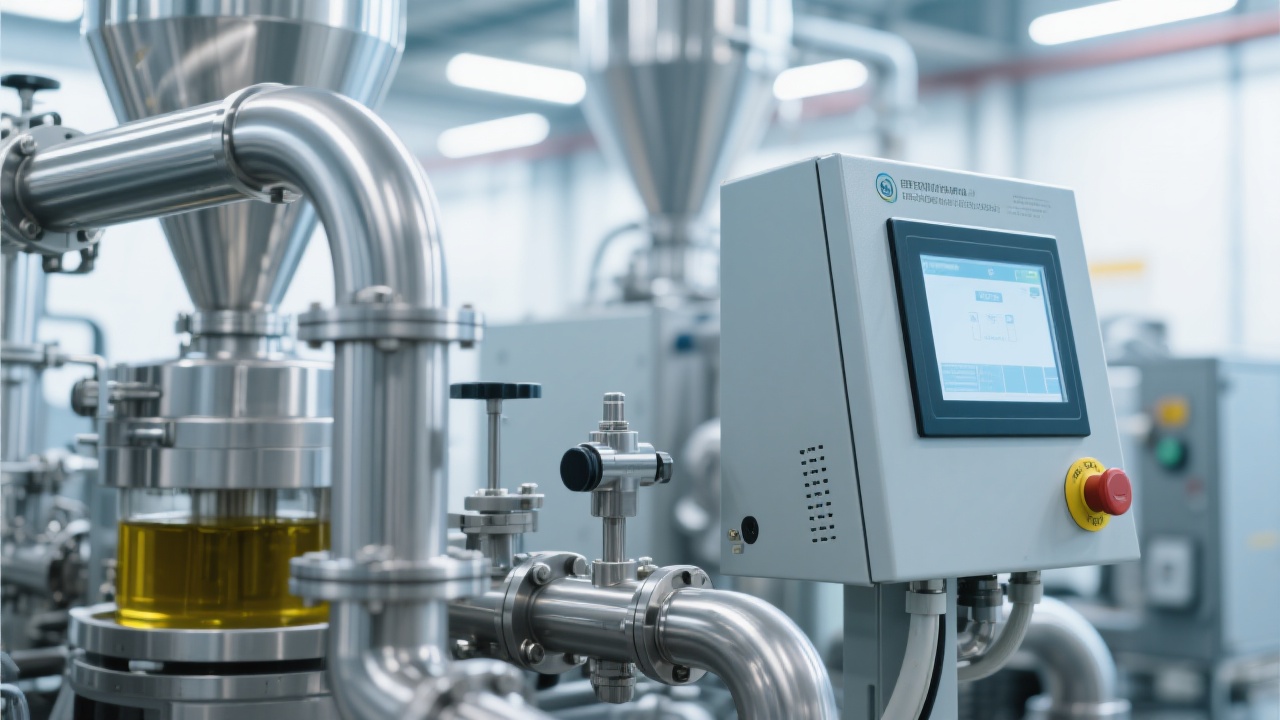
Selecting the right soybean oil refining equipment is crucial for oil plants aiming to optimize production efficiency and product quality. Whether you operate a small-scale startup or a large industrial processor, understanding the distinctions between batch, semi-continuous, and continuous refining systems helps make informed decisions blending throughput targets, automation levels, and investment budget.

Refining System Types & Their Applicability

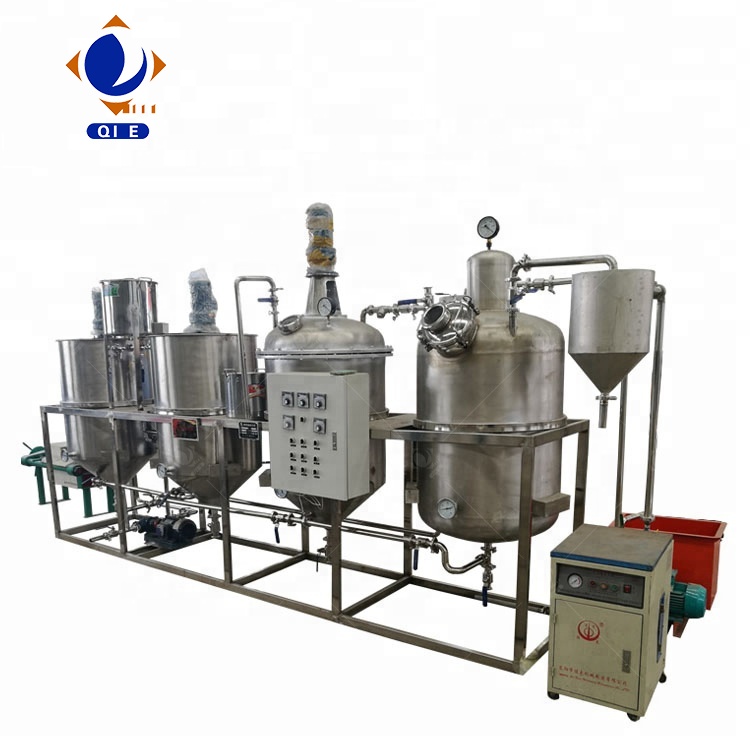
Batch refining systems are typically suited for small oil plants with daily production below 10 tons. Their intermittent operation allows flexibility and lower upfront costs but requires more manual intervention. Ideal for startups or specialty producers focusing on limited product variations.

Semi-continuous systems offer a middle-ground solution, accommodating 10 to 50 tons per day. These systems incorporate partial automation, balancing efficiency with manageable investments. Plants seeking moderate scalability and more stable output favor this arrangement.

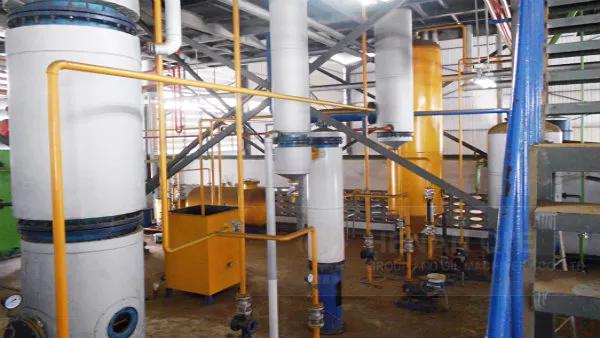
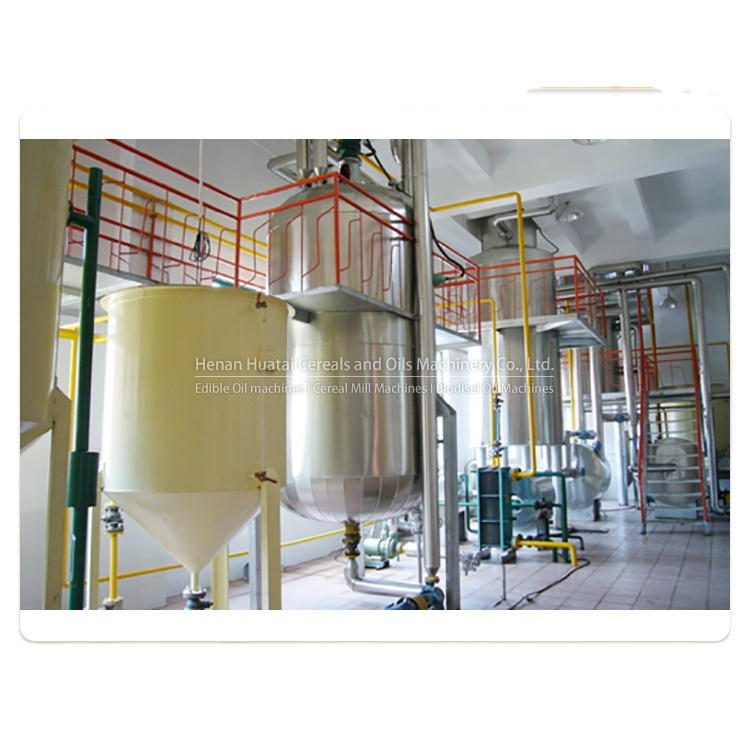
Continuous refining systems target high-volume operations exceeding 50 tons daily. Emphasizing full automation, these plants achieve steady, high-quality oil output but demand significant capital expenditure and technical expertise. Large-scale industrial processors prioritize this model for cost-effective mass production.
H4d80f3ec5dcd4975b28455e2ec51a806J.jpg

Key Factors in Equipment Selection

When deciding on a soybean oil refining machine setup, consider three critical variables:

  • Daily Production Capacity: Align equipment size precisely to projected throughput to avoid underutilization or bottlenecks. For example, a plant targeting 30 tons/day should explore semi-continuous options rather than batch systems.
  • Automation Level: Higher automation reduces labor costs and improves consistency but raises initial expenses. Automation packages can range from simple temperature and pressure controls to fully integrated computerized supervision.
  • Capital Investment & OPEX: Balance upfront costs with operating expenses. Continuous systems entail higher capital but yield lower long-term energy and maintenance costs due to optimized workflow.

Installation and Maintenance Best Practices

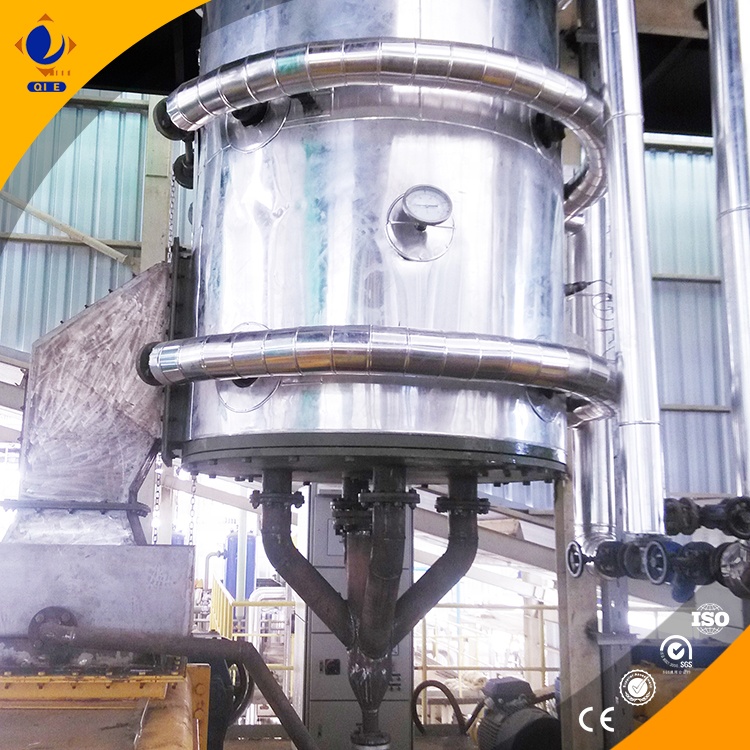
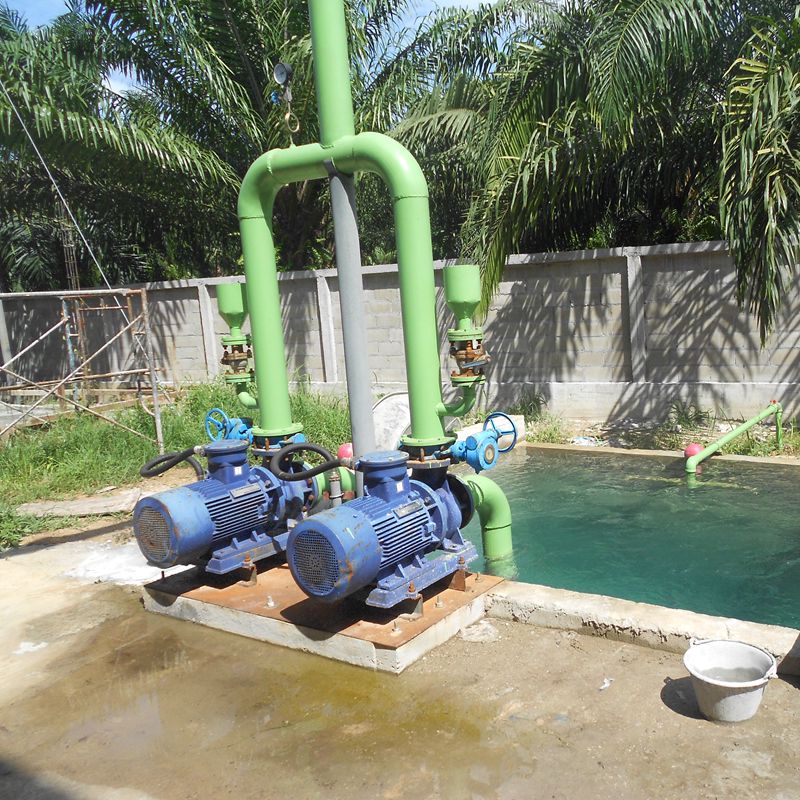
Proper installation is essential for long-term performance. Ensure foundation concrete meets weight and vibration standards. Meticulous calibration of refining parameters like caustic soda dosage, temperature gradients, and decolorization time helps maintain oil quality.

Routine maintenance should focus on:

  • Regular cleaning of degumming and bleaching components to prevent clogging.
  • Inspection and replacement of seals and gaskets to avoid leaks.
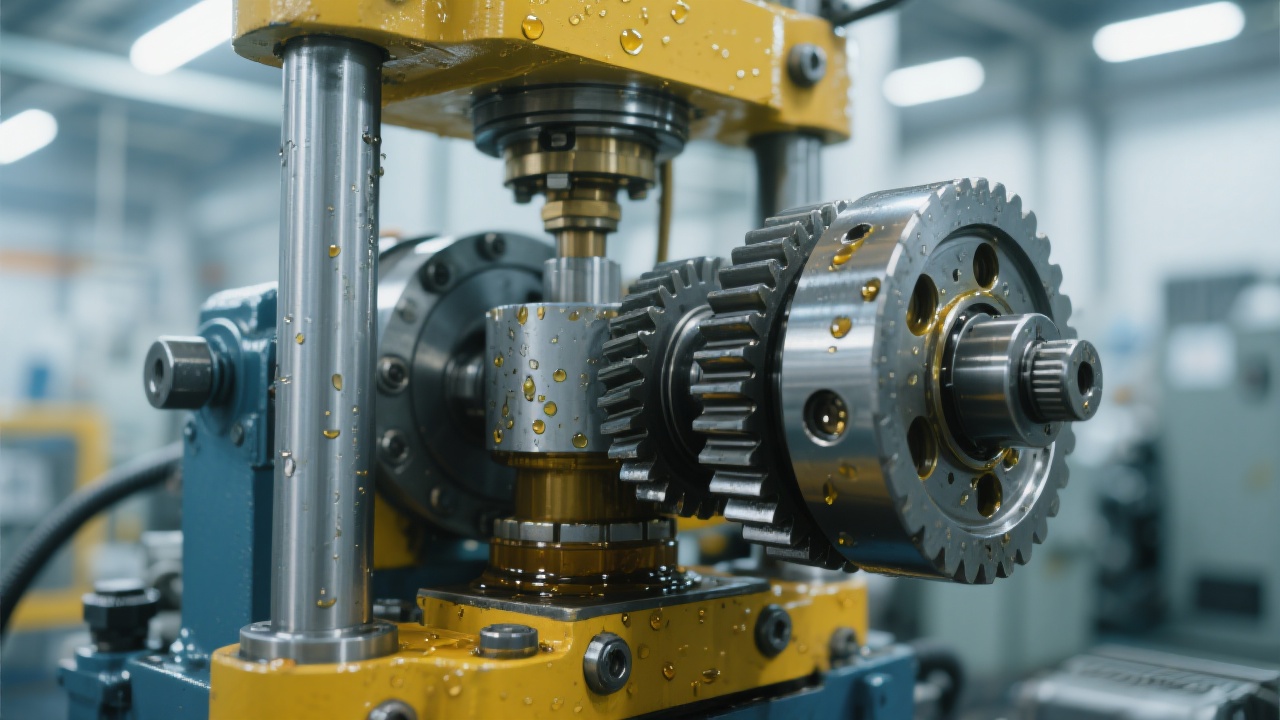
  • Lubrication schedules for moving parts to minimize wear and tear.
  • Monitoring control system software updates to optimize operations.
H82212ac90831456abc25a88601bb86600.jpg

Troubleshooting Common Refining Equipment Issues

Operators frequently encounter challenges such as emulsification difficulties, oil discoloration, or excessive foaming. Systematic diagnosis includes:

  • Checking raw oil quality and pre-treatment adequacy.
  • Verifying chemical dosing accuracy—especially caustic and bleaching earth levels.
  • Adjusting temperature controls, as overheating leads to oxidation.
  • Cleaning equipment filters and vessels to eliminate residue build-up.

Documenting operational irregularities and maintenance activities establishes patterns that simplify root cause analysis and prevent repeat faults.

Customer Success: Case Highlights

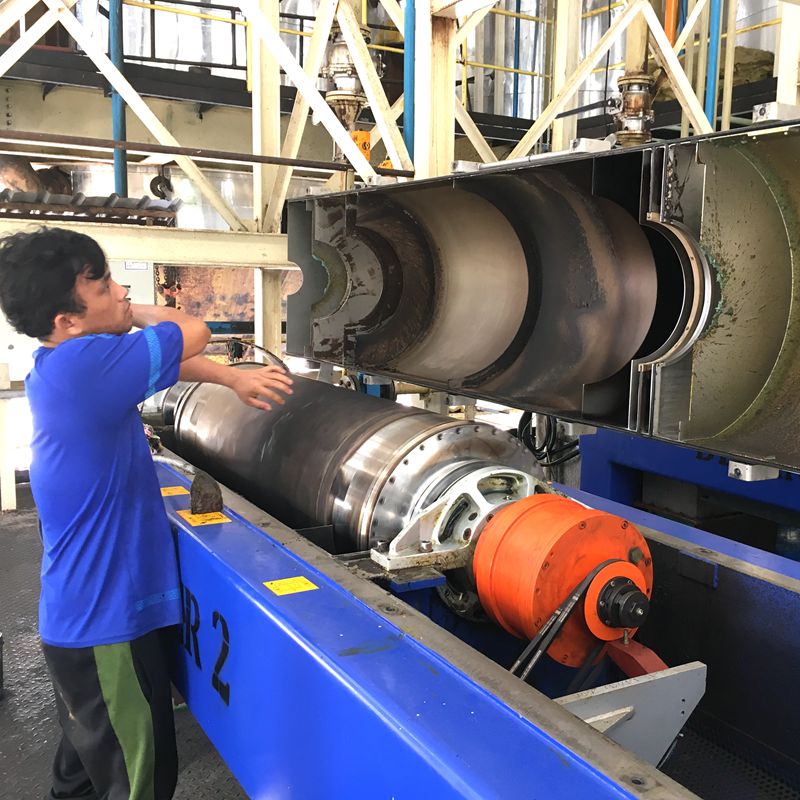
A medium-sized refinery with a 45-ton/day throughput adopted a semi-continuous refining system and experienced a 15% increase in processing efficiency alongside a 20% reduction in raw material wastage within six months. Another startup optimized its batch system configuration to improve process stability, reducing downtime by 30%.
H7cc5dffe84eb4952bd47798ad4be6560E.jpg

Frequently Asked Questions

Q: What is the minimum lot size for batch refining systems?
A: Typically, batch systems operate efficiently at volumes below 10 tons per day, making them ideal for startups or niche oil producers.
Q: How does automation impact operational costs?
While automation increases initial investment, it significantly lowers labor costs and improves product consistency, resulting in better overall return on investment.
Q: What preventive measures improve refining equipment longevity?
Routine cleaning, timely replacement of wear parts, and consistent monitoring of processing parameters are key to extending equipment lifespan.
Recommended Products
Related Reading
https://shmuker.oss-accelerate.aliyuncs.com/data/oss/65b068c3c2e9735675cac322/65b0a486107bc6700293c9bf/20240425111341/石油溶剂萃取机械-3.jpg
2025-09-05 | https://shmuker.oss-accelerate.aliyuncs.com/tmp/temporary/60ec5bd7f8d5a86c84ef79f2/60ec5bdcf8d5a86c84ef7a9a/20240305161110/eye.png 234 | https://shmuker.oss-accelerate.aliyuncs.com/tmp/temporary/60ec5bd7f8d5a86c84ef79f2/60ec5bdcf8d5a86c84ef7a9a/20240305160636/lable.png Soybean oil mills Mechanical pressing Solvent extraction Oil extraction process Soybean oil refining
https://shmuker.oss-accelerate.aliyuncs.com/data/oss/65b068c3c2e9735675cac322/65b0a486107bc6700293c9bf/米糠-2.jpg
2025-02-11 | https://shmuker.oss-accelerate.aliyuncs.com/tmp/temporary/60ec5bd7f8d5a86c84ef79f2/60ec5bdcf8d5a86c84ef7a9a/20240305161110/eye.png 96 | https://shmuker.oss-accelerate.aliyuncs.com/tmp/temporary/60ec5bd7f8d5a86c84ef79f2/60ec5bdcf8d5a86c84ef7a9a/20240305160636/lable.png Mini Soybean Oil Plant Mini Soybean Oil Press Machine Soybean Oil Production Equipment Small-Scale Soybean Oil Plant Compact Soybean Oil Processing Cost-Effective Oil Extraction Plant High-Quality Soybean Oil Production Mini Oil Refining Machine Flexible Soybean Oil Production Solutions Local Soybean Oil Manufacturing
https://shmuker.oss-accelerate.aliyuncs.com/data/oss/65b068c3c2e9735675cac322/65b0a486107bc6700293c9bf/20240425103113/大豆-2.jpg
2025-06-26 | https://shmuker.oss-accelerate.aliyuncs.com/tmp/temporary/60ec5bd7f8d5a86c84ef79f2/60ec5bdcf8d5a86c84ef7a9a/20240305161110/eye.png 141 | https://shmuker.oss-accelerate.aliyuncs.com/tmp/temporary/60ec5bd7f8d5a86c84ef79f2/60ec5bdcf8d5a86c84ef7a9a/20240305160636/lable.png energy-efficient soybean processing equipment preservation of soybean nutritional components solvent extraction technology soybean flake equipment soybean processing solutions
https://shmuker.oss-accelerate.aliyuncs.com/data/oss/common/20241125095717/20241125/9af60bf1c7a70e4785e33c472eefd2d7/H6e8c1ec085084ada923aa89da5774dc43.jpg
2025-10-18 | https://shmuker.oss-accelerate.aliyuncs.com/tmp/temporary/60ec5bd7f8d5a86c84ef79f2/60ec5bdcf8d5a86c84ef7a9a/20240305161110/eye.png 189 | https://shmuker.oss-accelerate.aliyuncs.com/tmp/temporary/60ec5bd7f8d5a86c84ef79f2/60ec5bdcf8d5a86c84ef7a9a/20240305160636/lable.png soybean oil press mechanical pressing screw oil press soybean cake feed oil filtration
https://shmuker.oss-accelerate.aliyuncs.com/data/oss/65b068c3c2e9735675cac322/65b0a486107bc6700293c9bf/20240806102438/亚麻籽-3.jpg
2025-04-10 | https://shmuker.oss-accelerate.aliyuncs.com/tmp/temporary/60ec5bd7f8d5a86c84ef79f2/60ec5bdcf8d5a86c84ef7a9a/20240305161110/eye.png 266 | https://shmuker.oss-accelerate.aliyuncs.com/tmp/temporary/60ec5bd7f8d5a86c84ef79f2/60ec5bdcf8d5a86c84ef7a9a/20240305160636/lable.png soybean oil press production scale suitability soybean oil press features
Hot Products
Popular articles
Recommended Reading
Contact us
Contact us
https://shmuker.oss-cn-hangzhou.aliyuncs.com/tmp/temporary/60ec5bd7f8d5a86c84ef79f2/60ec5bdcf8d5a86c84ef7a9a/thumb-prev.png