For global food manufacturers and edible oil producers, the journey from crude soybean oil to premium refined oil is both an art and a science. In today’s competitive B2B market, where quality standards are rising and buyer expectations are more stringent than ever, mastering key refining metrics—especially Free Fatty Acid (FFA) reduction and color improvement—is no longer optional. It's essential.
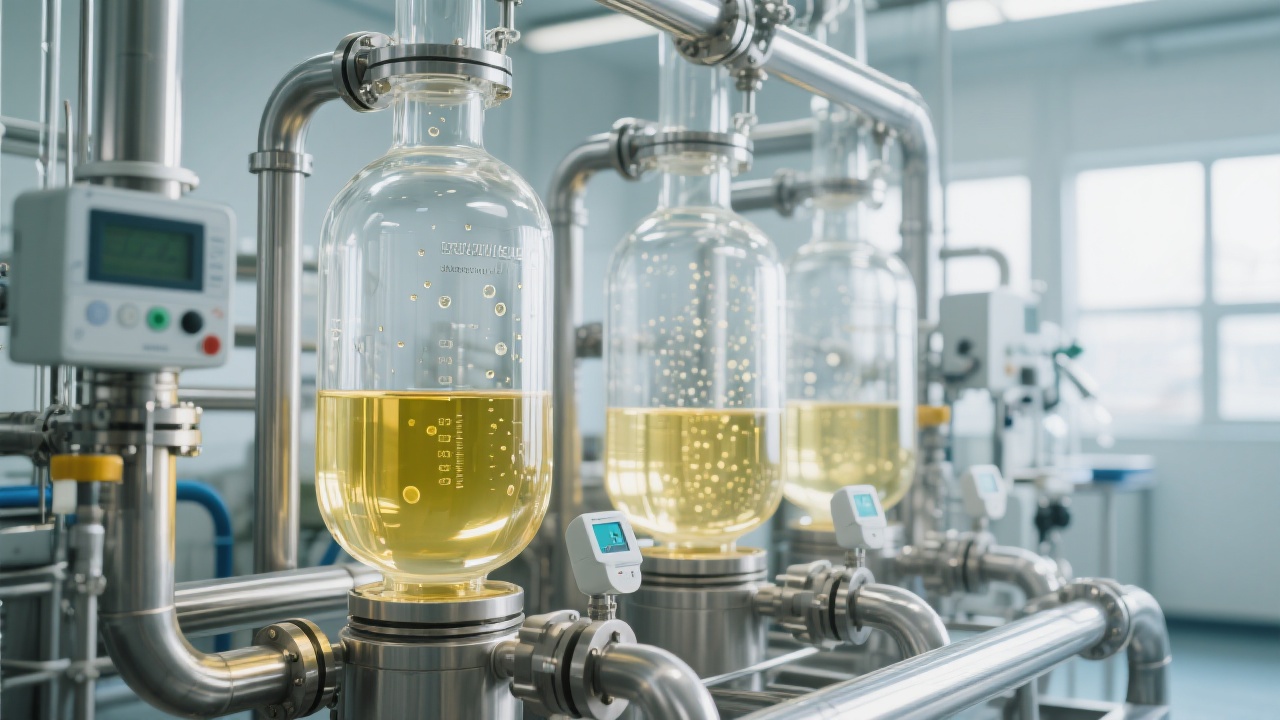
Let’s start with the basics: FFA levels directly impact shelf life, oxidation stability, and sensory quality. A typical crude soybean oil may have 2–4% FFA. For high-end applications like cooking oils or infant formulas, this must be reduced to below 0.1%. Similarly, oil color—measured in Lovibond units—must fall within 2–5 R (red) and 1–3 Y (yellow) for premium consumer brands. Poor color not only signals poor processing but also triggers rejection by EU and North American buyers who rely on strict visual standards.
Industry data shows that refiners who consistently maintain FFA < 0.1% and achieve a yellowish-gold hue (L* > 75, b* < 10) report up to 35% higher customer retention rates and 20% faster order cycles due to fewer rejections and reprocessing needs.
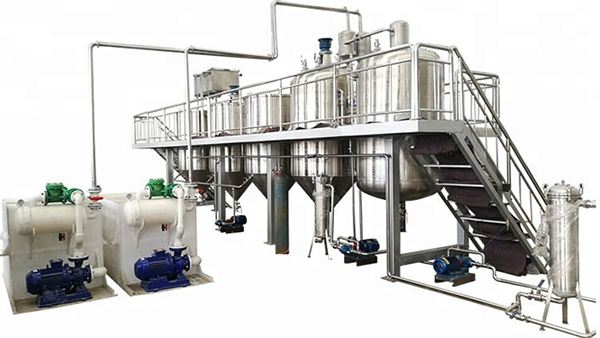
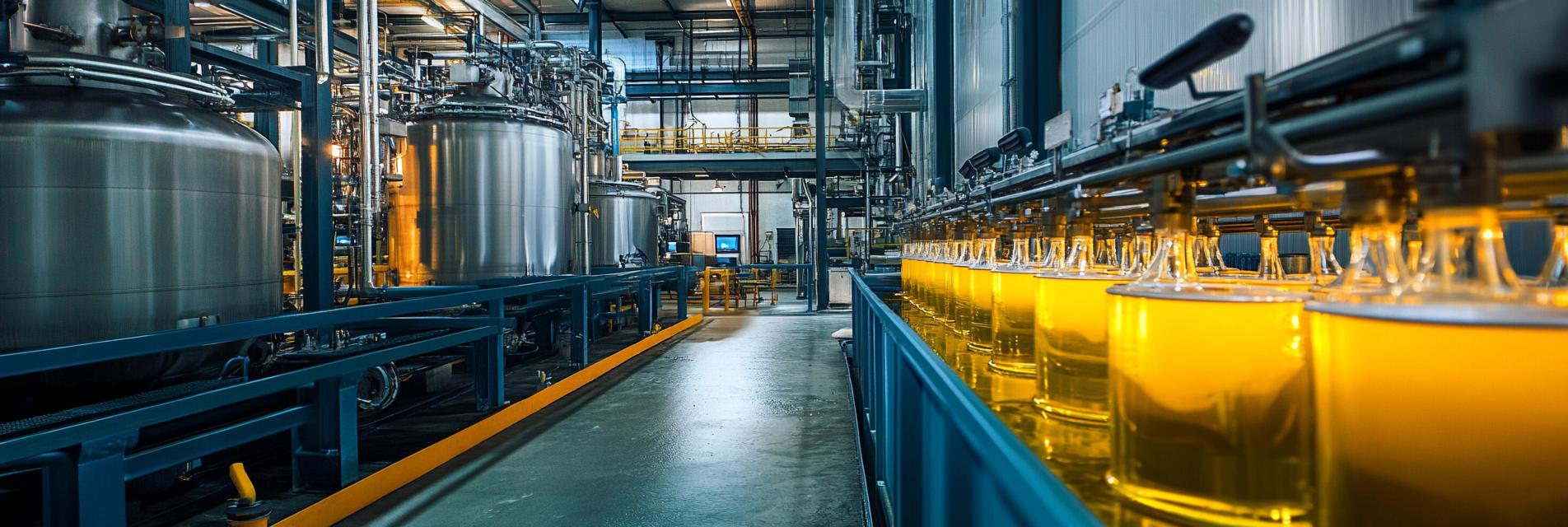
The choice of refining system—batch, semi-continuous, or fully continuous—dictates efficiency and consistency. While batch systems offer flexibility, they often result in inconsistent FFA removal (±0.3%) and variable color outcomes. Semi-continuous setups improve uniformity, but full continuous lines—with automated feed control, precise caustic dosing, and real-time pH monitoring—are now the gold standard.
Take one case study from a mid-sized Chinese refiner: after switching from batch to continuous refining, their average FFA dropped from 0.28% to 0.07%, and oil clarity improved by 40% (as measured by ASTM D1504). The ROI? Just 14 months—thanks to reduced waste, lower labor costs, and increased throughput.
What separates leaders from followers? Real-time process control. Modern refineries now integrate inline FTIR analyzers, online moisture sensors, and AI-driven predictive maintenance tools. These technologies reduce manual intervention, minimize human error, and ensure every drum meets brand specifications.
A recent survey by the International Association of Edible Oil Refiners found that facilities using automation saw a 60% decrease in off-spec batches and a 25% increase in production uptime—all while maintaining compliance with ISO 22000 and HACCP standards.
Quick Fix Tip: If your FFA remains above 0.15%, check your neutralization temperature (should be 60–70°C) and ensure your alkali concentration is calibrated weekly. For color issues, verify bleaching clay dosage—typically 0.5–1.5% of total oil weight—and test adsorption time (ideal: 15–20 min).
Whether you're sourcing raw materials or looking to upgrade your own refining capabilities, understanding these technical levers gives you a powerful edge—not just in meeting specs, but in building trust with international buyers who demand consistent quality.
✅ Get Your Customized Refining Process Audit Now
 227
|
227
|
 Soybean Oil Refinery Machine
Soybean Oil Press Machine
High-Quality Soybean Oil Refining
Batch Soybean Oil Refinery Machine
Semi-Continuous Soybean Oil Refinery System
Continuous Soybean Oil Refinery Plant
Edible Soybean Oil Production Equipment
Automated Soybean Oil Refining Solutions
Cost-Effective Soybean Oil Refinery
Versatile Soybean Oil Refinery Machinery
Soybean Oil Refinery Machine
Soybean Oil Press Machine
High-Quality Soybean Oil Refining
Batch Soybean Oil Refinery Machine
Semi-Continuous Soybean Oil Refinery System
Continuous Soybean Oil Refinery Plant
Edible Soybean Oil Production Equipment
Automated Soybean Oil Refining Solutions
Cost-Effective Soybean Oil Refinery
Versatile Soybean Oil Refinery Machinery
 159
|
soybean oil extraction methods
mechanical pressing in oil production
solvent extraction process
oil recovery efficiency
export-oriented soybean processing plants
159
|
soybean oil extraction methods
mechanical pressing in oil production
solvent extraction process
oil recovery efficiency
export-oriented soybean processing plants
 78
|
soybean oil mill quality control
export food safety
sustainable oil production
energy efficiency in edible oil
international food standards compliance
78
|
soybean oil mill quality control
export food safety
sustainable oil production
energy efficiency in edible oil
international food standards compliance
 219
|
soybean oil press machine comparison
soybean oil extraction technology
types of oil press machines
219
|
soybean oil press machine comparison
soybean oil extraction technology
types of oil press machines
 480
|
Soybean oil bleaching tower
Soybean oil deodorizer
Refining equipment selection
Soybean oil quality improvement
Edible oil production equipment
480
|
Soybean oil bleaching tower
Soybean oil deodorizer
Refining equipment selection
Soybean oil quality improvement
Edible oil production equipment