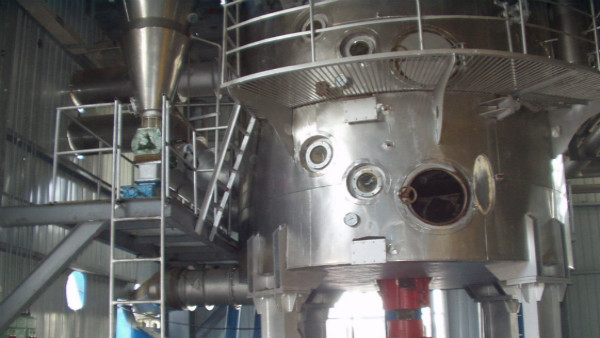
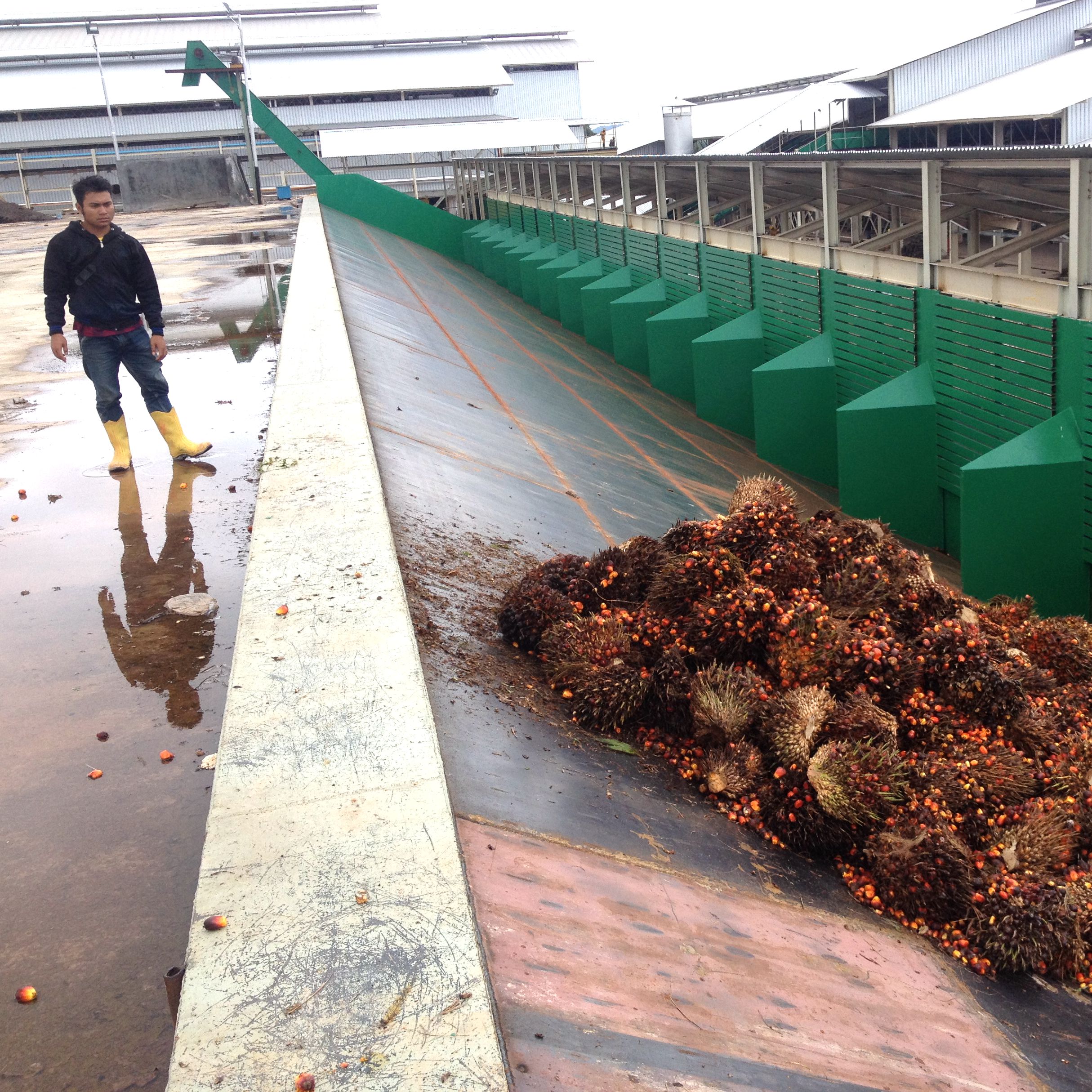
For processors looking to scale efficiently—whether you're a small startup or an established oil mill—selecting the correct soybean oil refining system isn't just about capacity. It's about optimizing output quality, minimizing downtime, and maximizing ROI over time.
Based on real-world installations across Asia, Latin America, and Europe, here’s how different production scales match specific refining technologies:
“After switching from batch to semi-continuous, our oil clarity improved significantly—we now meet EU standards consistently.”
— Mr. Rajiv Mehta, Owner, GreenField Oils Pvt. Ltd., India
A family-run oil mill in Nigeria started with a 3-ton/day batch system. After analyzing their order patterns, they upgraded to a semi-continuous setup. Within six months:
This case shows that even modest investments in equipment can drive exponential gains when aligned with business goals—not just technical specs.
Even the best-refined system fails if installed incorrectly. Key tips:
If your team lacks experience, consider hiring a certified technician for initial setup—it saves money long-term.
Which type of processor are you?
Take this quick quiz to see which refining system matches your needs:
Whether you’re exploring options or ready to upgrade, remember: the right configuration isn’t one-size-fits-all—it’s tailored to your volume, market expectations, and operational maturity.
Let us help you design a solution that boosts productivity, ensures consistent quality, and grows with your business.
Explore Soybean Oil Refining Solutions
 103
|
103
|
 soybean oil mill
multi-step production process
efficient oil extraction
technology knowledge
soybean oil production steps
oil yield
soybean oil mill
multi-step production process
efficient oil extraction
technology knowledge
soybean oil production steps
oil yield
 442
|
Soyabean Refined Oil Making Machine
Soybean Oil Press Machine
Batch Oil Refinery Machine
Continuous Oil Refinery Machine
Semi-Automatic Refinery Machine
Mini Oil Refinery Machine
High-Quality Refined Soybean Oil
Oil Production Efficiency
Cost-Effective Oil Refining
Vegetable Oil Refining Equipment
442
|
Soyabean Refined Oil Making Machine
Soybean Oil Press Machine
Batch Oil Refinery Machine
Continuous Oil Refinery Machine
Semi-Automatic Refinery Machine
Mini Oil Refinery Machine
High-Quality Refined Soybean Oil
Oil Production Efficiency
Cost-Effective Oil Refining
Vegetable Oil Refining Equipment
 266
|
soybean oil press
production scale suitability
soybean oil press features
266
|
soybean oil press
production scale suitability
soybean oil press features
 400
|
soybean meal export trade
soybean meal quality standards
soybean meal storage guidelines
soybean meal export compliance
soybean meal international regulations
400
|
soybean meal export trade
soybean meal quality standards
soybean meal storage guidelines
soybean meal export compliance
soybean meal international regulations
 226
|
["multi-functional oil seed processing equipment"
"customizable soybean oil plant"
"oilseed extraction system"
"versatile oil production line"
"high-efficiency oil processing technology"]
226
|
["multi-functional oil seed processing equipment"
"customizable soybean oil plant"
"oilseed extraction system"
"versatile oil production line"
"high-efficiency oil processing technology"]









.jpg)