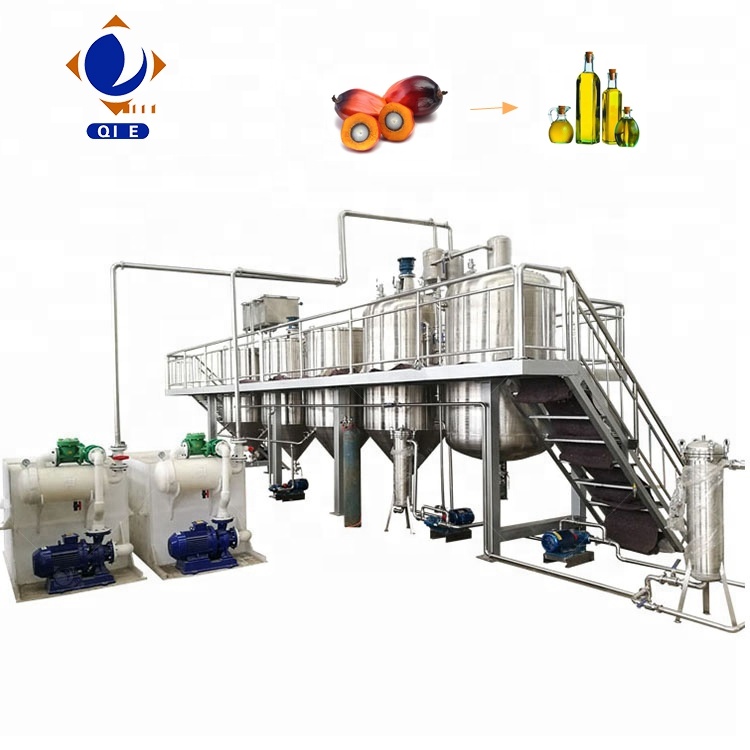
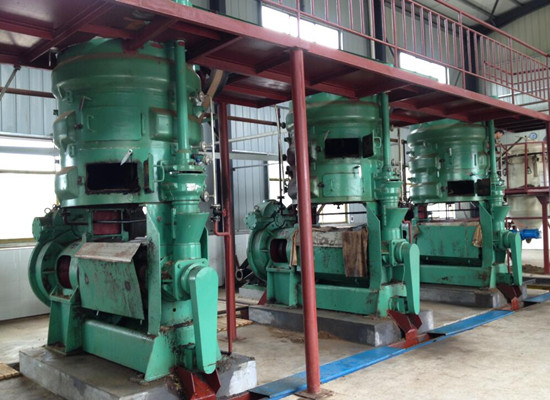
For processors at every scale—from small startups to large-scale refineries—choosing the right soybean oil refining system is critical for efficiency, quality control, and long-term profitability. This guide breaks down the three primary types of soybean oil refining systems: batch, semi-continuous, and continuous processes. Each has distinct advantages depending on your production volume, automation needs, and budget.
Batch Refining Systems are ideal for small to mid-sized operations producing up to 5 tons per day. These systems offer flexibility in processing different feedstocks and require less upfront capital—typically between $25,000–$75,000 USD. However, they demand more manual labor and have lower throughput compared to automated alternatives.
Semi-Continuous Systems bridge the gap between manual and fully automated setups. With daily capacities ranging from 5 to 20 tons, these units reduce labor intensity while maintaining operational flexibility. Investment costs usually fall between $80,000–$150,000 USD, making them a popular choice for growing businesses seeking scalability without overcommitting resources.
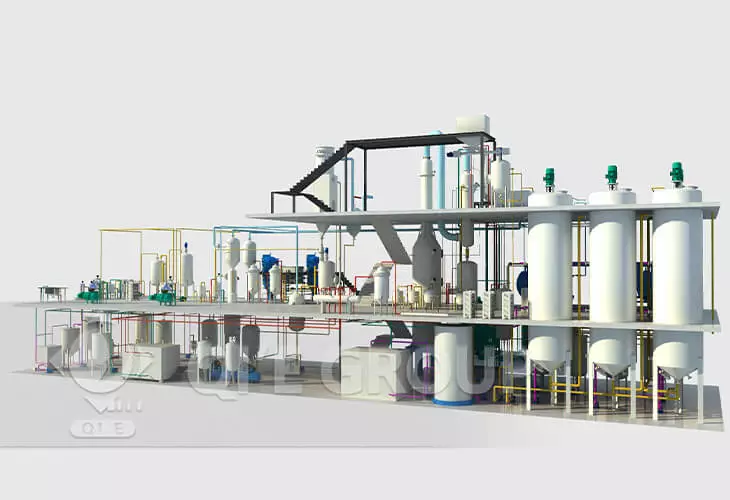
Continuous Refining Lines represent the gold standard for industrial-scale producers (20+ tons/day). Fully automated and integrated with pre-treatment and post-refining stages, these systems boost yield by up to 98% and minimize downtime through predictive maintenance features. While initial investment can exceed $300,000 USD, ROI typically occurs within 18–24 months due to consistent output and reduced waste.
When selecting a system, consider:
Proper installation ensures optimal performance from day one. Key steps include:
Common issues such as uneven heating, clogged filters, or pump failure often stem from improper maintenance rather than faulty design. For example, regular cleaning of neutralization tanks can prevent soap stock buildup—a leading cause of oil quality degradation. In one case study from a Malaysian refinery, implementing a weekly inspection routine increased machine uptime by 22% over six months.
Whether you're scaling up or optimizing existing operations, understanding how each system performs under real-world conditions gives you a strategic edge. The right equipment doesn’t just improve yield—it enhances consistency, reduces waste, and builds buyer trust in your final product.
Pro Tip: Always consult with a certified engineer during commissioning. Many failures occur not from equipment defects but from incorrect setup—especially when integrating new systems into legacy facilities.
If you're ready to take your soybean oil refining process to the next level, explore our range of high-performance refining solutions tailored for global manufacturers. From modular designs to full turnkey installations, we help you build smarter, faster, and more sustainably.

 104
|
104
|
 seed pretreatment line for vegetable oil production
efficient oilseed processing technology
high-yield oil extraction equipment
seed pretreatment line for vegetable oil production
efficient oilseed processing technology
high-yield oil extraction equipment
 207
|
Soybean Oil Refinery Machine
Soybean Oil Press Machine
Edible Oil Production
Oil Refining Equipment
Biodiesel Production
207
|
Soybean Oil Refinery Machine
Soybean Oil Press Machine
Edible Oil Production
Oil Refining Equipment
Biodiesel Production
 241
|
Soybean Oil Press
South American Market
Small and medium-sized oil and fat enterprises
241
|
Soybean Oil Press
South American Market
Small and medium-sized oil and fat enterprises
 141
|
energy-efficient soybean processing equipment
preservation of soybean nutritional components
solvent extraction technology
soybean flake equipment
soybean processing solutions
141
|
energy-efficient soybean processing equipment
preservation of soybean nutritional components
solvent extraction technology
soybean flake equipment
soybean processing solutions
 127
|
Soybean Oil Press
African Market
Small and Medium Enterprises
127
|
Soybean Oil Press
African Market
Small and Medium Enterprises







.jpg)