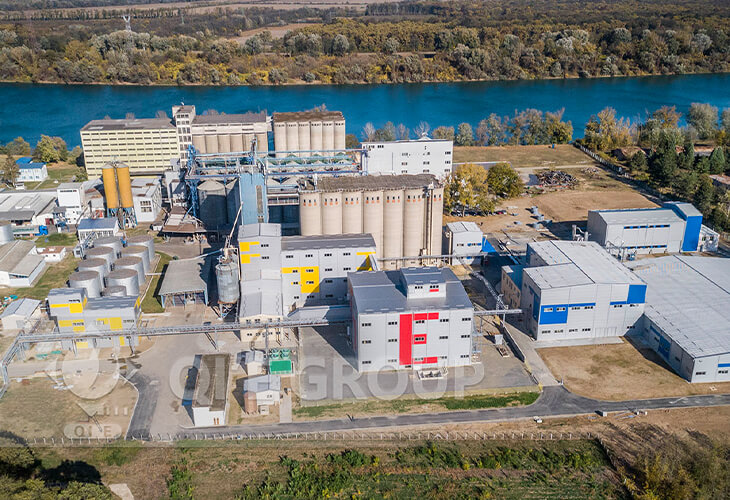
Selecting the appropriate soybean oil refining machine is crucial for both startup enterprises and professional oil processing manufacturers. This guide aims to provide a comprehensive overview of the three main types of soybean oil refining systems - batch, semi - continuous, and continuous - to help you make an informed decision.
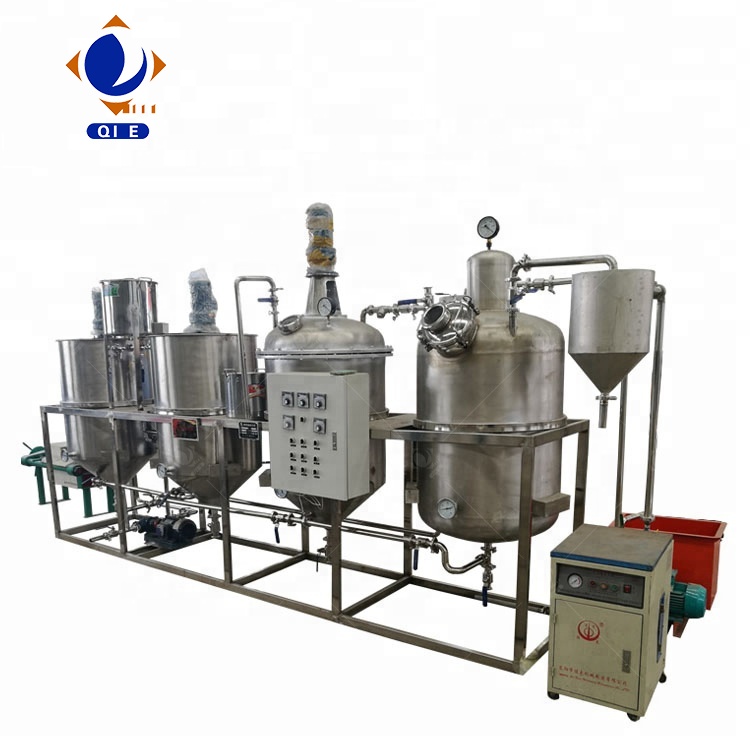
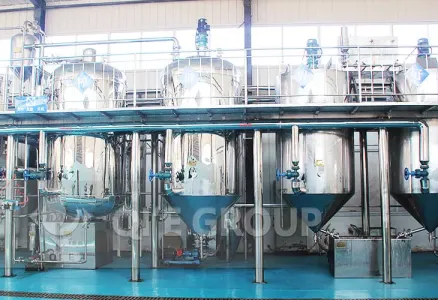
The batch system is the most basic type of soybean oil refining machine. It is characterized by its simplicity and relatively low cost. This system operates in a step - by - step manner, where each batch of oil goes through the refining process one at a time. The capacity of a batch system usually ranges from 1 - 20 tons per day, making it suitable for small - scale production. For example, a startup enterprise with a daily production requirement of less than 10 tons may find the batch system a cost - effective choice. The automation level of a batch system is relatively low, which means more manual intervention is required during the process. The investment budget for a batch system is generally lower, usually ranging from $10,000 - $50,000, depending on the specific configuration. However, the running and maintenance of a batch system can be more labor - intensive, as operators need to closely monitor each batch.
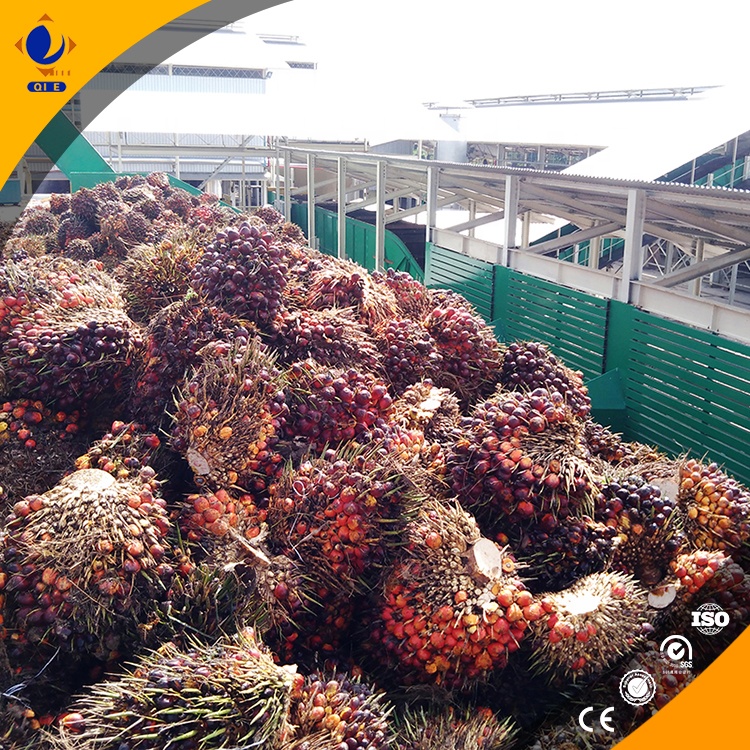
The semi - continuous system combines some features of both batch and continuous systems. It has a higher automation level compared to the batch system. The capacity of a semi - continuous system typically ranges from 20 - 100 tons per day. This system is suitable for medium - scale production. For instance, a medium - sized oil processing factory with a daily output of 50 tons may opt for a semi - continuous system. The semi - continuous system can process multiple batches in a more efficient way, reducing the overall processing time. The investment budget for a semi - continuous system is in the range of $50,000 - $200,000. The running and maintenance of a semi - continuous system require a certain level of technical expertise, but it is less labor - intensive than the batch system.
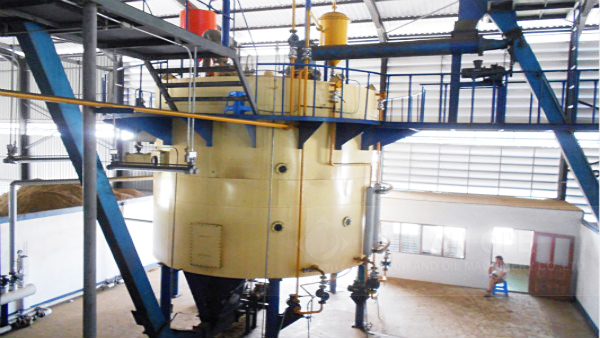
The continuous system is the most advanced and efficient type of soybean oil refining machine. It can process oil continuously without interruption. The capacity of a continuous system can be as high as several hundred tons per day, making it ideal for large - scale production. For example, a large - scale oil processing enterprise with a daily output of over 100 tons will benefit greatly from a continuous system. The automation level of a continuous system is very high, which means less manual intervention is needed. However, the investment budget for a continuous system is relatively high, usually starting from $200,000. The running and maintenance of a continuous system require professional technicians, but it can achieve high - speed and stable production.
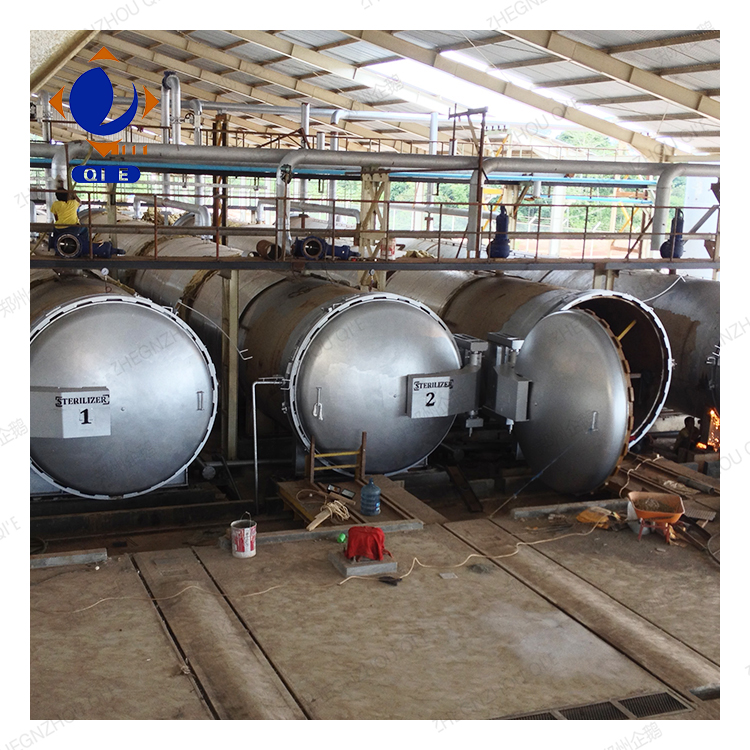
The production scale is the most important factor in machine selection. As mentioned above, small - scale producers should consider the batch system, medium - scale producers may choose the semi - continuous system, and large - scale producers should opt for the continuous system. However, it is also necessary to consider future expansion plans. If a startup enterprise has plans to expand its production in the future, it may be more cost - effective to choose a semi - continuous system with room for upgrade.
Automation requirements are closely related to the labor cost and production efficiency. Enterprises with high labor costs or a need for high - speed production should choose a system with a higher automation level. For example, in developed countries where labor is expensive, continuous systems are more popular.
Budget is another important factor. Different systems have different investment budgets. Enterprises should make a reasonable choice based on their financial situation. However, it is important to note that a higher - cost system usually means higher efficiency and lower long - term operating costs.
Proper installation is crucial for the normal operation of soybean oil refining machines. When installing the equipment, it is necessary to follow the manufacturer's instructions and ensure that the installation environment meets the requirements. For example, the installation site should have a stable foundation and good ventilation.
Regular maintenance is also essential to extend the service life of the equipment. This includes cleaning, lubricating, and inspecting the equipment regularly. The maintenance cycle and specific maintenance items vary depending on the type of system.
When it comes to troubleshooting, common problems such as blockages, leaks, and abnormal noises may occur. Enterprises should have a basic understanding of these problems and be able to solve them in a timely manner. For example, if there is a blockage in the pipeline, operators should first check the filter and clean or replace it if necessary.

Q: What is the most suitable system for a startup enterprise?
A: For a startup enterprise with a relatively small production scale and limited budget, the batch system is usually a good choice. It has a lower investment cost and can meet the initial production needs.
Q: How often should I maintain my soybean oil refining machine?
A: The maintenance frequency depends on the type of system and the operating conditions. Generally, it is recommended to conduct daily inspections, weekly minor maintenance, and monthly major maintenance.
Q: Can I upgrade my batch system to a semi - continuous or continuous system in the future?
A: In most cases, it is possible to upgrade a batch system to a semi - continuous or continuous system. However, it is necessary to consult the equipment manufacturer to ensure that the upgrade is feasible and cost - effective.
To sum up, choosing the right soybean oil refining machine is a complex decision that requires comprehensive consideration of various factors. By following this guide, you can make a more scientific and reasonable choice. If you want to learn more about soybean oil refining equipment solutions, please visit CTA - URL.
 227
|
227
|
 soybean oil mill
versatile oil mill
capacity configuration
oil mill application scenarios
customizable oil mill
soybean oil mill
versatile oil mill
capacity configuration
oil mill application scenarios
customizable oil mill
 397
|
customized vegetable oil production line
oilseed pre-treatment technology
high ROI oil processing solutions
397
|
customized vegetable oil production line
oilseed pre-treatment technology
high ROI oil processing solutions
 211
|
soybean oil press
integrated filtration system
oil purification technology
export certification standards
hydraulic vs spiral oil press
211
|
soybean oil press
integrated filtration system
oil purification technology
export certification standards
hydraulic vs spiral oil press
 188
|
soybean oil press maintenance
screw oil press troubleshooting
oil press cleaning procedures
soybean oil extraction efficiency
oil machine fault diagnosis
188
|
soybean oil press maintenance
screw oil press troubleshooting
oil press cleaning procedures
soybean oil extraction efficiency
oil machine fault diagnosis
 333
|
Soybean Oil Expeller Machine
Soybean Oil Press Machine
high yield soybean oil expeller
mechanical soybean oil extraction
efficient oil production machine
soybean oil refining equipment
industrial soybean oil press
small scale soybean oil expeller
biodiesel soybean oil production
soybean cake animal feed
333
|
Soybean Oil Expeller Machine
Soybean Oil Press Machine
high yield soybean oil expeller
mechanical soybean oil extraction
efficient oil production machine
soybean oil refining equipment
industrial soybean oil press
small scale soybean oil expeller
biodiesel soybean oil production
soybean cake animal feed