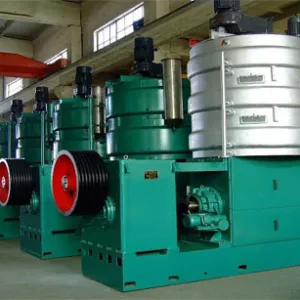
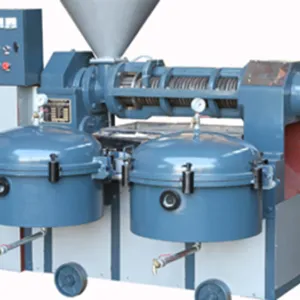
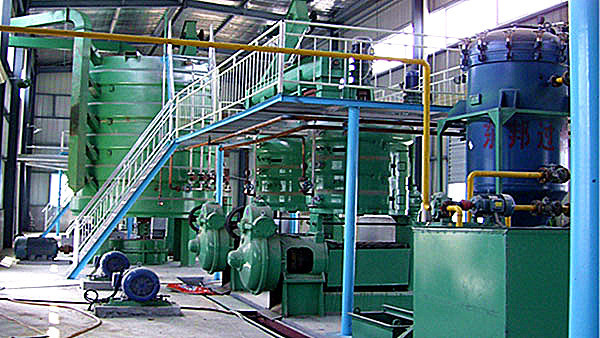
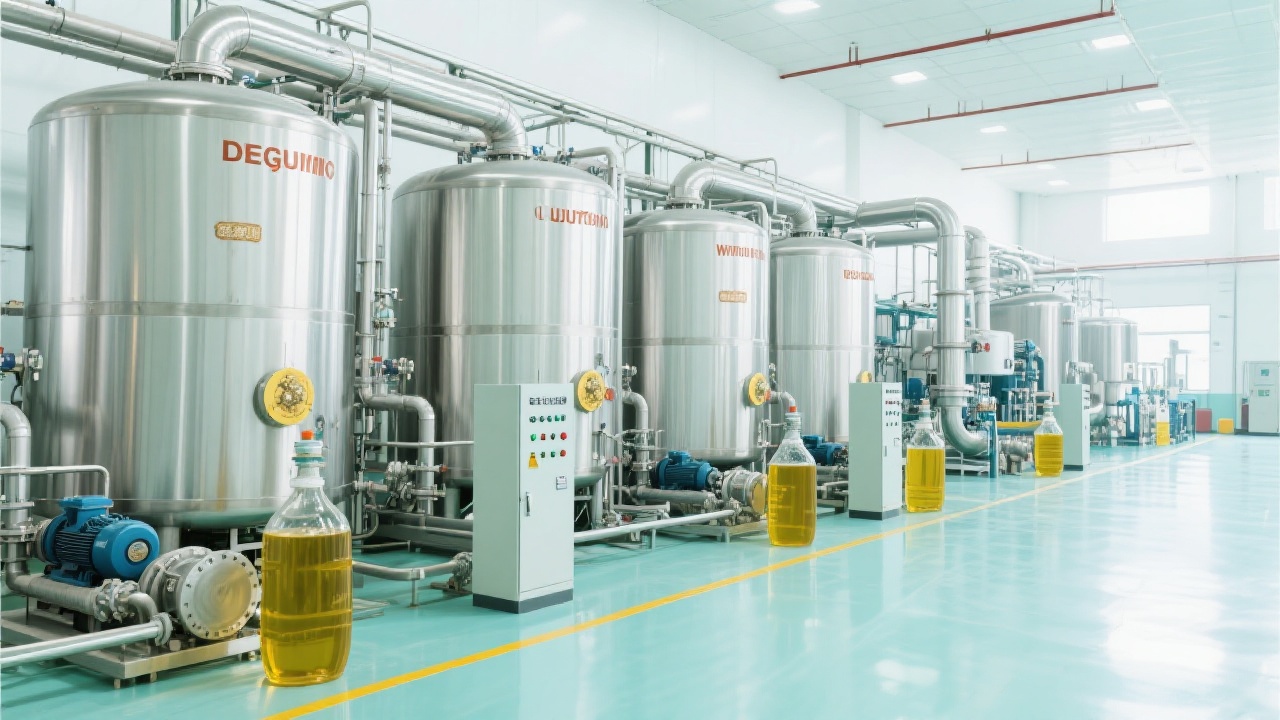
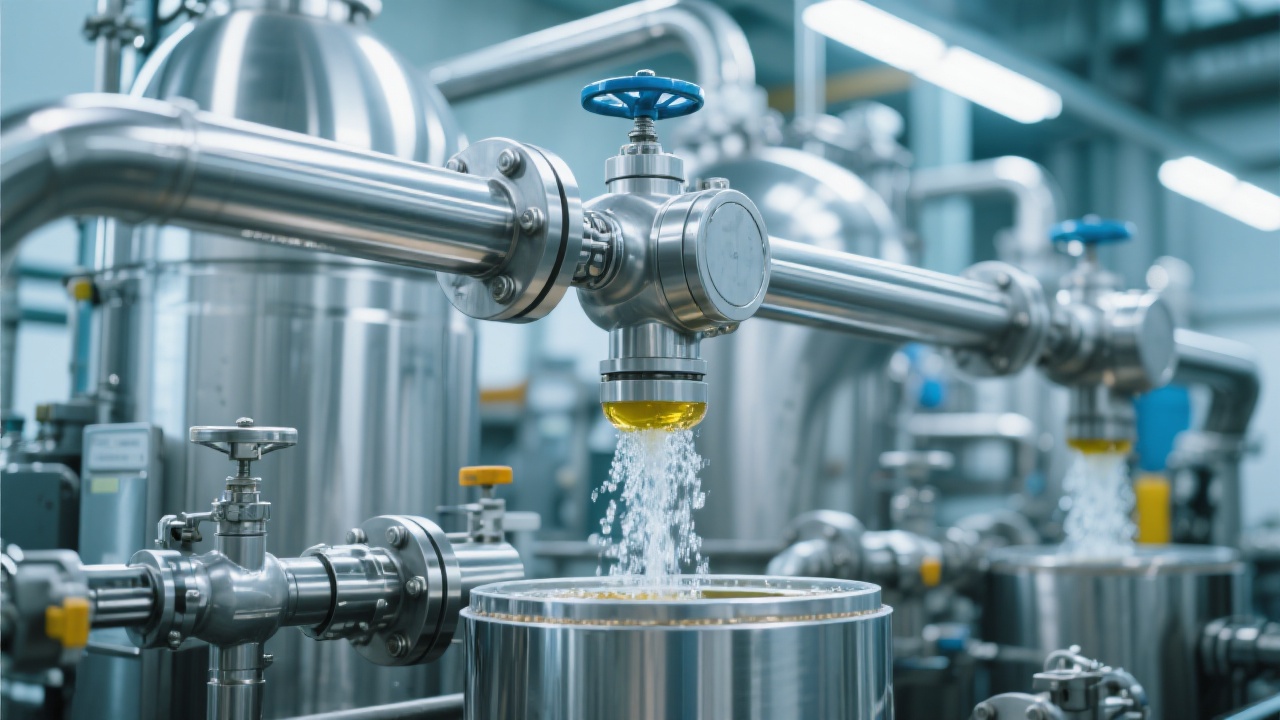
When it comes to soybean oil production, selecting the right refining equipment is crucial. There are three main types of soybean oil refining systems: batch, semi - continuous, and continuous. Each has its own unique features, and understanding them is the first step in making an informed decision.
A batch refining system is the most basic type. It operates in a step - by - step manner, where a fixed amount of crude oil is processed at a time. This system is relatively simple in design and easy to operate, making it a popular choice for small - scale producers. On the other hand, a semi - continuous system combines some aspects of batch and continuous processing. It allows for a more flexible production process, with the ability to process multiple batches with some degree of automation. The continuous refining system, as the name suggests, processes oil continuously without interruption, offering high - volume production and high levels of automation.
In terms of capacity, the continuous system takes the lead. It can handle large volumes of crude oil, with daily production capacities ranging from 100 to 500 tons or even more. The semi - continuous system has a moderate capacity, usually between 20 to 100 tons per day, while the batch system is suitable for small - scale production, typically with a daily output of less than 20 tons.
Automation levels also vary significantly. The continuous system is highly automated, requiring minimal human intervention. It uses advanced sensors and control systems to ensure consistent quality and high - efficiency production. The semi - continuous system has a certain degree of automation, but still needs some manual operation. The batch system, however, relies mostly on manual labor, which may lead to more human errors but is also more cost - effective for small - scale operations.
Investment cost is another important factor. The continuous system requires a large initial investment, mainly due to its high - tech equipment and complex infrastructure. The semi - continuous system has a moderate investment cost, and the batch system is the most affordable option, making it accessible for small - start - up companies.
For start - up companies, the batch refining system is often the best choice. With limited capital and production requirements, a batch system can help them start their business with a relatively low investment. It also allows them to gain hands - on experience in the soybean oil refining process. As the business grows, they can consider upgrading to a semi - continuous or continuous system.
In an industrial production setting, large - scale enterprises usually opt for continuous refining systems. These systems can meet the high - volume demand of the market, improve production efficiency, and ensure consistent product quality. They are also more suitable for long - term, large - scale production operations.
When installing a soybean oil refining system, it is important to choose a suitable location. The site should have a stable foundation, proper ventilation, and easy access to utilities such as water and electricity. For continuous and semi - continuous systems, professional installation teams are recommended to ensure the correct installation of complex equipment.
Regular maintenance is essential for the smooth operation of the refining system. For the batch system, daily cleaning of the equipment and regular inspection of valves and pipes are necessary. In the semi - continuous and continuous systems, more advanced maintenance procedures are required, such as regular calibration of sensors and replacement of wearing parts. It is also important to follow the manufacturer's maintenance guidelines to prevent major breakdowns.
Common problems in soybean oil refining systems include clogging of pipes, malfunction of sensors, and improper temperature control. To troubleshoot these issues, it is important to have a basic understanding of the system's operation. For example, if the pipes are clogged, you can try to clean them with appropriate cleaning agents. If the sensors are not working properly, they may need to be recalibrated or replaced.
Preventive measures are also crucial. Regular maintenance, proper training of operators, and using high - quality raw materials can all help reduce the occurrence of problems. For example, using clean and dry crude oil can prevent clogging of pipes and damage to equipment.
Let's take a look at some real - world examples. A small - scale soybean oil producer in South America started with a batch refining system. With the system, they were able to produce high - quality soybean oil at a low cost. As their business expanded, they upgraded to a semi - continuous system, which increased their production capacity and efficiency. According to industry experts, choosing the right refining system based on production scale and business goals is the key to success in the soybean oil industry.

 175
|
175
|
 soybean oil refining equipment maintenance
oil refining machinery troubleshooting
soybean oil processing equipment selection
refining machine operation tips
oilseed processing equipment upkeep
soybean oil refining equipment maintenance
oil refining machinery troubleshooting
soybean oil processing equipment selection
refining machine operation tips
oilseed processing equipment upkeep
 246
|
soybean meal nutrition
soybean meal processing technology
animal feed formulation
soybean oil byproducts
soybean meal market trends
246
|
soybean meal nutrition
soybean meal processing technology
animal feed formulation
soybean oil byproducts
soybean meal market trends
 128
|
Soybean Solvent Extraction Plant
Soybean Oil Press Machine
Industrial Soybean Oil Extraction
High Yield Soybean Solvent Extraction
Cost-Effective Soybean Oil Production
Soybean Oil Extraction Efficiency
Soybean Meal Production
Biodiesel from Soybean Oil
Soybean Oil Refining Process
Eco-Friendly Solvent Recovery System
128
|
Soybean Solvent Extraction Plant
Soybean Oil Press Machine
Industrial Soybean Oil Extraction
High Yield Soybean Solvent Extraction
Cost-Effective Soybean Oil Production
Soybean Oil Extraction Efficiency
Soybean Meal Production
Biodiesel from Soybean Oil
Soybean Oil Refining Process
Eco-Friendly Solvent Recovery System
.jpg?x-oss-process=image/resize,h_300,m_lfit/format,webp) 222
|
Soybean Oil Mill
Soybean Oil Press Machine
High Yield Soybean Oil Mill
Cost-Effective Soybean Oil Production
Automatic Soybean Oil Mills
Versatile Soybean Oil Mill
Sustainable Soybean Oil Extraction
Soybean Oil Mill for Animal Feed
Industrial Soybean Oil Production
Soybean Oil Mill Applications
222
|
Soybean Oil Mill
Soybean Oil Press Machine
High Yield Soybean Oil Mill
Cost-Effective Soybean Oil Production
Automatic Soybean Oil Mills
Versatile Soybean Oil Mill
Sustainable Soybean Oil Extraction
Soybean Oil Mill for Animal Feed
Industrial Soybean Oil Production
Soybean Oil Mill Applications
 232
|
multi-functional peanut oil refining equipment
food safety compliant peanut oil processor
refining equipment for various scale oil mills
232
|
multi-functional peanut oil refining equipment
food safety compliant peanut oil processor
refining equipment for various scale oil mills