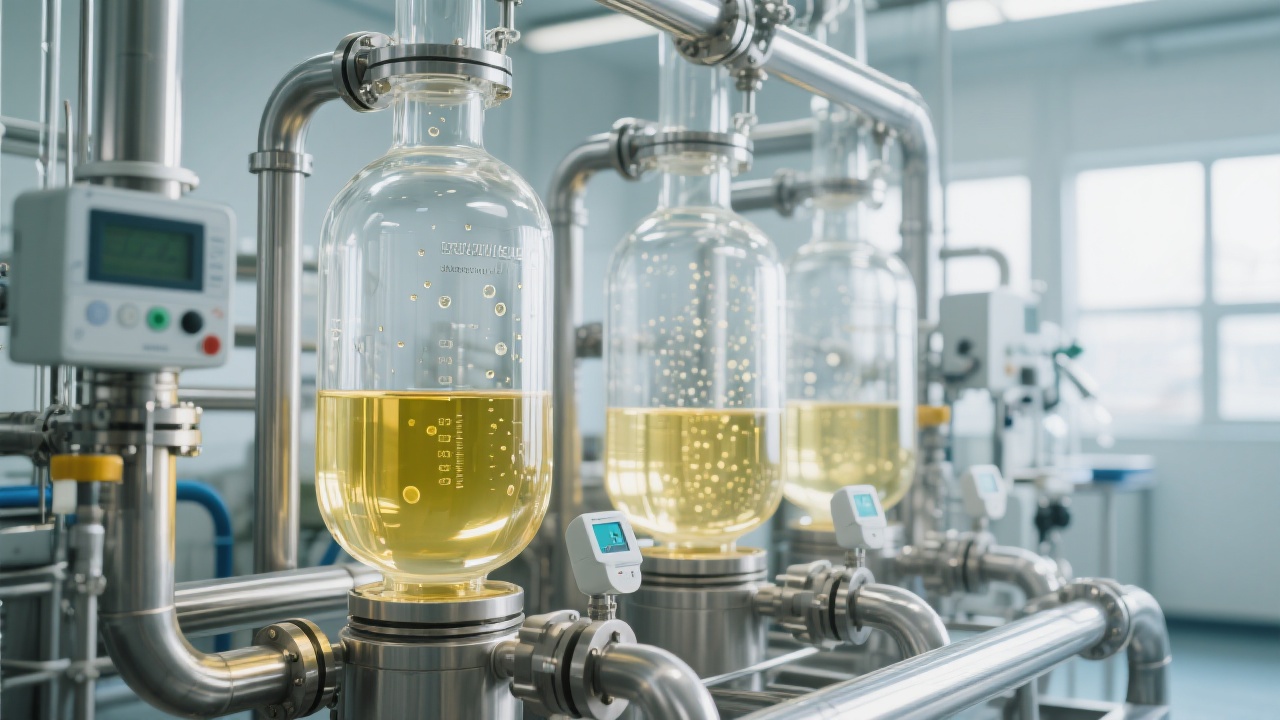
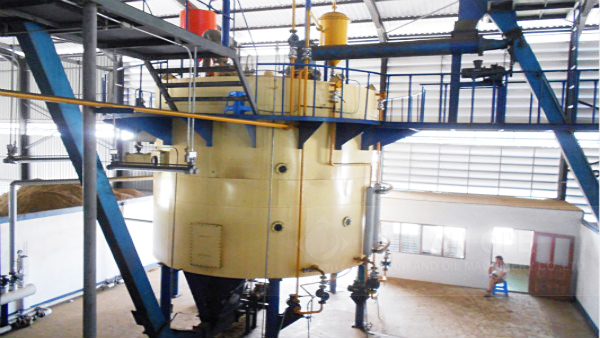
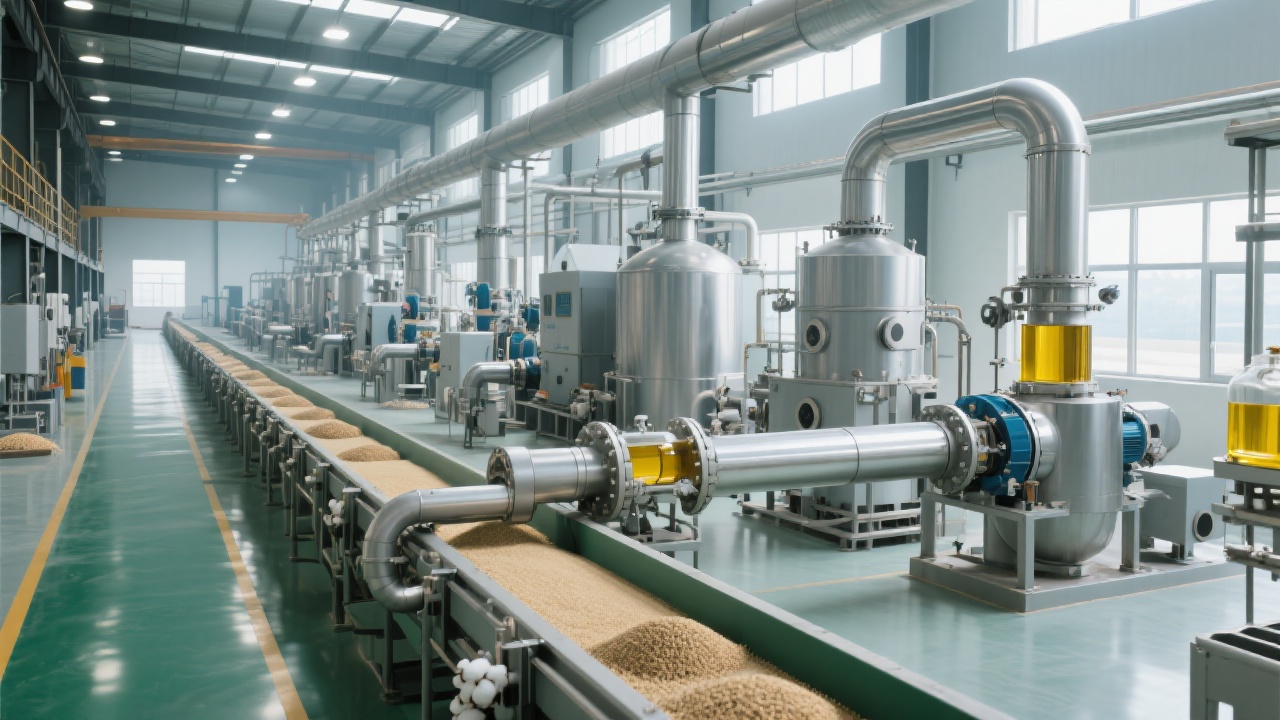
Whether you're a startup in Nigeria or an established processor in Brazil, selecting the correct soybean oil refining system is critical to your operational efficiency, product quality, and long-term profitability. This guide breaks down the three main types—batch, semi-continuous, and continuous systems—with real-world data, industry insights, and actionable advice tailored for B2B buyers across markets like Southeast Asia, Europe, and the Middle East.
Batch Refining Systems: Ideal for small-scale producers (1–5 tons/day), these systems offer flexibility and lower upfront costs. With manual loading and step-by-step processing, they’re perfect for farms or regional mills where daily output varies. However, labor intensity increases with volume — expect ~40% more operator time per ton compared to automated setups.
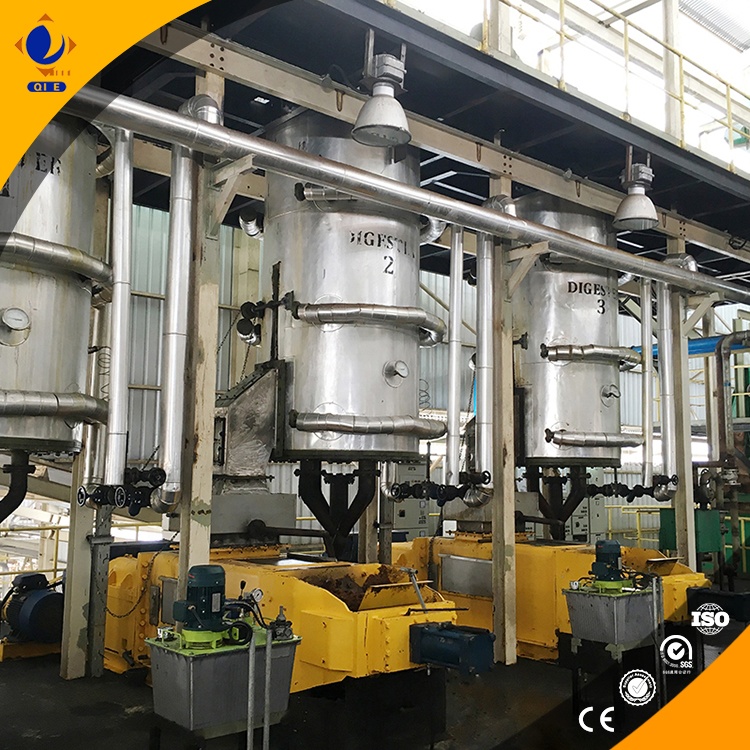
Semi-Continuous Systems: For mid-sized operations (5–20 tons/day), this hybrid approach balances automation and control. You’ll see improved consistency in free fatty acid levels (typically below 0.5%) and reduced downtime between batches. These systems are especially popular among cooperatives in India and Vietnam due to their moderate investment (~$50k–$120k) and scalability.
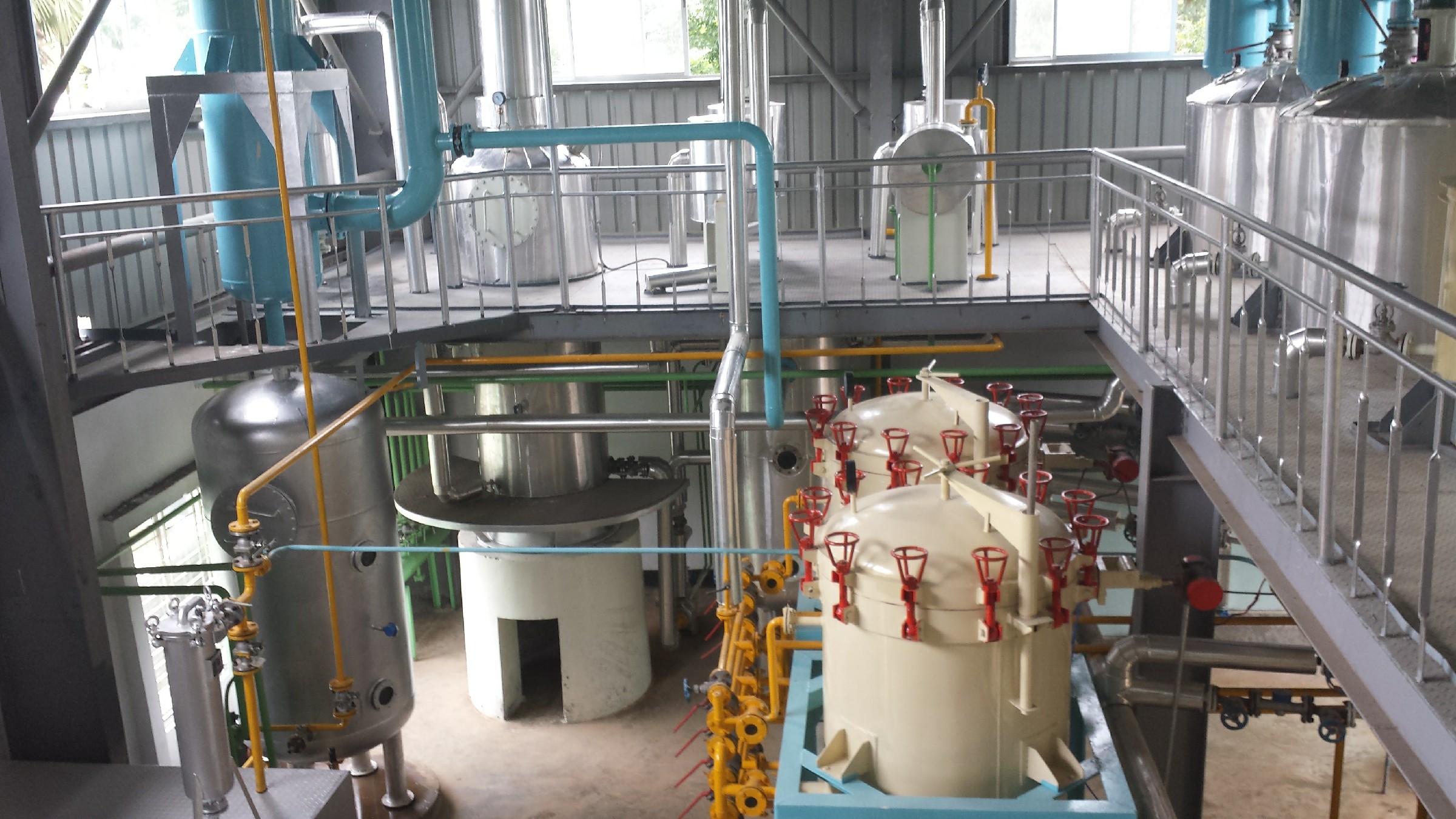
Continuous Refining Lines: Designed for large factories (>20 tons/day), these fully automated lines ensure stable quality, energy savings (~15% less steam usage), and minimal human intervention. Companies like those in Argentina and China report up to 98% uptime when properly maintained — making them ideal for export-focused processors targeting EU or GCC standards.
Don’t just pick based on capacity — consider:
Even the best machines fail without proper care. Experts recommend:
Real-world example: A Malaysian oil mill increased its annual throughput by 18% after implementing a preventive maintenance schedule using our free checklist — available upon request.
Here’s what most users encounter within the first year:
| Issue | Likely Cause | Quick Fix |
|---|---|---|
| High FFA Levels | Inconsistent alkali dosing | Calibrate metering pumps monthly |
| Oil Color Darkening | Overheating during bleaching | Check vacuum pump efficiency |
Pro Tip: Keep a logbook — it helps identify patterns early and reduces costly breakdowns.
We’ve helped over 120 global clients—from Ethiopia to Uruguay—optimize their refining processes. Let us tailor a solution that matches your scale, goals, and market demands.
Get Your Free Refining System Assessment.jpg?x-oss-process=image/resize,h_300,m_lfit/format,webp)
 464
|
464
|
 Soybean Oil Press
South American Oils and Fats Enterprises
Efficient production
Soybean Oil Press
South American Oils and Fats Enterprises
Efficient production
 486
|
soybean oil flavor
nutritional advantages
food quality
healthy cooking
486
|
soybean oil flavor
nutritional advantages
food quality
healthy cooking
.jpg?x-oss-process=image/resize,h_300,m_lfit/format,webp) 222
|
Soybean Oil Mill
Soybean Oil Press Machine
High Yield Soybean Oil Mill
Cost-Effective Soybean Oil Production
Automatic Soybean Oil Mills
Versatile Soybean Oil Mill
Sustainable Soybean Oil Extraction
Soybean Oil Mill for Animal Feed
Industrial Soybean Oil Production
Soybean Oil Mill Applications
222
|
Soybean Oil Mill
Soybean Oil Press Machine
High Yield Soybean Oil Mill
Cost-Effective Soybean Oil Production
Automatic Soybean Oil Mills
Versatile Soybean Oil Mill
Sustainable Soybean Oil Extraction
Soybean Oil Mill for Animal Feed
Industrial Soybean Oil Production
Soybean Oil Mill Applications
 124
|
soybean oil press machine
advantages over competitors
oil extraction technology
124
|
soybean oil press machine
advantages over competitors
oil extraction technology
 232
|
multi-functional peanut oil refining equipment
food safety compliant peanut oil processor
refining equipment for various scale oil mills
232
|
multi-functional peanut oil refining equipment
food safety compliant peanut oil processor
refining equipment for various scale oil mills