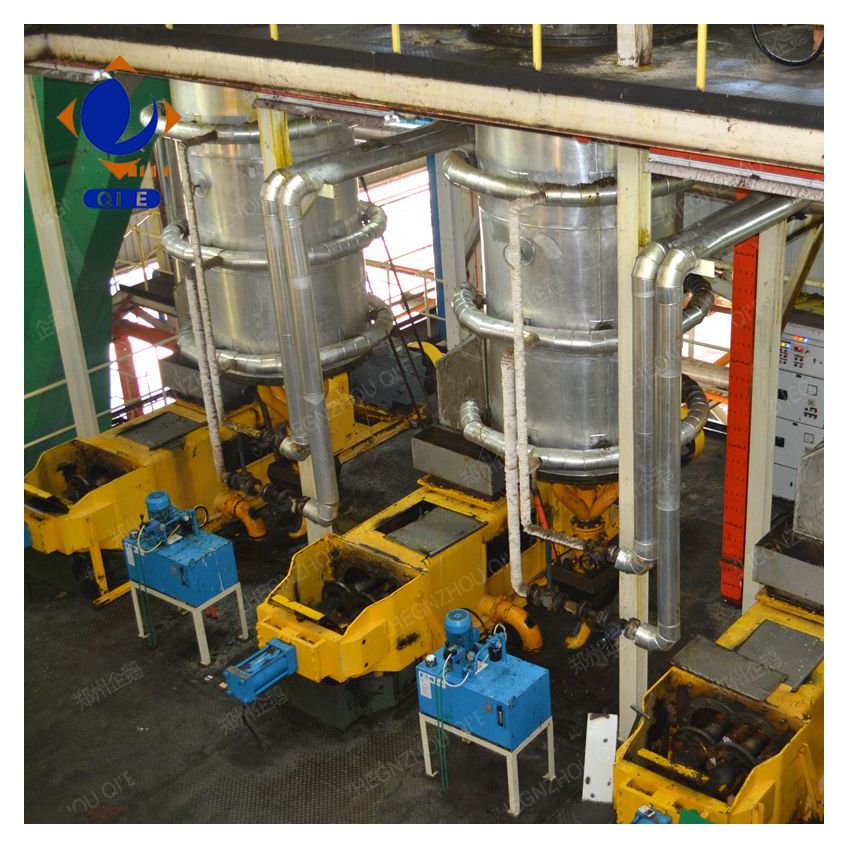
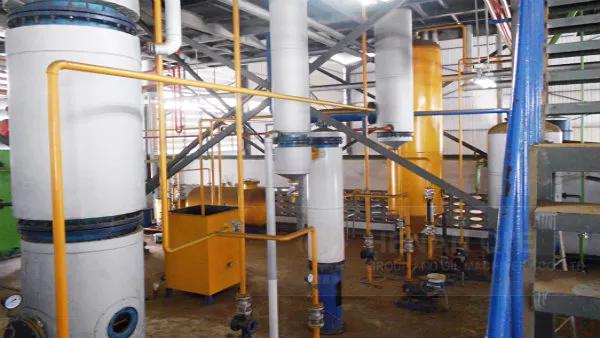
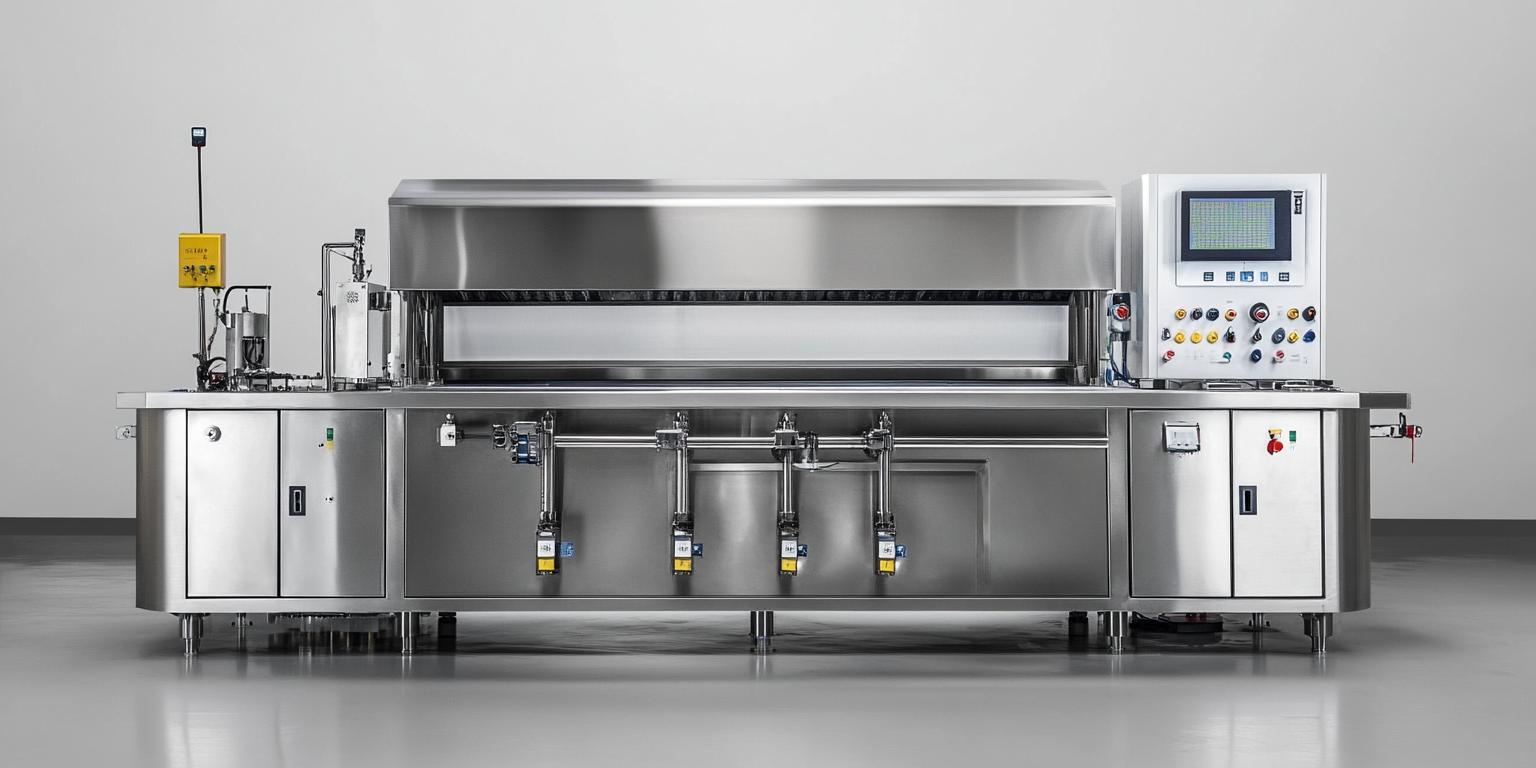
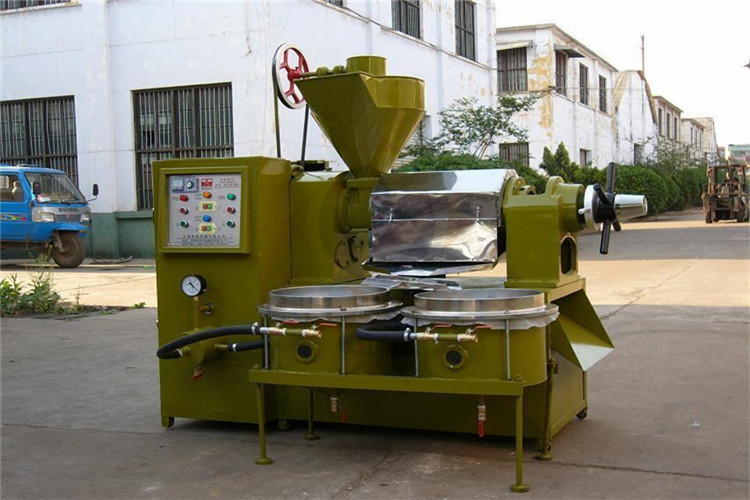
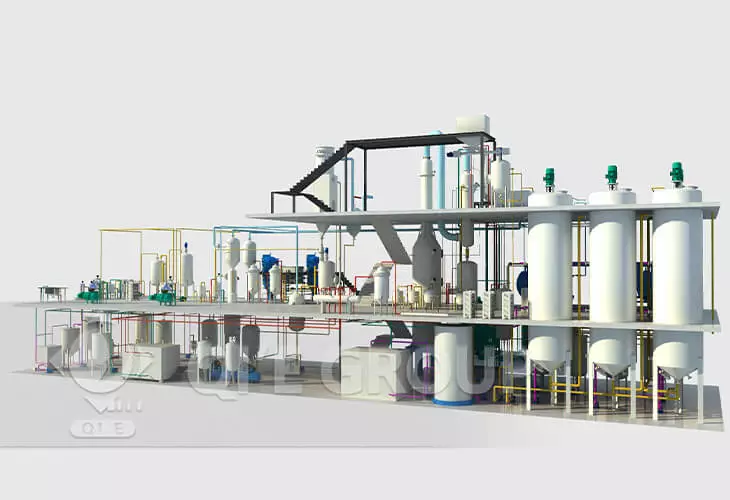
Selecting the right soybean oil refining equipment is a critical decision that impacts your production efficiency, product quality, and long-term profitability. Whether you're a startup aiming for scalability or an established processor optimizing operations, understanding the differences between batch, semi-continuous, and continuous systems can guide you toward the best fit.
According to industry data from the International Association of Oilseed Processors (IAOP), over 60% of small-to-mid-scale producers initially choose batch systems due to lower upfront costs and easier operation. However, as daily output increases beyond 10–15 tons, automation becomes essential—and that’s where semi-continuous and continuous systems shine.
A study published in Food Engineering Review found that continuous systems reduce maintenance time by 25% compared to batch units—thanks to fewer start-stop cycles and integrated diagnostics. Meanwhile, semi-continuous setups offer a balanced approach: they’re easier to maintain than full continuous lines while still delivering significant improvements over batch processing.
Common issues like temperature fluctuations or pressure drops are more frequent in batch systems. In contrast, continuous systems often feature real-time monitoring via PLC controls—a key factor in maintaining compliance with EU and US FDA standards.
Proper installation is crucial across all types. Ensure foundation stability, correct piping alignment, and proper grounding for electrical components. For new users, we recommend starting with a pilot run using 70% capacity to fine-tune parameters before scaling up.
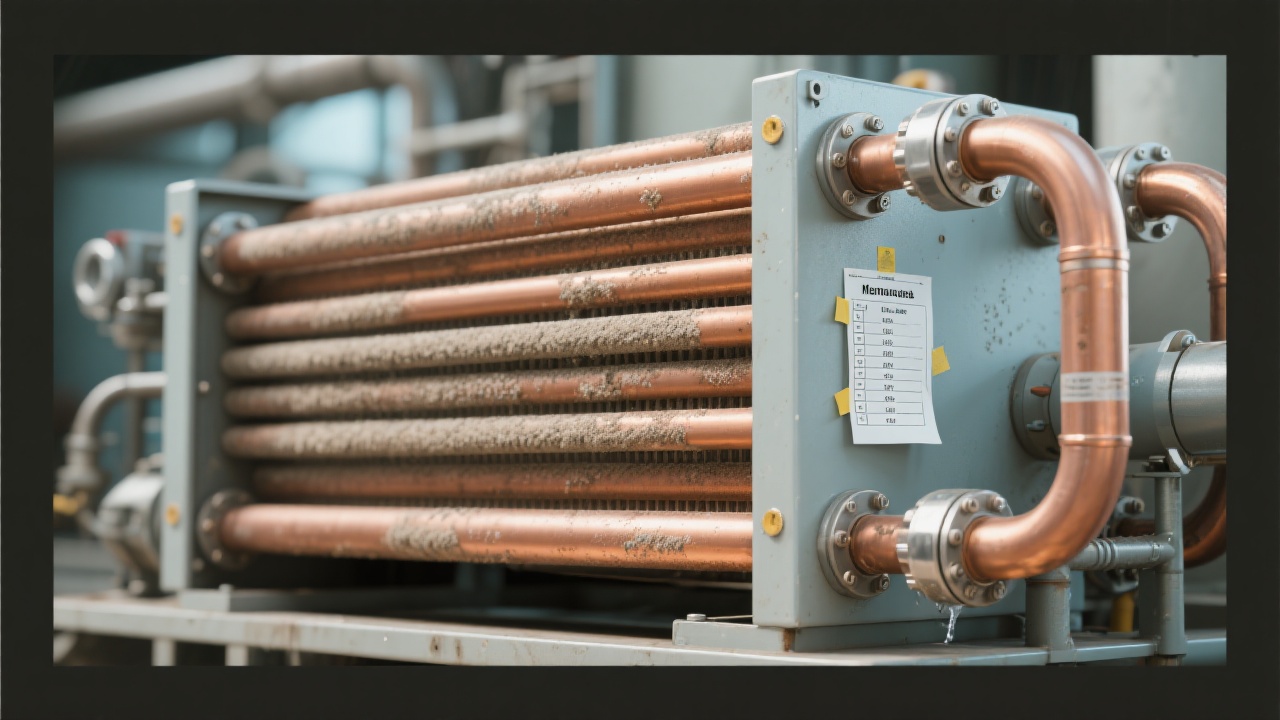
If you notice foaming during neutralization or inconsistent free fatty acid levels, check for improper mixing ratios or clogged filters—common in semi-continuous setups if not cleaned weekly. Regular calibration of sensors ensures accuracy in both temperature and flow rate control.
In Brazil, where soybean oil production exceeds 6 million metric tons annually, over 70% of large processors now use fully continuous refining lines—not just for volume, but for compliance with ISO 22000 food safety standards.
Whether you're building a new facility or upgrading existing machinery, choosing the right system isn't just about capacity—it's about future-proofing your business. With the right selection, you’ll improve yield consistency, reduce waste, and meet international buyer expectations for quality and traceability.
Explore our range of professional-grade soybean oil refining solutions designed for global manufacturers—from scalable semi-continuous units to fully automated continuous systems.
Get a Customized Refining Solution Now
 228
|
228
|
 Palm acid oil refining equipment
Energy-efficient environmental technology
Fully automated PLC control system
Palm oil processing
Production cost reduction
Palm acid oil refining equipment
Energy-efficient environmental technology
Fully automated PLC control system
Palm oil processing
Production cost reduction
 465
|
soybean oil press machine
production scale
small-scale
integrated press
large-scale
screw oil press
hydraulic press
465
|
soybean oil press machine
production scale
small-scale
integrated press
large-scale
screw oil press
hydraulic press
 391
|
soybean oil factory
multi-step production process
soybean oil production
oil yield
efficient oil extraction
391
|
soybean oil factory
multi-step production process
soybean oil production
oil yield
efficient oil extraction
 263
|
soybean oil factory
soybean oil press machine
soybean oil production
soybean oil extraction
high-quality soybean oil
soybean oil refining
small-scale soybean oil factory
industrial soybean oil applications
soybean meal yield
soy lecithin processing
263
|
soybean oil factory
soybean oil press machine
soybean oil production
soybean oil extraction
high-quality soybean oil
soybean oil refining
small-scale soybean oil factory
industrial soybean oil applications
soybean meal yield
soy lecithin processing
 488
|
soybean oil mill
multi - functional oil production equipment
customizable oil mill solutions
oilseed processing equipment
customized oil production equipment
488
|
soybean oil mill
multi - functional oil production equipment
customizable oil mill solutions
oilseed processing equipment
customized oil production equipment