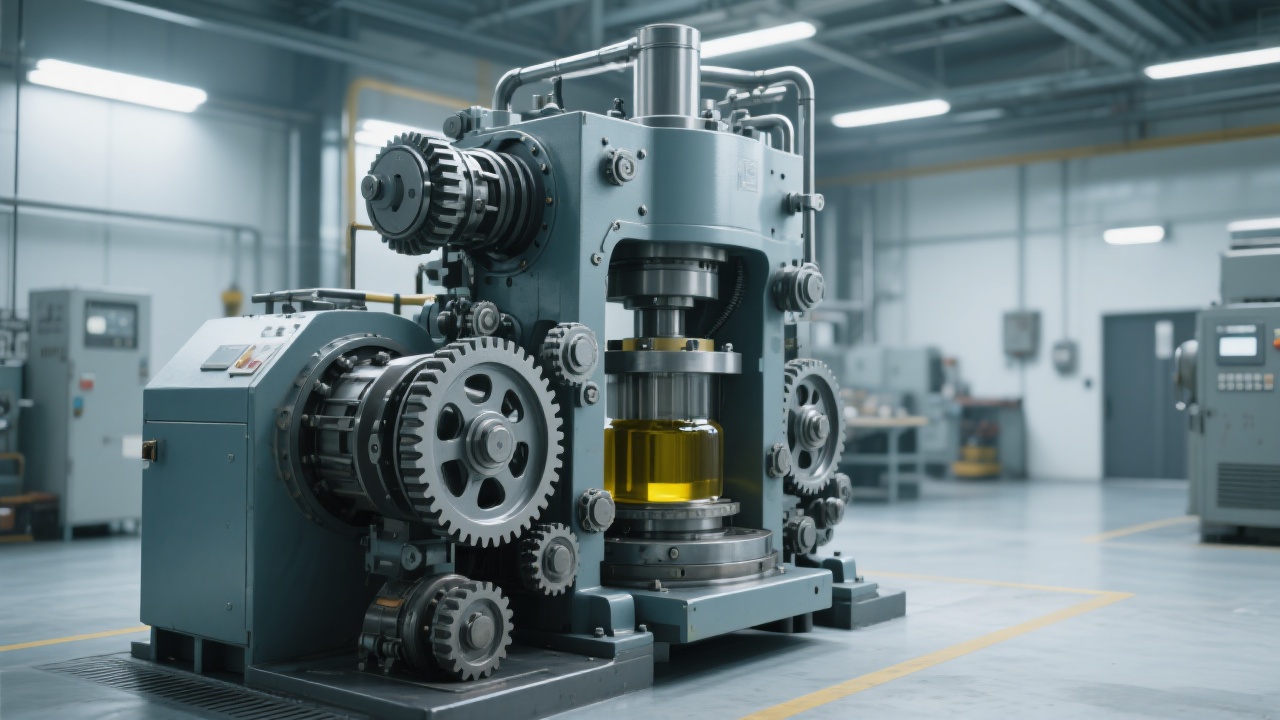
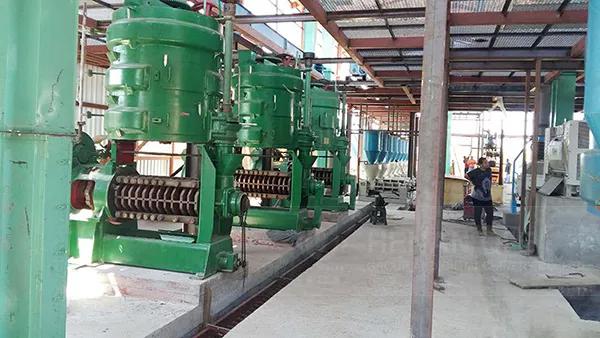
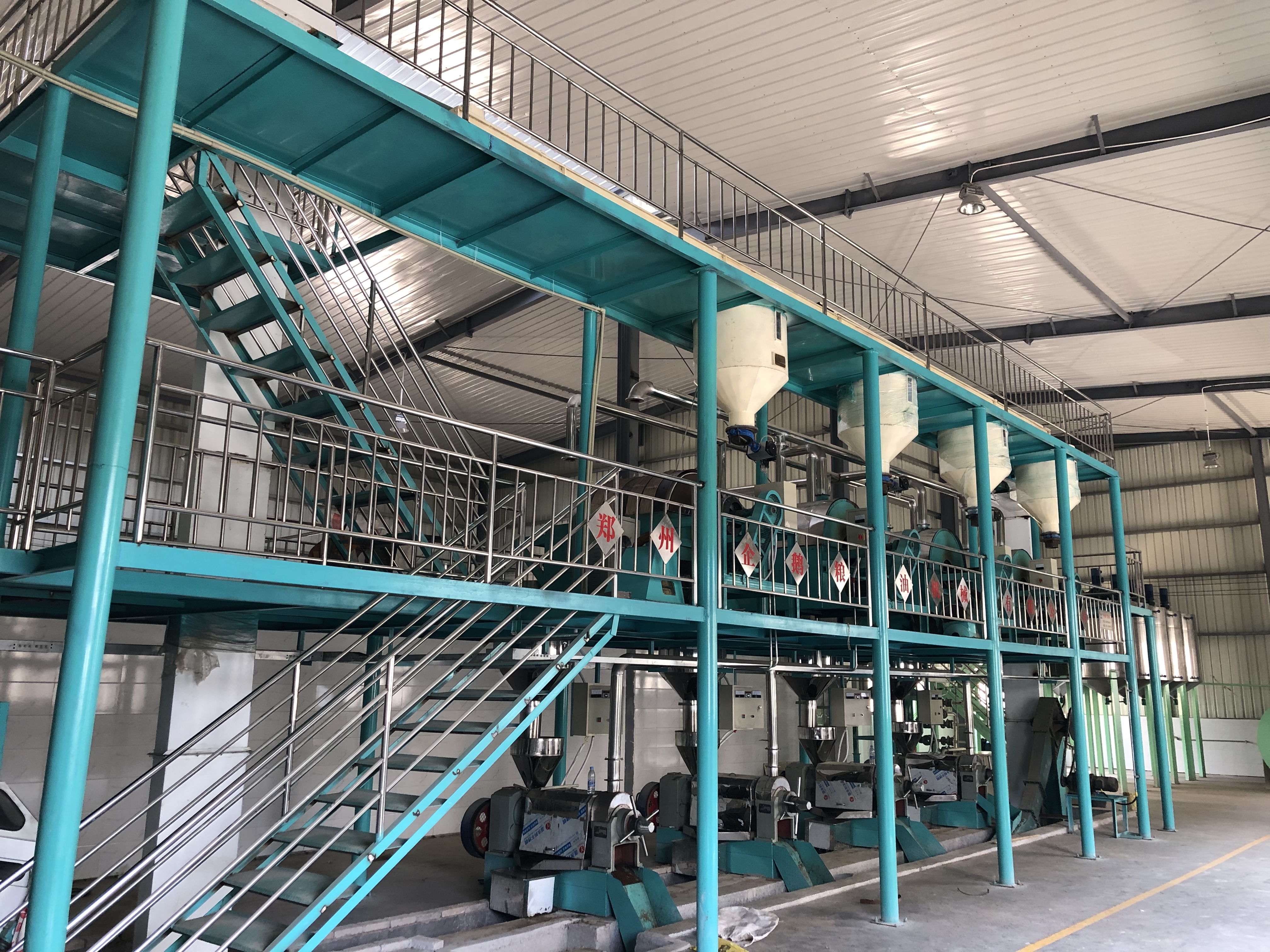
Efficient soybean oil refining is pivotal for producers striving for superior product quality and operational stability. Selecting the appropriate refining machine—whether batch, semi-continuous, or continuous—can significantly influence production throughput, automation levels, and capital investment. This article delves into the nuances of different refining systems, backed by real-world overseas customer success stories, empowering soybean oil processors of all scales to make informed equipment decisions aligned with their specific production needs.
Refining systems for soybean oil vary substantially by scale and operational mode:
Precise equipment selection hinges on a triad of considerations:
Case 1: Brazilian Medium-Sized Batch Operation
A Brazilian oil processor scaled production from 5 to 8 tons/day using a batch refining system. This setup enabled tight quality control with affordable maintenance costs. The client's focus on local specialty oil niches was well supported by flexible batch runs, minimizing raw material waste.
Case 2: Indian Semi-Continuous Refining Upgrade
An established Indian manufacturer increased efficiency by integrating a semi-continuous refining system for 20 tons/day capacity. This resulted in a 25% reduction in processing downtime and a 15% boost in oil yield, driven by automated flow control and improved degumming stages.
Case 3: European Continuous Refining Line
A European bulk oil producer implemented a continuous refining line for 50 tons/day to meet rising export demands. The system's advanced PLC integration and automated monitoring reduced labor costs by 30% and ensured steady compliance with stringent quality standards.
Proper installation is foundational, demanding experienced technicians to calibrate pumps, heaters, and filtration units, guaranteeing operational harmony. Across cases, predictive maintenance protocols—such as scheduled filter replacements and sensor diagnostics—have diminished unplanned downtime by up to 20%.
Operators are advised to maintain comprehensive logs for troubleshooting. Typical fault indicators include temperature deviations, abnormal pressure readings, and unexpected oil discoloration. These signs, if promptly addressed, prevent prolonged production interruptions.
To enhance online discoverability, integrating keywords such as “soybean oil refining machine,” “batch refining system,” “continuous oil refining,” “oil refinery equipment selection,” and “soybean oil processing guide” is essential. These terms align with prevalent search intents from decision-makers seeking scalable refining solutions.
In summary, understanding the scale and automation needs, coupled with budget assessments, empowers soybean oil producers to select refining equipment that enhances operational efficiency. Real-world customer experiences across Brazil, India, and Europe illustrate that tailoring machine choices to market demand and production goals is key to sustainable success.

 241
|
241
|
 Soybean Oil Press
South American Market
Small and medium-sized oil and fat enterprises
Soybean Oil Press
South American Market
Small and medium-sized oil and fat enterprises
 191
|
soybean oil press machines
small scale oil extraction
industrial oil processing
191
|
soybean oil press machines
small scale oil extraction
industrial oil processing
 391
|
soybean oil factory
multi-step production process
soybean oil production
oil yield
efficient oil extraction
391
|
soybean oil factory
multi-step production process
soybean oil production
oil yield
efficient oil extraction
 38
|
Cold-pressed soybean oil
Advantages of hydraulic oil presses
Comparison of hot pressing processes
High-end edible oil equipment
Oil press selection guide
196
|
Soyabean Refined Oil Making Machine
Soybean Oil Press Machine
Batch Oil Refinery Machine
Continuous Oil Refinery Machine
Semi-Automatic Refinery Machine
Mini Oil Refinery Machine
Refined Soybean Oil Production
High-Quality Refined Oil
Oil Refining Equipment
Vegetable Oil Refinement
38
|
Cold-pressed soybean oil
Advantages of hydraulic oil presses
Comparison of hot pressing processes
High-end edible oil equipment
Oil press selection guide
196
|
Soyabean Refined Oil Making Machine
Soybean Oil Press Machine
Batch Oil Refinery Machine
Continuous Oil Refinery Machine
Semi-Automatic Refinery Machine
Mini Oil Refinery Machine
Refined Soybean Oil Production
High-Quality Refined Oil
Oil Refining Equipment
Vegetable Oil Refinement