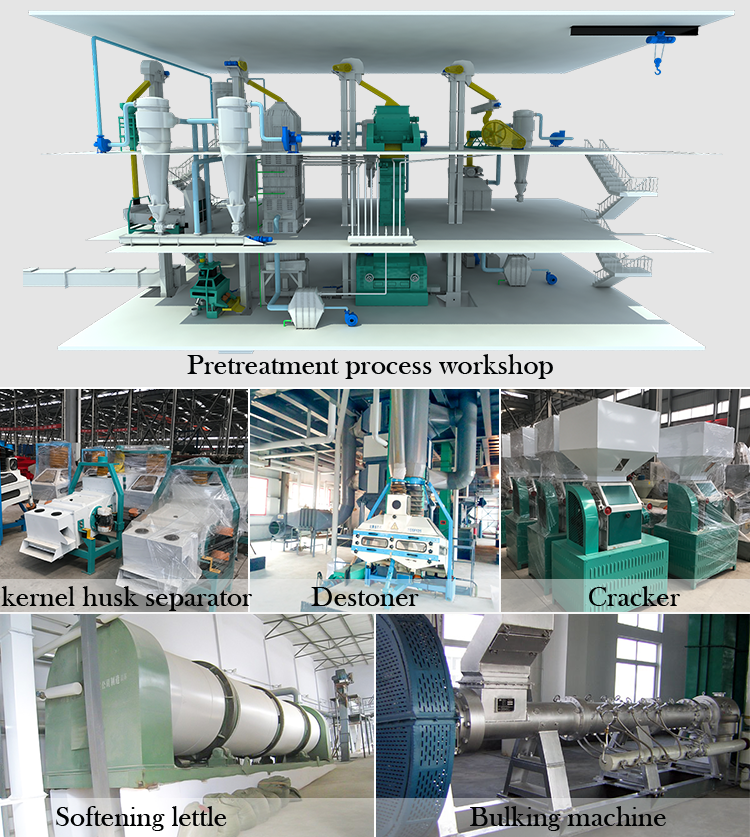
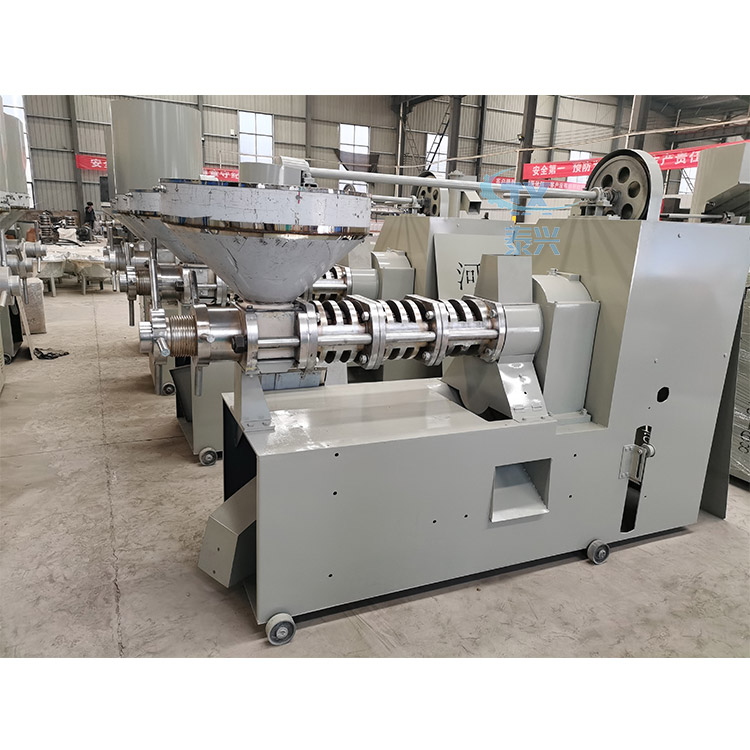
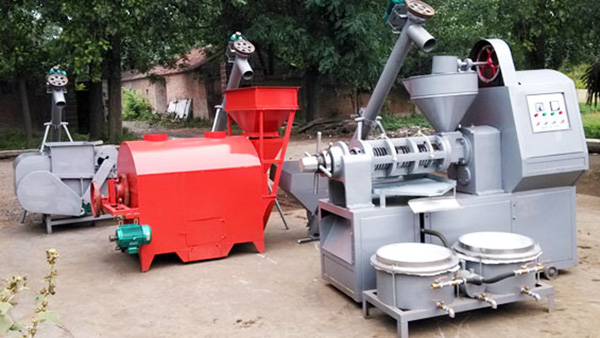
Soybean oil refining is a sophisticated process critical to ensuring the oil’s quality, stability, and consumer acceptance. From removing free fatty acids and phospholipids to eliminating color pigments, each step demands precise control and optimized technology. This guide delves into the core technical points and hands-on practices across batch, semi-continuous, and continuous refining systems, empowering oil processors and R&D teams to refine at peak efficiency and meet evolving industry standards.
The refining objective is to produce a neutral, clear, and stable edible oil while maximizing oil yield. Primary impurities such as free fatty acids (FFAs), phospholipids (lecithins), pigments, and trace contaminants adversely impact flavor, color, and shelf life. The refining process targets these through:
The initial neutralization step requires maintaining a stable temperature between 70°C and 80°C to optimize caustic soda reaction kinetics. This ensures thorough saponification of FFAs while preserving oil yield. Over-alkalization risks soap formation that hampers downstream separation.
Degumming typically employs water or acid treatment to hydrate and precipitate phospholipids. Precise control of temperature (60-70°C) and agitation intensity guarantees maximal removal rates, often achieving over 90% phospholipid extraction in continuous systems with automated dosing.
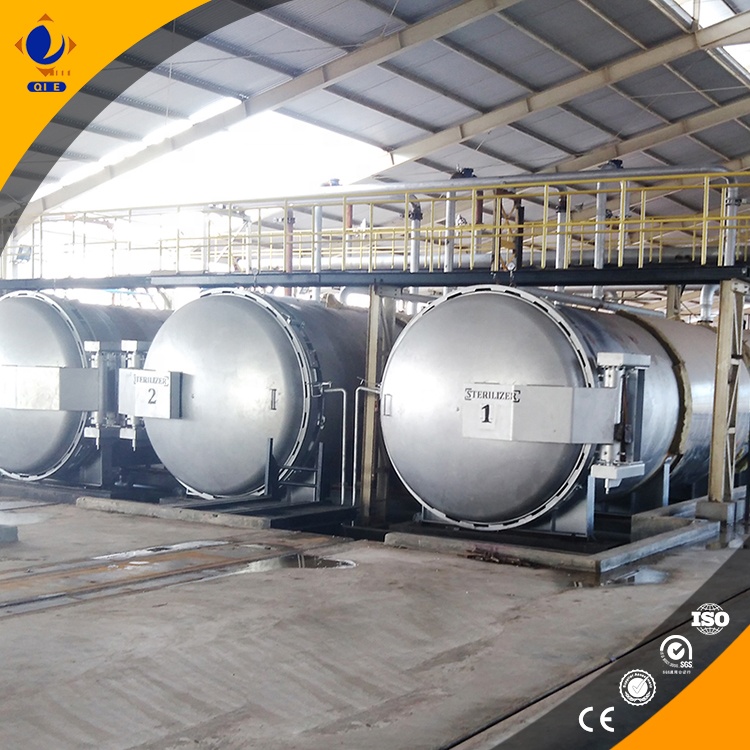
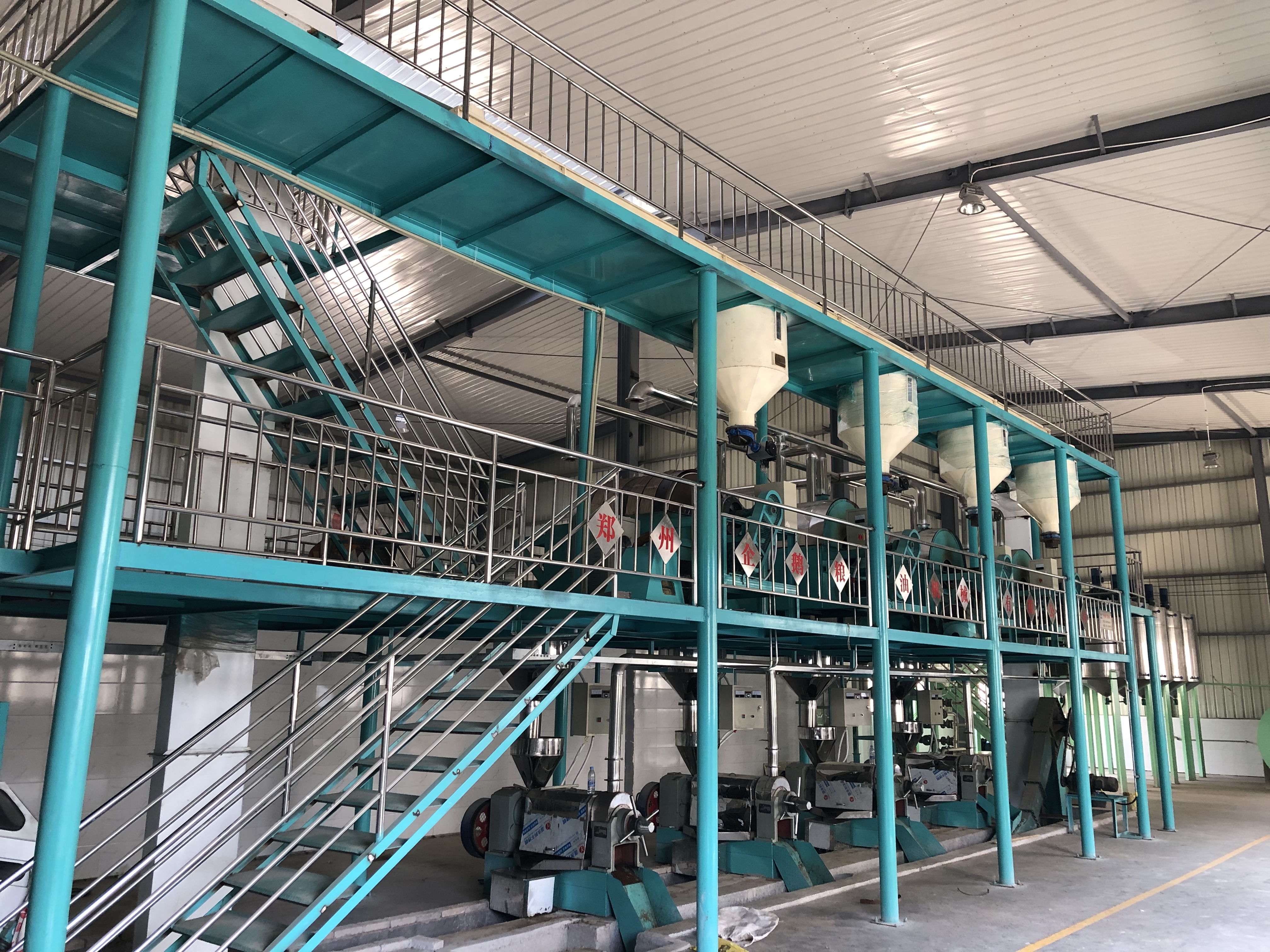
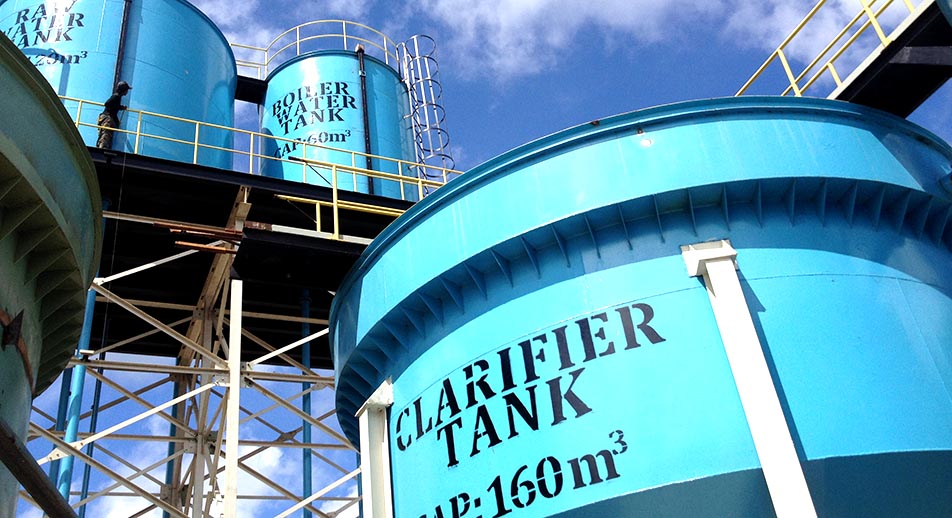
Soybean oil refining plants vary by throughput, automation, and complexity. Understanding these differences enables optimal system selection tailored to production scale and product goals:
| Refining System | Processing Capacity (tons/day) | Automation Level | Typical Use Case |
|---|---|---|---|
| Batch Refining | Up to 10 | Low (manual control) | Small-scale / specialty oils |
| Semi-Continuous | 10 - 50 | Moderate (process integration) | Medium-scale production with flexibility |
| Continuous Refining | 50+ | High (automated control & monitoring) | Large-scale, consistent quality & throughput |
Temperature stability is crucial throughout the process, with optimal ranges maintaining enzyme inactivity and maximizing impurity removal:
Precise caustic soda dosing is critical. Excessive caustic leads to high soap stocks and oil losses, while insufficient dosing underperforms in acidity reduction. Continuous meshing of dosing data with real-time sensor readings via SCADA systems is a current industry best practice.
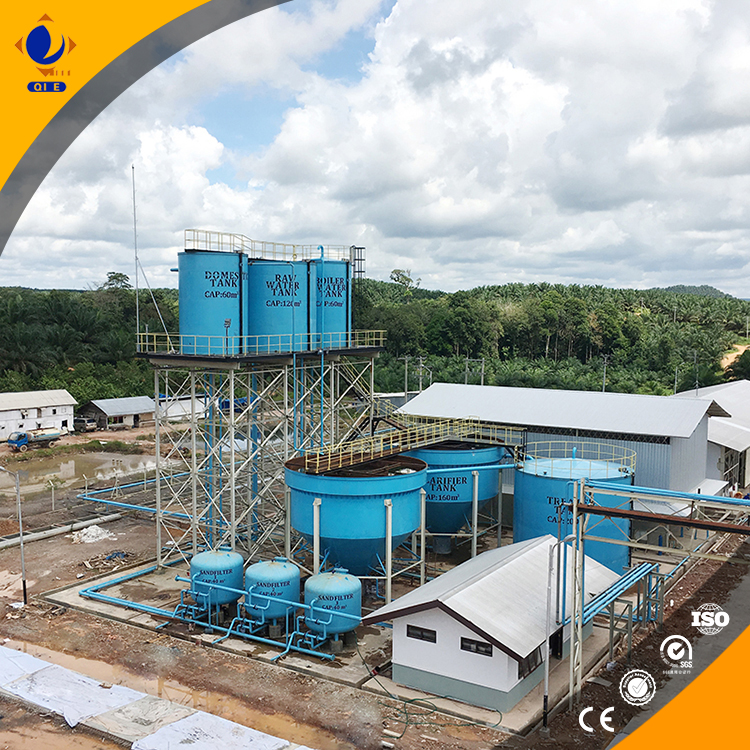
Modern refining equipment integrates features to minimize environmental impact and enhance operator safety. Key measures include:
Compliance with local and international standards such as ISO 22000 and EPA guidelines ensures sustainable production and market acceptance.
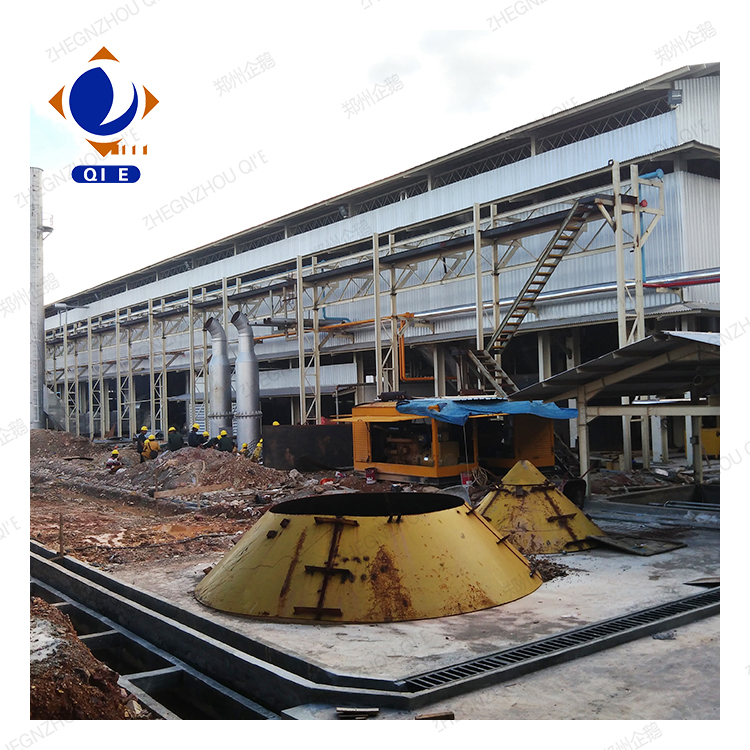
A leading edible oil producer recently transitioned from a semi-continuous to a fully continuous refining system. This upgrade increased throughput by 40%, reduced energy consumption by 20%, and improved oil clarity and odor metrics by significant margins. Their experience highlights the advantages of investing in advanced process controls, adaptive dosing algorithms, and integrated quality monitoring.
Ready to elevate your soybean oil refining process? Discover Our Advanced Oil Refining Equipment & Tailored Technical Support

 57
|
57
|
 soybean meal export
soybean meal quality standards
soybean meal transportation
soybean meal storage
soybean meal customer acceptance
soybean meal export
soybean meal quality standards
soybean meal transportation
soybean meal storage
soybean meal customer acceptance
 102
|
soybean oil press troubleshooting
oil press maintenance tips
oil extraction efficiency improvement
soybean cake discharge blockage
oil press abnormal noise
102
|
soybean oil press troubleshooting
oil press maintenance tips
oil extraction efficiency improvement
soybean cake discharge blockage
oil press abnormal noise
 390
|
soybean oil factory
multi-step production process
soybean oil production
oil yield
efficient oil extraction
390
|
soybean oil factory
multi-step production process
soybean oil production
oil yield
efficient oil extraction
 425
|
Soybean Oil Press
African Market
Small and Medium Enterprises
425
|
Soybean Oil Press
African Market
Small and Medium Enterprises
 231
|
multi-functional peanut oil refining equipment
food safety compliant peanut oil processor
refining equipment for various scale oil mills
231
|
multi-functional peanut oil refining equipment
food safety compliant peanut oil processor
refining equipment for various scale oil mills