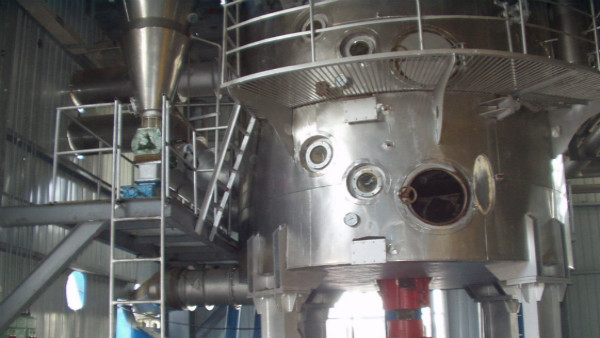
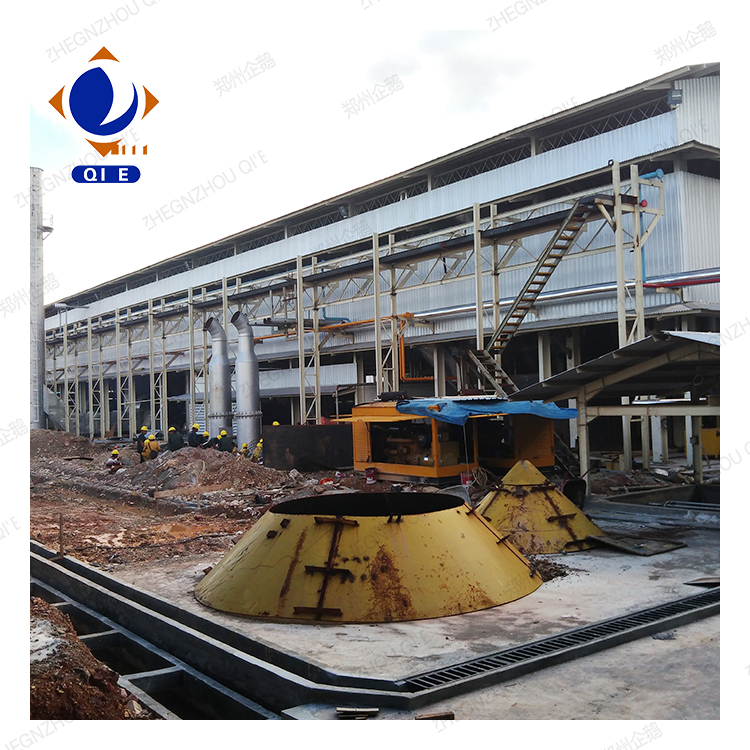
In the highly competitive edible oil market, ensuring the quality, shelf - life, and taste of soybean oil is crucial for manufacturers. This article delves into a typical case of a soybean oil refining plant, exploring how process optimization can effectively address these concerns. By examining the full - scale refining process, from crude oil pretreatment to final packaging, this analysis offers practical insights for industry professionals and decision - makers.
To understand the soybean oil refining process, it's essential to first grasp the key indicators that affect oil quality. These include acid value, peroxide value, color, and odor. A high acid value indicates a higher level of free fatty acids, which can lead to a shorter shelf - life and a rancid taste. The peroxide value reflects the degree of oxidation, another factor that impacts both shelf - life and taste.
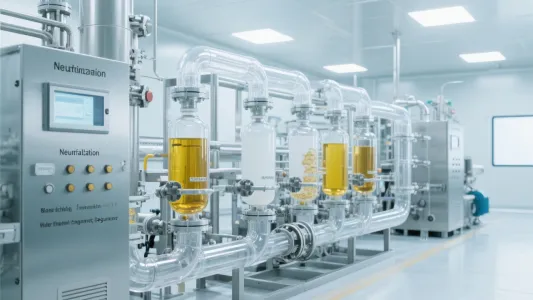
The basic refining steps typically start with degumming, where phospholipids and other impurities are removed from the crude oil. This is followed by neutralization, which reduces the acid value by reacting with free fatty acids. Bleaching is then carried out to remove pigments, and deodorization eliminates unpleasant odors and flavors. Each step plays a vital role in improving the quality of soybean oil.
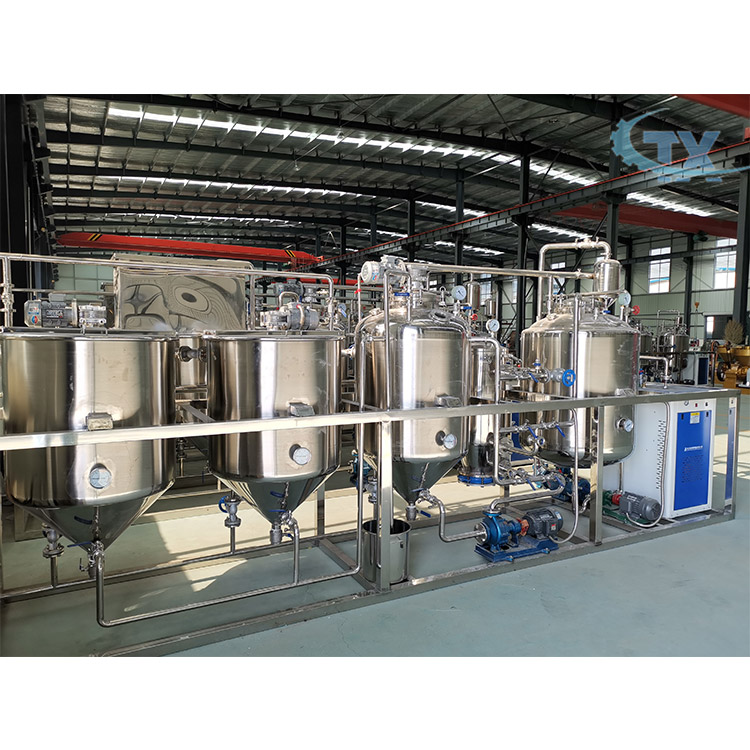
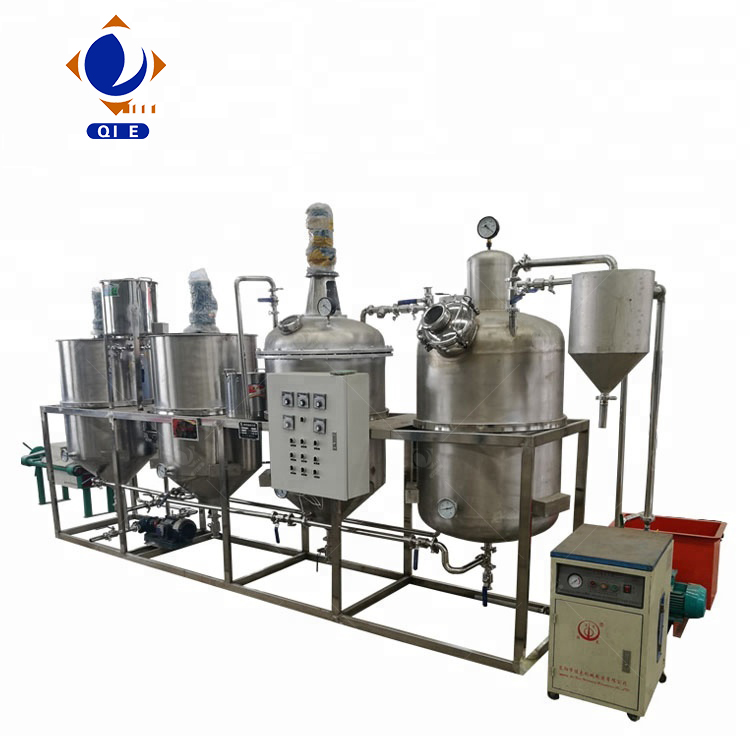
In actual production, different refining systems are employed, each with its own advantages and challenges. Batch refining systems are suitable for small - scale production. They offer flexibility, allowing for easy adjustment of the refining process according to different raw materials. However, they are less efficient in terms of labor and energy consumption, with an average production capacity of around 5 - 20 tons per day.
Semi - continuous refining systems strike a balance between flexibility and efficiency. They can handle larger volumes than batch systems, with a production capacity ranging from 20 - 100 tons per day. But they may still face issues such as inconsistent product quality due to manual operation in some steps.
Continuous refining systems are the most efficient for large - scale production, with a production capacity of over 100 tons per day. They ensure high - quality and consistent products through automated control. However, the initial investment is relatively high, and any system failure can lead to significant production losses.
| Refining System | Production Capacity | Advantages | Challenges |
|---|---|---|---|
| Batch | 5 - 20 tons/day | Flexibility | Low efficiency, high labor and energy consumption |
| Semi - continuous | 20 - 100 tons/day | Balance between flexibility and efficiency | Inconsistent product quality |
| Continuous | Over 100 tons/day | High efficiency, consistent product quality | High initial investment, high - risk of system failure |
For batch refining systems, improving automation can significantly reduce labor and energy consumption. For example, by using automated dosing systems for chemicals, the accuracy of the refining process can be improved, leading to better - quality products. In a case study, a small - scale plant that upgraded its batch system with automation reduced its labor cost by 30% and improved product quality consistency by 20%.
To address the issue of inconsistent product quality in semi - continuous systems, real - time monitoring and control technology can be introduced. By installing sensors at key points in the production line, operators can adjust parameters in time to ensure product quality stability. A semi - continuous plant that implemented real - time monitoring saw a 15% improvement in product quality consistency.
For continuous refining systems, preventive maintenance and backup systems are essential to reduce the risk of system failure. A large - scale plant that established a comprehensive preventive maintenance plan reduced its production downtime by 40%.
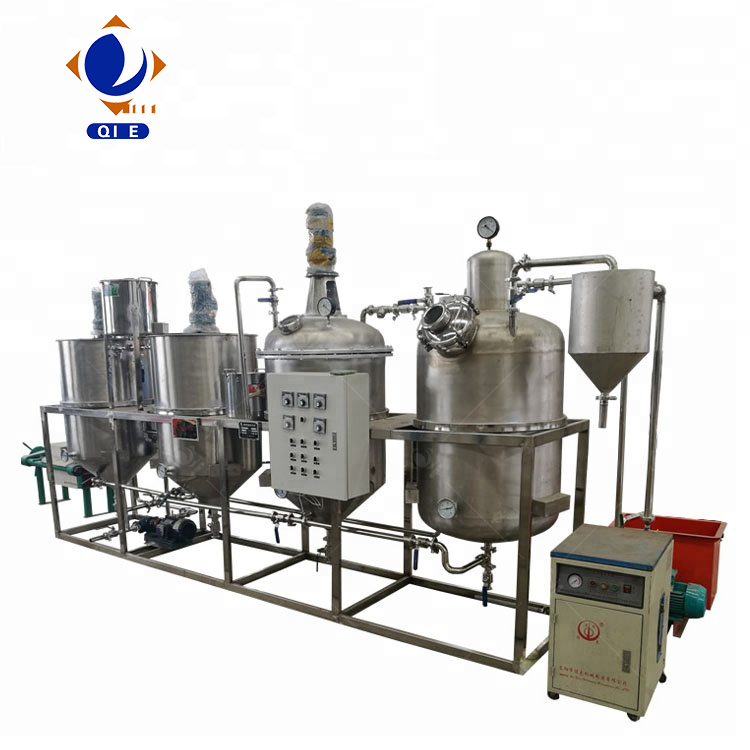
The future of soybean oil refining lies in the application of cutting - edge technologies. Intelligent automation control systems can optimize the entire refining process, from adjusting chemical dosages in real - time to controlling temperature and pressure. This not only improves production efficiency but also ensures high - quality and consistent products. For example, an intelligent automation system can reduce energy consumption by up to 25% and improve product quality consistency by 30%.
Online detection technology allows for real - time monitoring of oil quality indicators during the refining process. This enables immediate adjustment of the refining process, preventing sub - standard products from being produced. With online detection, the rejection rate of products can be reduced by 15%.
"The integration of intelligent automation control and online detection technologies is revolutionizing the soybean oil refining industry. These technologies are not only improving production efficiency but also enhancing product quality, which is crucial for manufacturers to stay competitive in the global market." - Industry Expert
In conclusion, through process optimization, from basic refining steps to the application of advanced technologies, soybean oil manufacturers can significantly extend the shelf - life of their products, improve taste, and enhance market competitiveness. By learning from the experiences in this case study, industry professionals can make informed decisions to upgrade their refining processes.
Discover How Our Solutions Can Optimize Your Soybean Oil Refining Process!
 207
|
207
|
 Soybean Oil Refinery Machine
Soybean Oil Press Machine
Edible Oil Production
Oil Refining Equipment
Biodiesel Production
Soybean Oil Refinery Machine
Soybean Oil Press Machine
Edible Oil Production
Oil Refining Equipment
Biodiesel Production
 159
|
soybean oil press machine
spiral oil press
mechanical oil extraction
soybean processing equipment
export-grade oil press
159
|
soybean oil press machine
spiral oil press
mechanical oil extraction
soybean processing equipment
export-grade oil press
 320
|
["oilseed processing equipment"
"multi-functional soybean oil plant"
"customizable oil plant solution"
"soybean oil production system"
"oilseed processing technology"]
320
|
["oilseed processing equipment"
"multi-functional soybean oil plant"
"customizable oil plant solution"
"soybean oil production system"
"oilseed processing technology"]
 71
|
Soybean oil refining process
Edible oil shelf life extension
Refining equipment selection
Free fatty acid removal
Oil oxidation control
71
|
Soybean oil refining process
Edible oil shelf life extension
Refining equipment selection
Free fatty acid removal
Oil oxidation control
 288
|
soybean oil degumming equipment
soybean oil neutralization tank selection
oil refining equipment by capacity
soybean oil processing technology
efficient oil refining system
288
|
soybean oil degumming equipment
soybean oil neutralization tank selection
oil refining equipment by capacity
soybean oil processing technology
efficient oil refining system