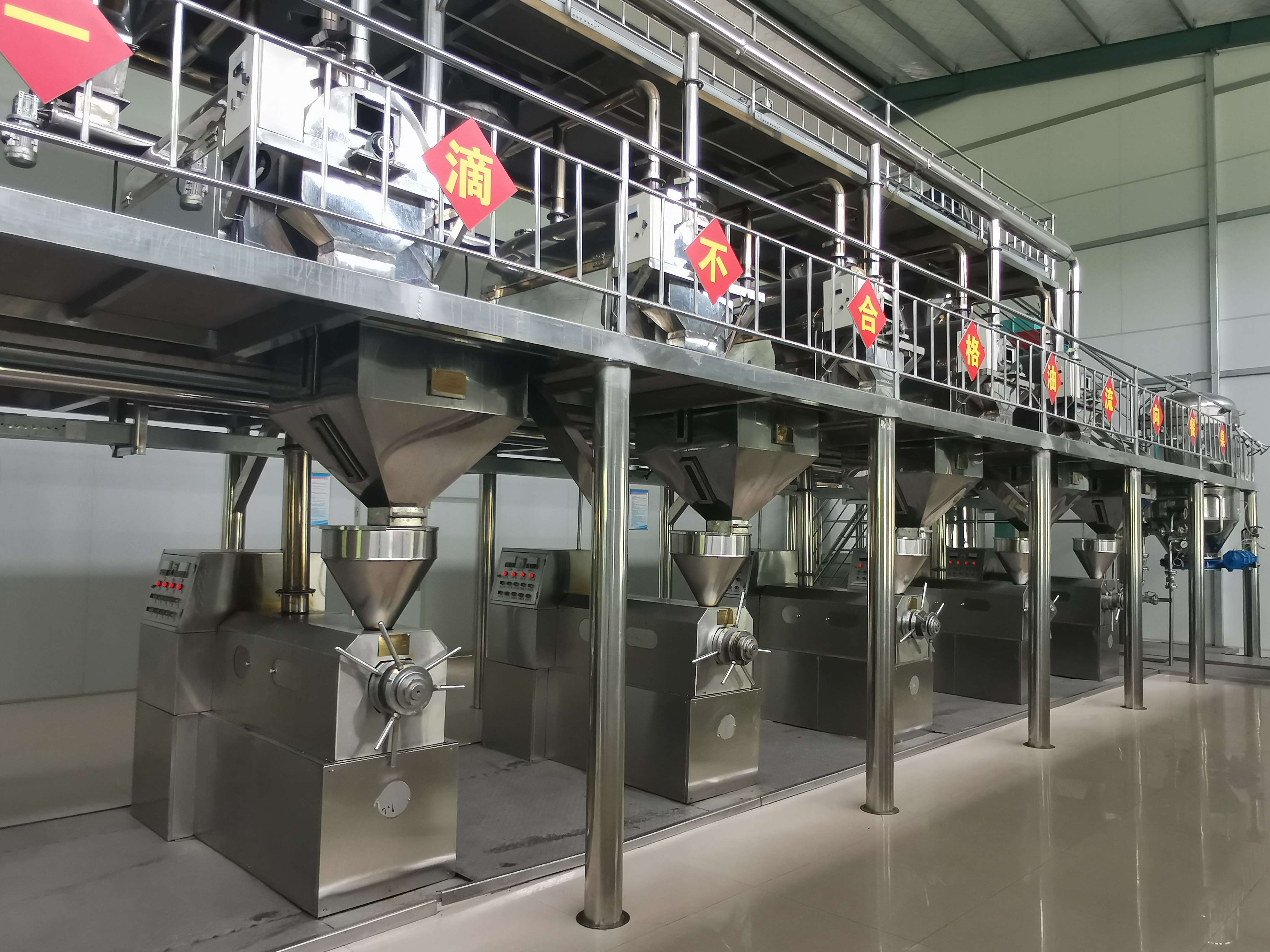
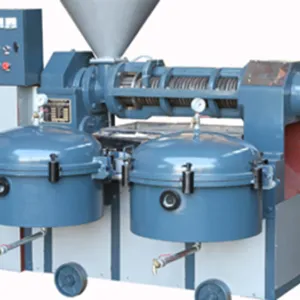
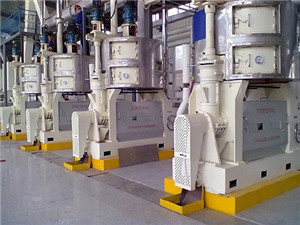
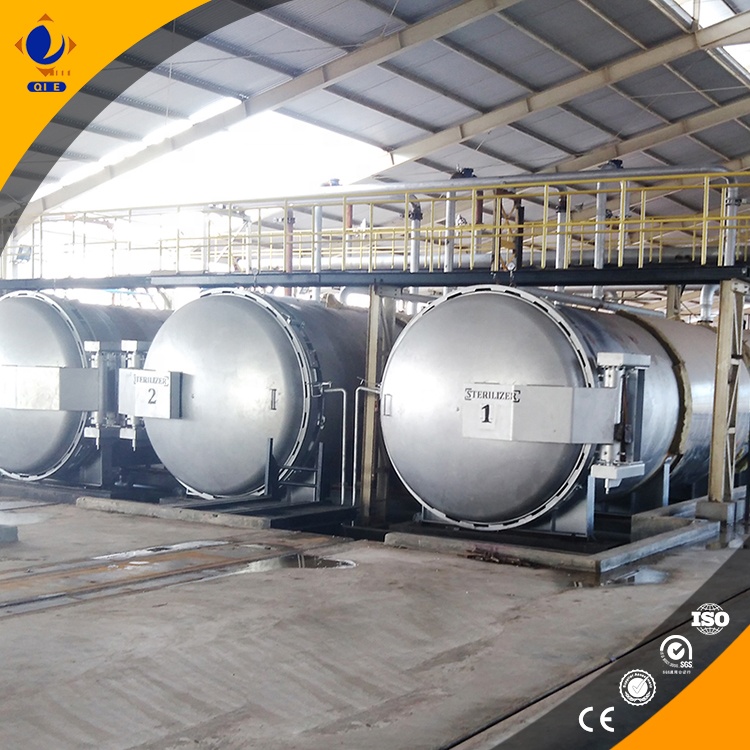
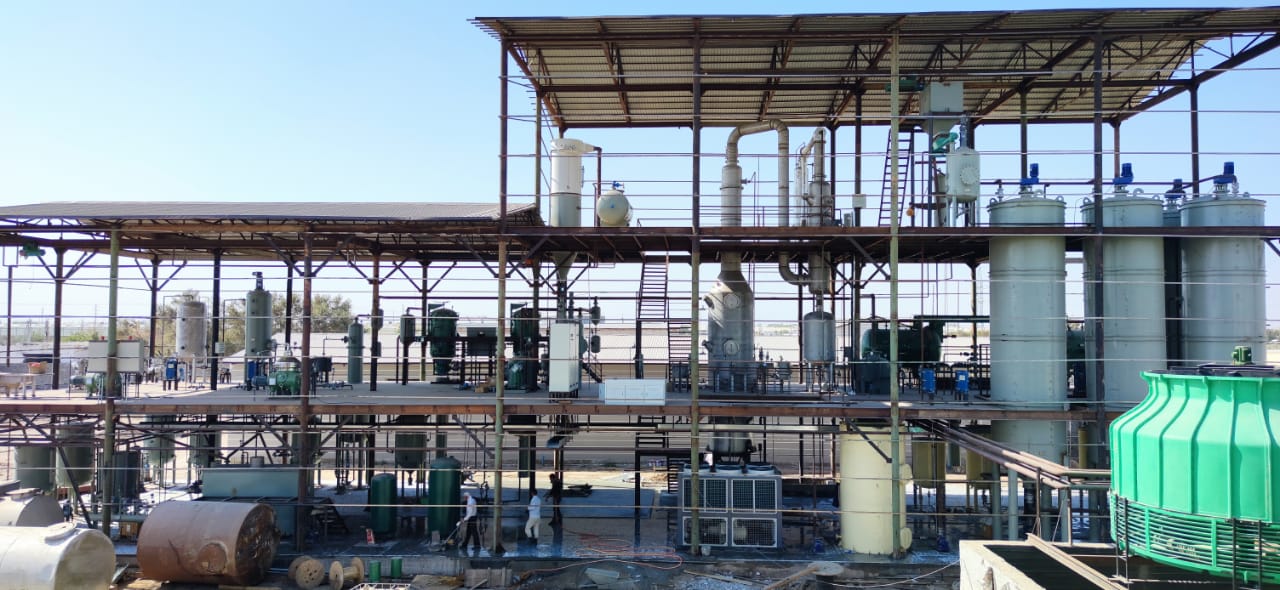
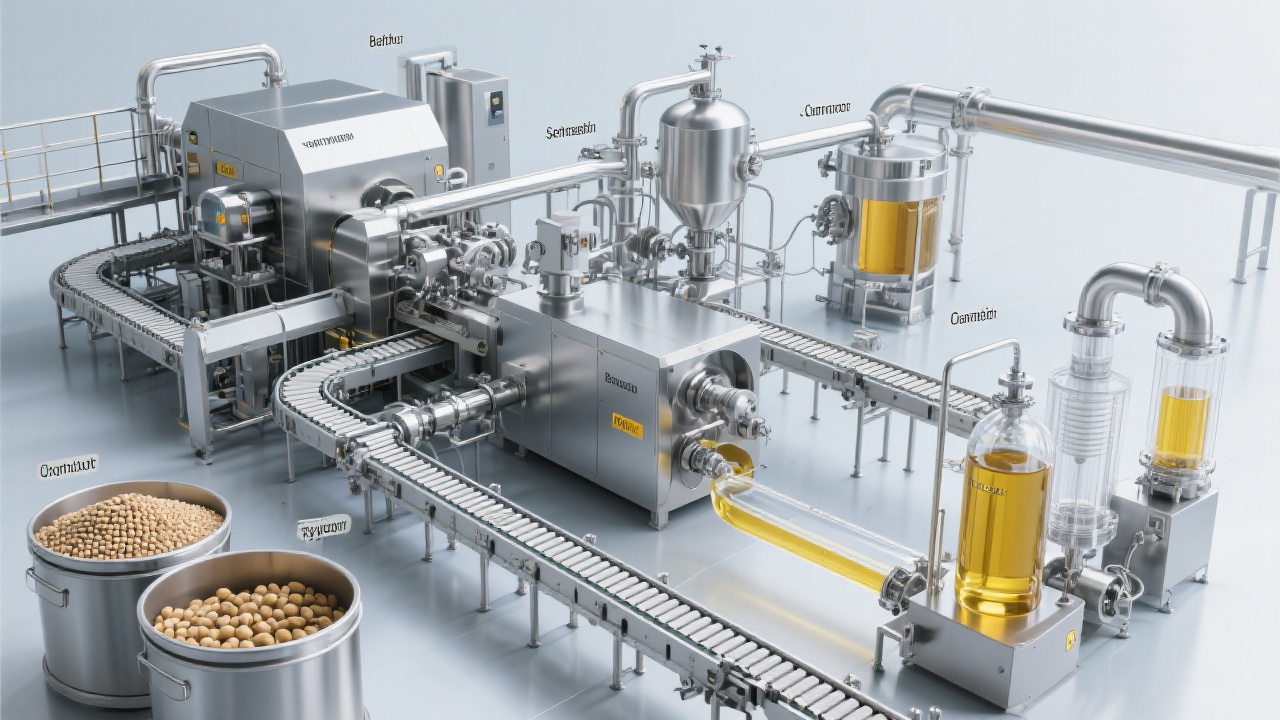
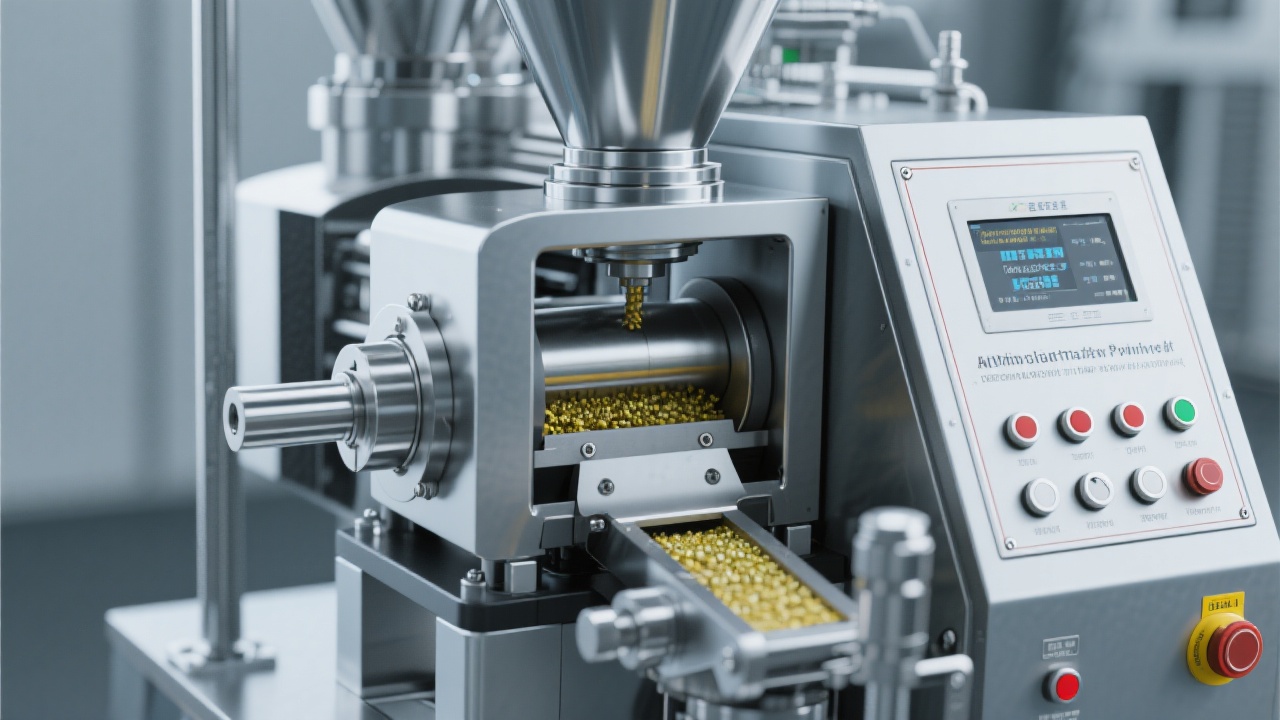
The refining of soybean oil is a meticulous multi-stage process that transforms raw crude oil into a high-quality edible product. This guide provides an in-depth exploration of the entire soybean oil refining workflow, focusing on practical techniques and advanced technologies that enable producers to enhance oil quality, improve production efficiency, and maintain competitive advantage in the global edible oil market.
Raw soybean oil typically contains impurities such as phospholipids, free fatty acids (FFA), pigments, and moisture, which must be efficiently removed. The pretreatment stage includes degumming, neutralization, and bleaching preparation.
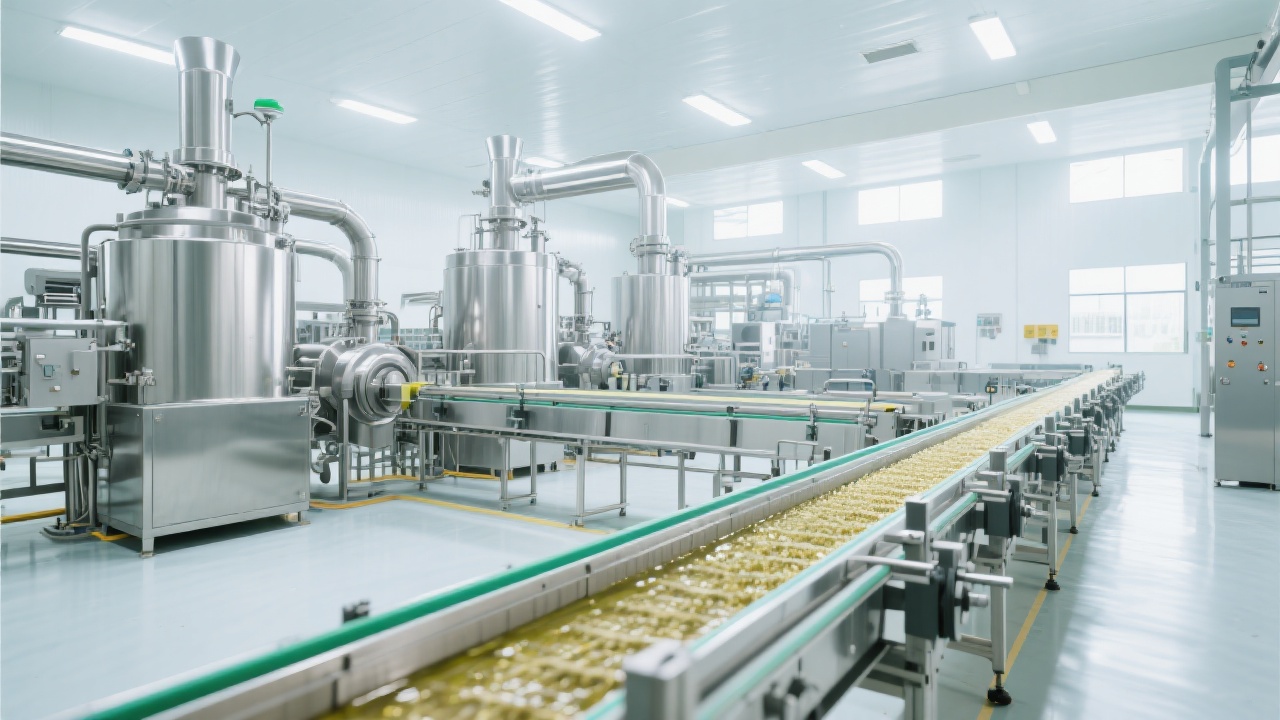
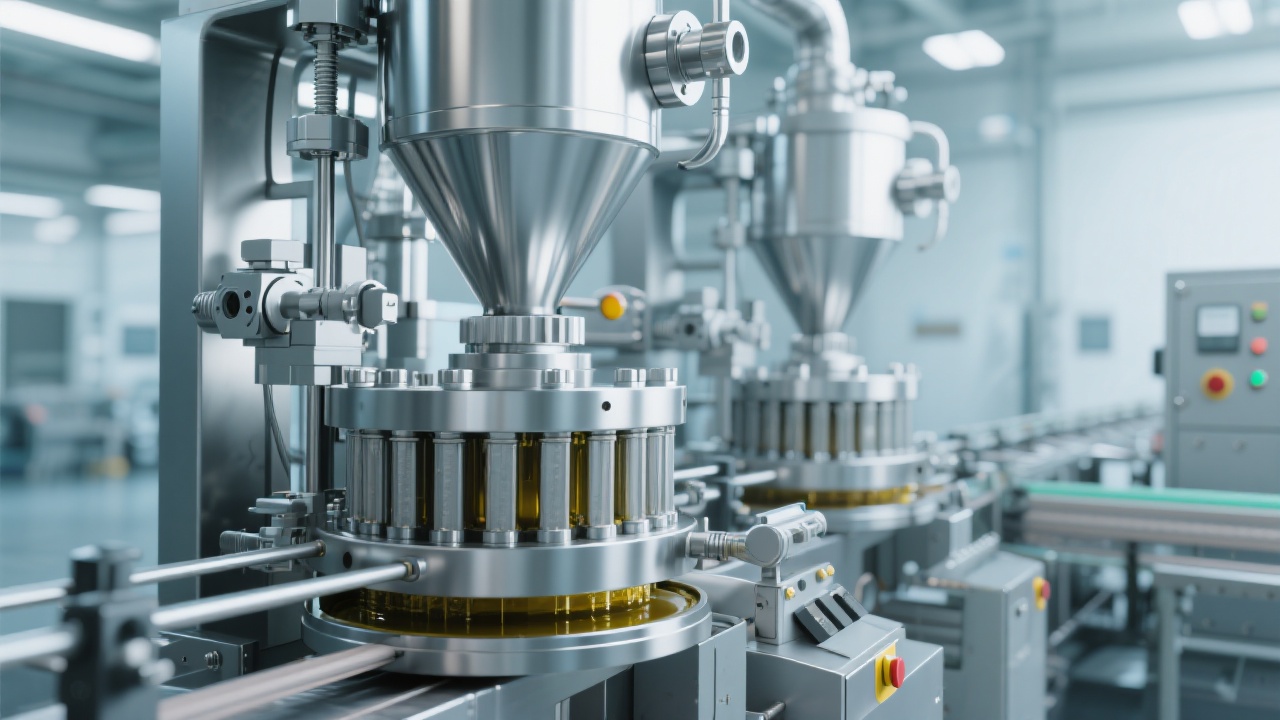
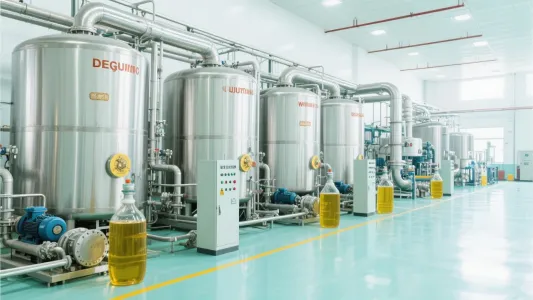
Refining systems vary widely to cater to different production scales and operational strategies:
| System Type | Characteristics | Applications & Benefits |
|---|---|---|
| Batch Refining | Sequential processing in tanks; flexible but labor-intensive. | Best for small to medium production; ideal for specialty oils. |
| Semi-Continuous Refining | Partial automation with phased operations; balances throughput and control. | Medium-scale plants; improved consistency over batch systems. |
| Continuous Refining | Fully automated flow-through process; highest efficiency. | Large-scale production; superior product uniformity and yield. |
Effective refining critically controls several indicators that define the oil's market value and consumer acceptance:
One midsize refinery implemented a continuous degumming and bleaching line, cutting pigment levels from an average of 50 Hazen units to under 5 Hazen units, while reducing FFA by 75%. This upgrade doubled production throughput to 50 tons/day and improved oil mouthfeel ratings by 20% in sensory panels.
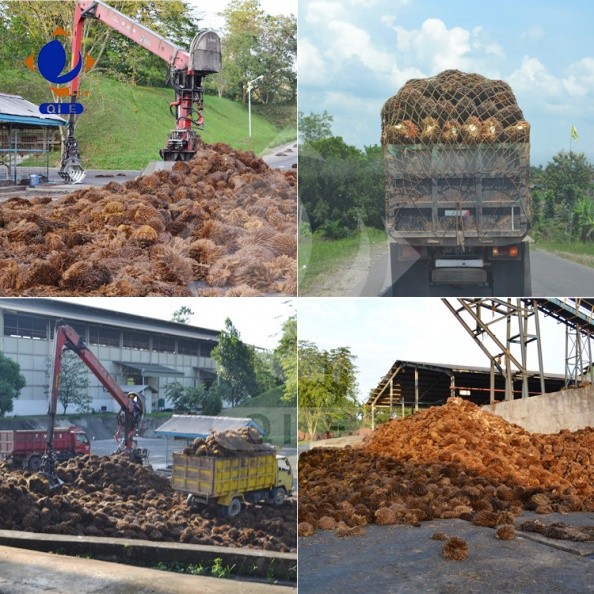
Adopting automated control systems with real-time analytical sensors enhances precision and uniformity. Key innovations include:
| Common Issue | Root Cause | Recommended Solution |
|---|---|---|
| High Free Fatty Acid Levels | Insufficient neutralization or excess crude acidity | Optimize alkali dosage; enhance mixing; perform routine crude oil testing |
| Poor Oil Color | Inadequate bleaching or contaminant carryover | Increase bleaching earth quality and dosage; improve filtration |
| Reduced Oxidative Stability | Exposure to oxygen and light; residual catalyst presence | Implement nitrogen blanketing; ensure final oil polishing steps |
 430
|
430
|
 soybean oil refining equipment
energy efficient oil refining
deodorization equipment for soybean oil
oil quality improvement in refining
winterization process in oil refining
soybean oil refining equipment
energy efficient oil refining
deodorization equipment for soybean oil
oil quality improvement in refining
winterization process in oil refining
 253
|
Soybean Oil Processing Machine
Soybean Oil Press Machine
Soybean Oil Extraction Machine
Soybean Oil Refinery Machine
High Efficiency Soybean Oil Press
Automated Soybean Oil Processing
Quality Control Soybean Oil Refinery
Scalable Soybean Oil Production
Soybean Oil for Edible Use
Industrial Soybean Oil Applications
253
|
Soybean Oil Processing Machine
Soybean Oil Press Machine
Soybean Oil Extraction Machine
Soybean Oil Refinery Machine
High Efficiency Soybean Oil Press
Automated Soybean Oil Processing
Quality Control Soybean Oil Refinery
Scalable Soybean Oil Production
Soybean Oil for Edible Use
Industrial Soybean Oil Applications
 158
|
soybean oil processing
integrated filter press
cold pressed soybean oil
hydraulic press vs spiral press
export grade soybean oil
158
|
soybean oil processing
integrated filter press
cold pressed soybean oil
hydraulic press vs spiral press
export grade soybean oil
 261
|
Soybean Oil Press
South American Market
Small and medium-sized oil and fat enterprises
261
|
Soybean Oil Press
South American Market
Small and medium-sized oil and fat enterprises
 119
|
Soybean Oil Refinery Machine
Soybean Oil Press Machine
High-Quality Soybean Oil Refinery
Automated Soybean Oil Refinery Machine
Soybean Oil Refining Process
Flexible Soybean Oil Production
Efficient Soybean Oil Refining Systems
Cost-Effective Soybean Oil Refinery
Soybean Oil Refining for Edible Oil
119
|
Soybean Oil Refinery Machine
Soybean Oil Press Machine
High-Quality Soybean Oil Refinery
Automated Soybean Oil Refinery Machine
Soybean Oil Refining Process
Flexible Soybean Oil Production
Efficient Soybean Oil Refining Systems
Cost-Effective Soybean Oil Refinery
Soybean Oil Refining for Edible Oil