Refining soybean oil is a crucial process in the edible oil industry, aiming to enhance the quality and extend the shelf - life of the oil. This article will comprehensively explore the full - flow process of soybean oil refining, focusing on key techniques and their impact on oil quality.
Soybean oil, directly extracted from soybeans, contains various impurities such as free fatty acids, phospholipids, pigments, and other non - oil substances. These impurities not only affect the taste and stability of the oil but also reduce its shelf - life. The purpose of refining is to remove these impurities to obtain high - quality edible oil.
Free fatty acids in soybean oil are mainly formed during the storage and processing of soybeans. They can cause the oil to have an unpleasant odor and affect its oxidation stability. One common method to remove free fatty acids is through neutralization. For example, using an alkaline solution, such as sodium hydroxide, to react with free fatty acids to form soapstock, which can then be separated from the oil. The reaction efficiency is affected by factors such as the concentration of the alkaline solution and the reaction temperature. Generally, a reaction temperature of 60 - 70°C can achieve a relatively high removal rate of free fatty acids.
Phospholipids in soybean oil can cause the oil to be turbid and affect its clarity. Hydration degumming is a common method to remove phospholipids. By adding a certain amount of water to the crude oil, phospholipids absorb water and form aggregates, which can be separated by centrifugation. The amount of water added and the temperature during the hydration process are crucial. Usually, adding 2 - 3% of water at a temperature of 70 - 80°C can effectively remove phospholipids.
Pigments in soybean oil mainly include carotenoids and chlorophyll, which affect the color of the oil. Adsorption bleaching is a common method to remove pigments. Using adsorbents such as activated clay and activated carbon, pigments can be adsorbed on the surface of the adsorbent and then separated from the oil by filtration. The dosage of the adsorbent and the adsorption time are important factors. Generally, using 1 - 3% of activated clay and adsorbing for 20 - 30 minutes at 90 - 100°C can achieve a good bleaching effect.
There are three main types of soybean oil refining systems: batch, semi - continuous, and continuous.
The batch refining system is suitable for small - scale production. Its production capacity is usually between 1 - 50 tons per day. This system has a relatively low degree of automation, and each process step is carried out in batches. The advantage of the batch system is its flexibility, which is suitable for processing different types of crude oil. However, its production efficiency is relatively low, and the product quality may vary between batches.
The semi - continuous refining system has a production capacity of about 50 - 200 tons per day. It combines the advantages of batch and continuous systems. Some processes are carried out continuously, while others are carried out in batches. This system has a relatively high degree of automation and can improve production efficiency to a certain extent. It is suitable for medium - scale oil processing enterprises.
The continuous refining system is suitable for large - scale production, with a production capacity of over 200 tons per day. It has a high degree of automation, and all processes are carried out continuously. This system can ensure stable product quality and high production efficiency. However, its initial investment is relatively large, and it requires high - level technical management.

| Refining System Type | Production Capacity | Automation Degree | Advantages | Limitations |
|---|---|---|---|---|
| Batch | 1 - 50 tons/day | Low | Flexible, suitable for different crude oils | Low efficiency, inconsistent product quality |
| Semi - continuous | 50 - 200 tons/day | Medium | Improved efficiency, suitable for medium - scale enterprises | Relatively complex operation |
| Continuous | > 200 tons/day | High | High efficiency, stable product quality | Large initial investment |
Temperature control is crucial in the refining process. Different processes require different temperature ranges. For example, during the neutralization process, a proper temperature can ensure a complete reaction between the alkaline solution and free fatty acids. In the bleaching process, a higher temperature can increase the adsorption rate of the adsorbent, but an overly high temperature may cause the oil to oxidize. Therefore, accurate temperature control is necessary to ensure product quality.
The proportioning of agents such as alkaline solutions and adsorbents is also an important factor. An appropriate proportion can ensure the removal of impurities while minimizing the loss of oil. For example, in the neutralization process, an excessive amount of alkaline solution may cause saponification of the oil, resulting in a loss of oil yield. On the other hand, an insufficient amount may not be able to completely remove free fatty acids.
In modern oil refining, safety and environmental protection are also important considerations. For example, in the use of chemicals, it is necessary to ensure that they meet environmental standards and do not cause pollution to the environment. At the same time, safety measures should be taken to prevent accidents such as fires and explosions during the production process.
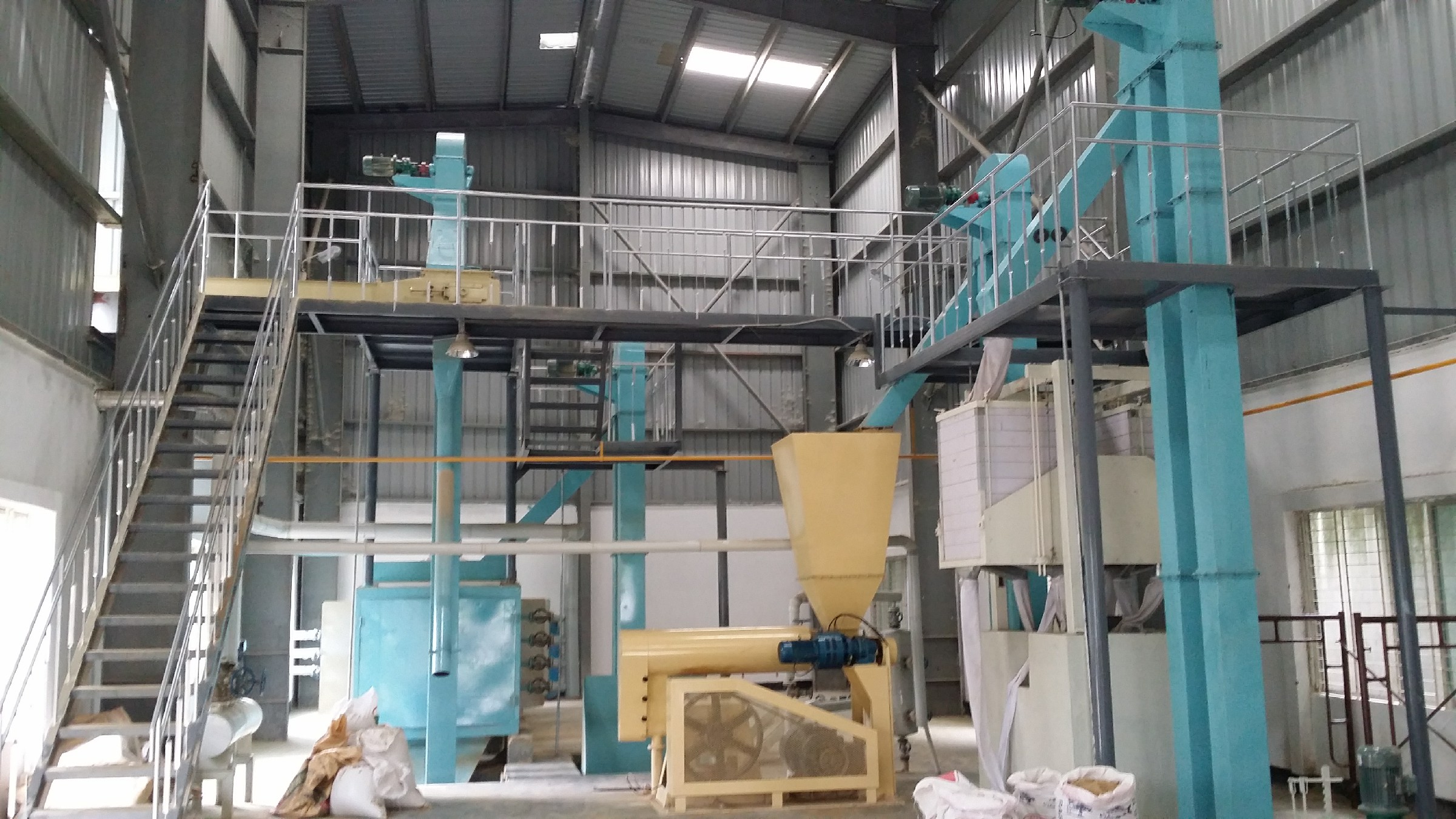
Let's take a real - world example. A medium - scale oil processing enterprise used to use a batch refining system. The oil quality was unstable, and the production efficiency was low. After upgrading to a semi - continuous refining system and optimizing the temperature control and agent proportioning, the oil quality was significantly improved, and the production efficiency increased by about 30%. The oxidation stability of the oil also increased, extending its shelf - life by about 20%.
If you are an oil processing enterprise or a technology R & D personnel and want to optimize your soybean oil refining process, improve oil quality, and increase production efficiency, don't miss this opportunity. Our company provides a variety of advanced refining equipment and professional technical support. Click here to learn more about our products and services.