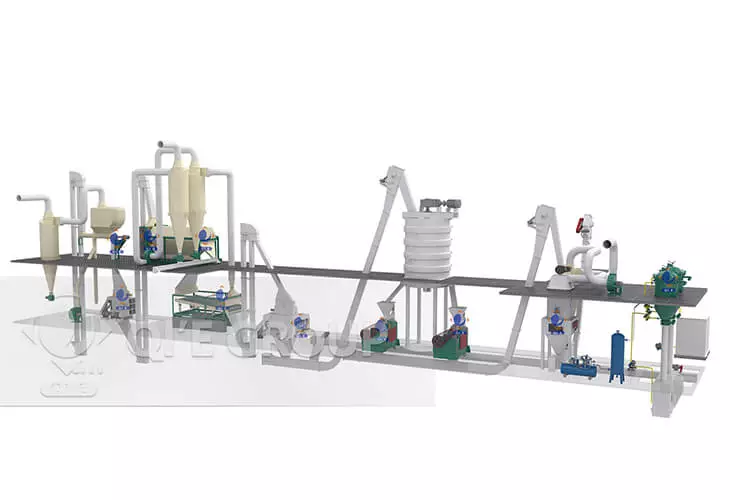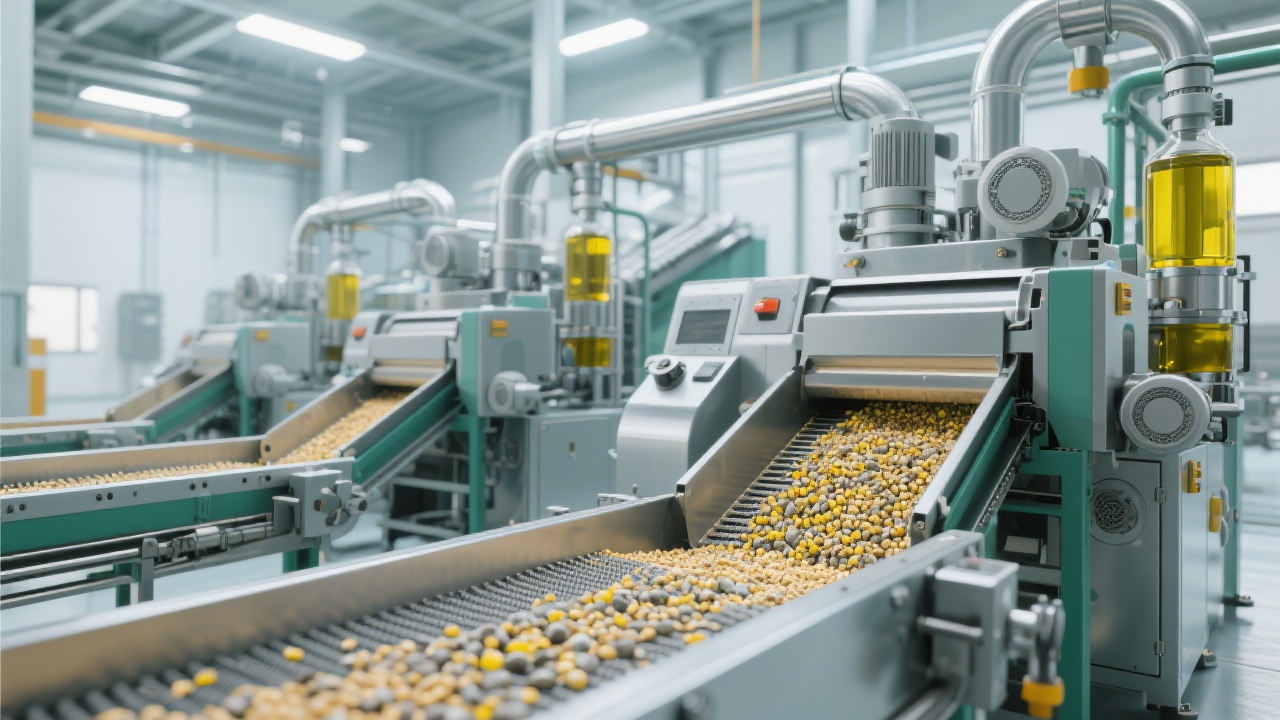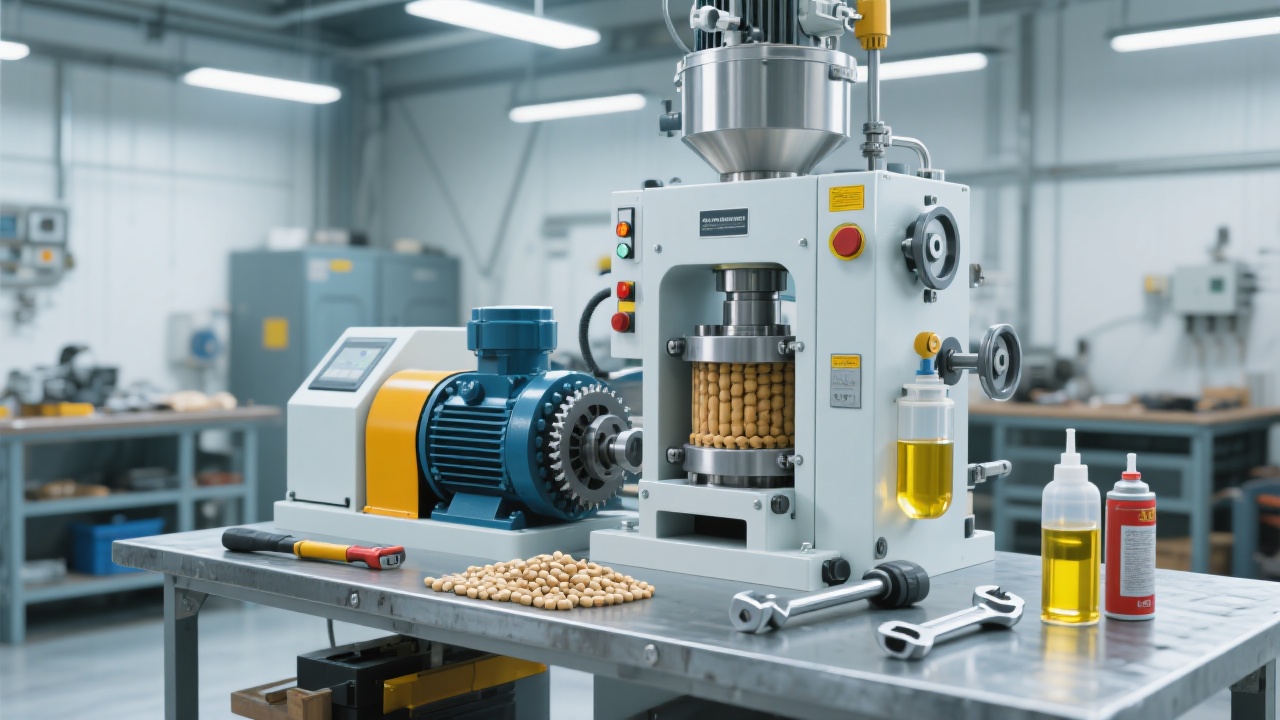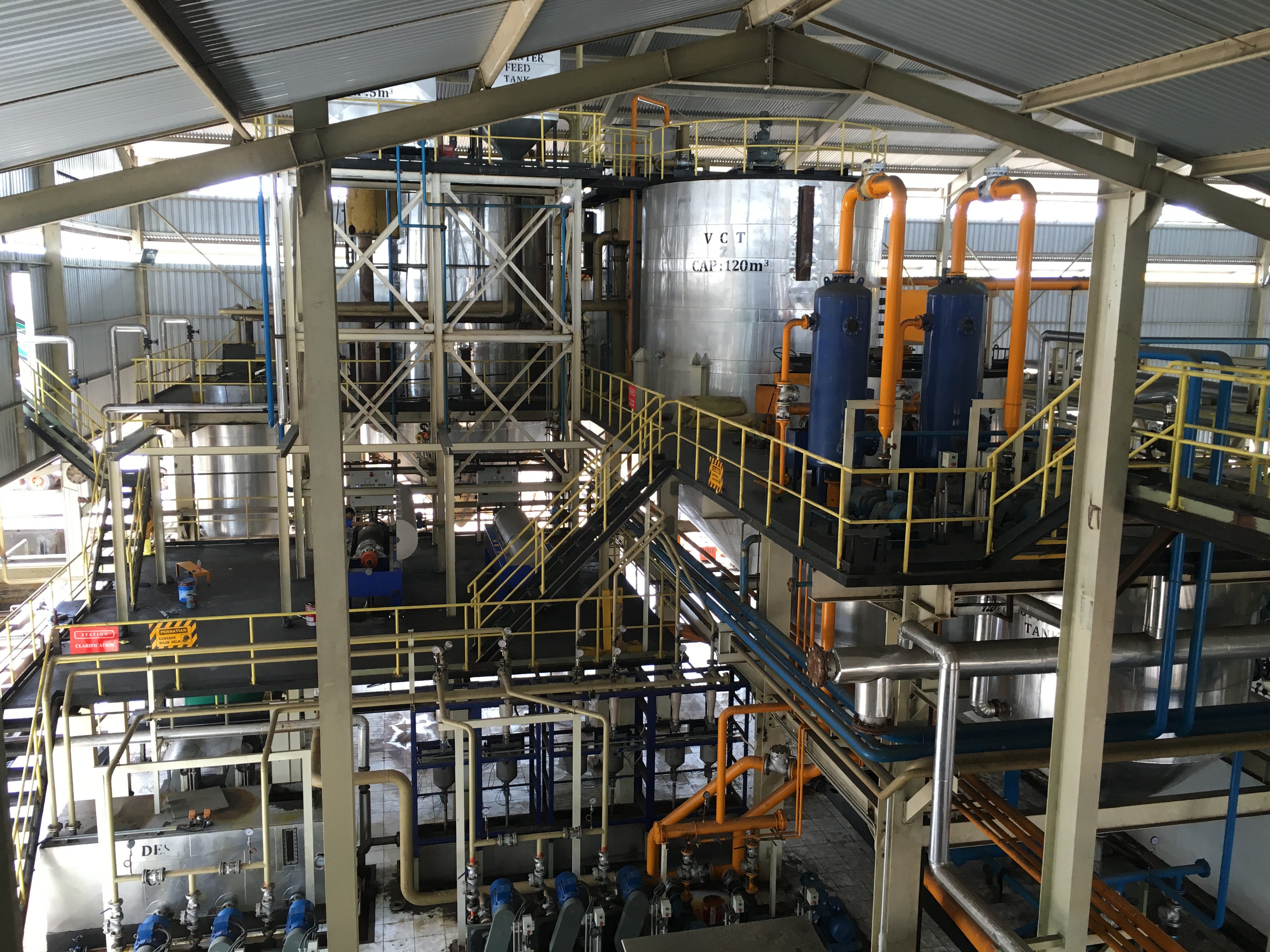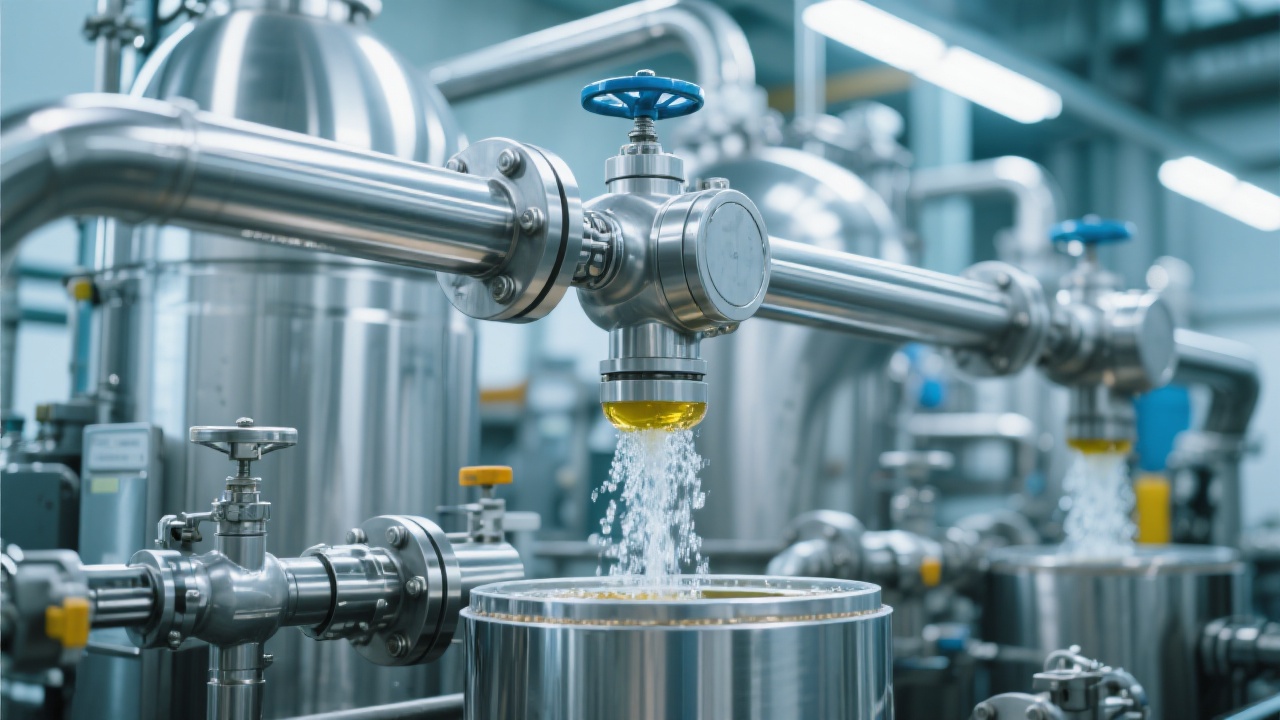
In the global edible oil market, soybean oil holds a significant position due to its wide availability and nutritional value. However, achieving high - quality soybean oil requires an optimized refining process. This article delves deep into the optimization of the soybean oil refining process, with a focus on reducing free fatty acid (FFA) residues to enhance the oil's color, taste, and shelf - life.
During the soybean oil refining process, several key indicators play a crucial role in determining the final product quality. Free fatty acids (FFA) are one of the most important factors. High levels of FFA can lead to an unpleasant taste and a shorter shelf - life. For example, in a traditional refining process, the FFA content in crude soybean oil can be as high as 2 - 3%. Industry experts suggest that for high - quality soybean oil, the FFA content should be reduced to less than 0.1%.
Color is another significant indicator. A lighter and clearer color is generally preferred by consumers. Oxidation stability also affects the oil's quality and shelf - life. Oxidized oil can develop off - flavors and lose its nutritional value. Therefore, controlling these indicators is essential for producing high - quality soybean oil.
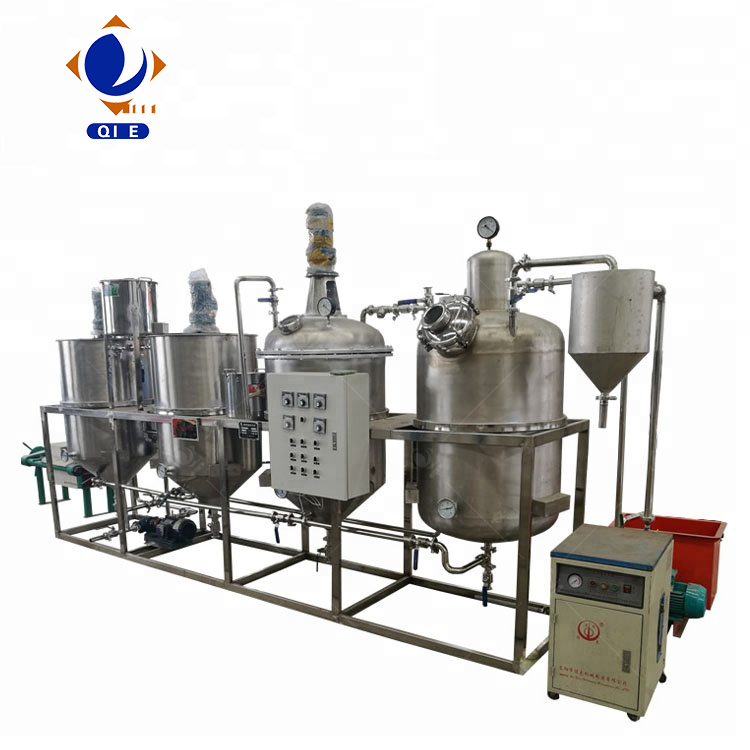
There are three main types of refining systems: batch, semi - continuous, and continuous. Each system has its own characteristics and challenges.
Batch refining systems are relatively simple and suitable for small - scale production. However, they often face challenges in terms of consistency and efficiency. For instance, in a batch system, the FFA reduction rate may vary from batch to batch, and the average FFA reduction efficiency is around 80 - 85%.
Semi - continuous systems offer a balance between batch and continuous systems. They can improve production efficiency to some extent. But they still have limitations in terms of full - scale automation and real - time monitoring.
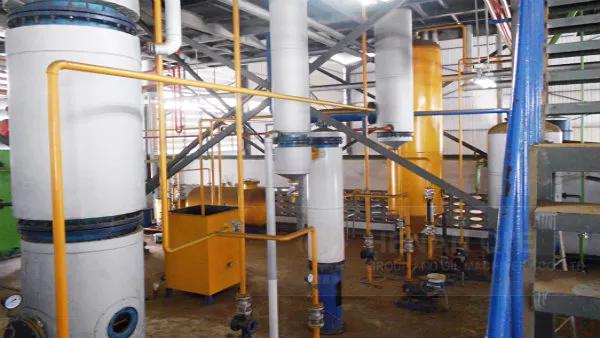
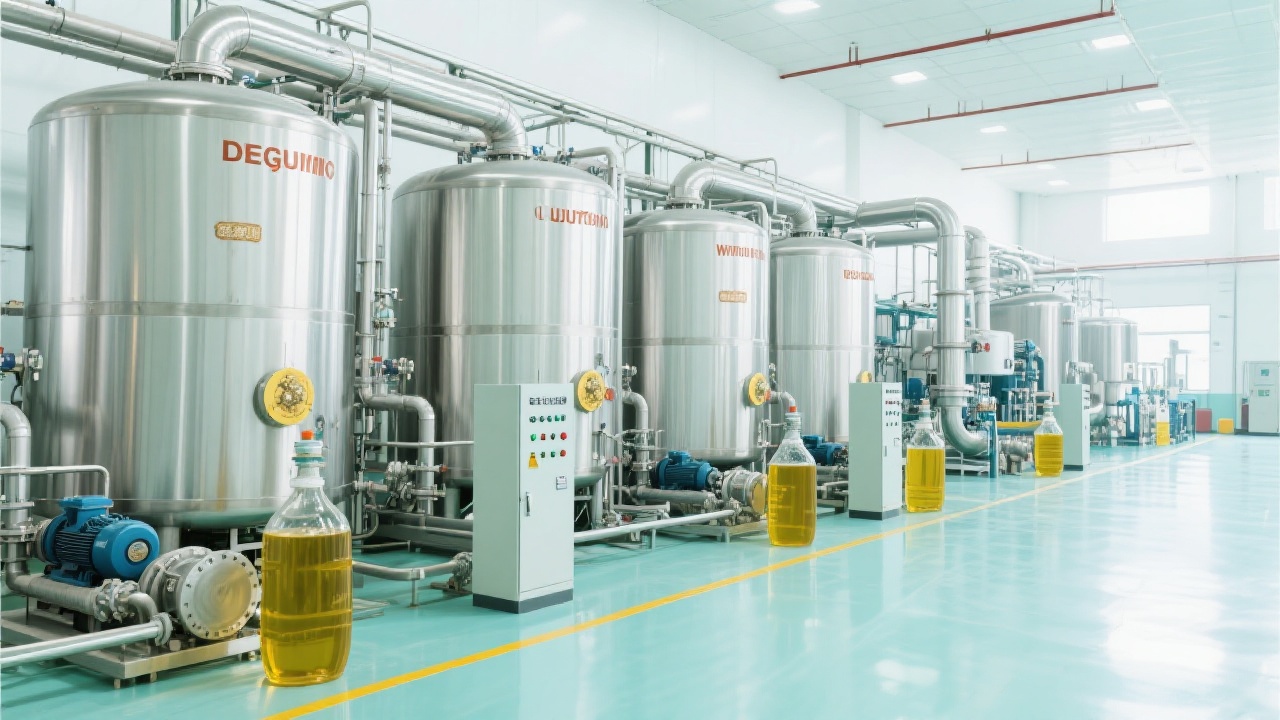
Continuous refining systems are the most advanced and efficient. They can achieve a high degree of automation and consistency. In a well - designed continuous system, the FFA reduction rate can reach over 95%, and the color and oxidation stability can be precisely controlled. However, continuous systems require a large initial investment and high - level technical support.
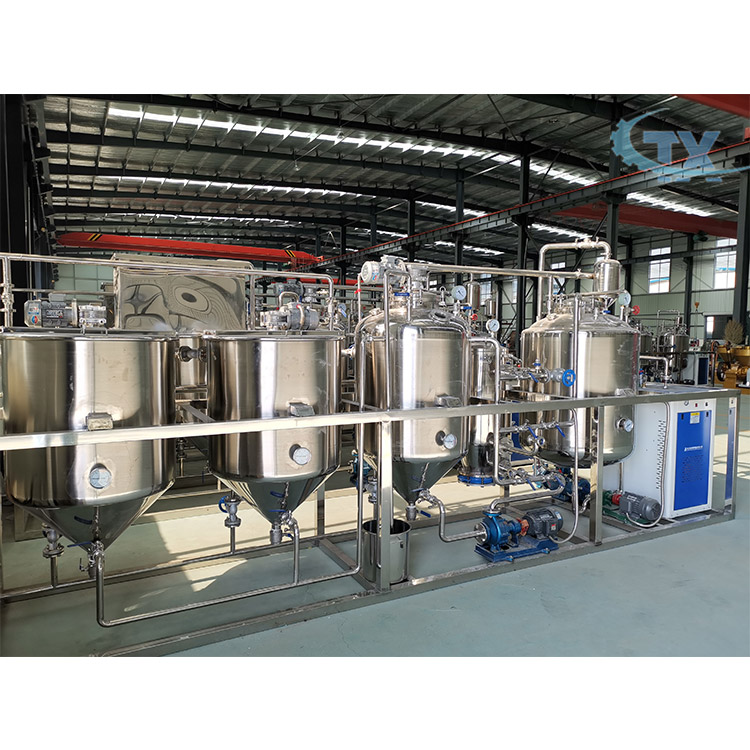
To address the challenges in different refining systems, various solutions and technological applications have been developed. One of the most effective methods is the use of advanced automation control technology. By implementing real - time monitoring and control systems, the refining process can be optimized to reduce FFA residues and improve product quality.
For example, in a continuous refining system, an online FFA detection device can be installed to monitor the FFA content in real - time. Based on the detected data, the system can automatically adjust the dosage of refining agents, such as alkalis, to ensure the FFA content meets the required standards.
In addition, new refining agents and processes are also being developed. Some innovative refining agents can not only effectively reduce FFA residues but also improve the oil's oxidation stability. These new technologies and solutions are helping the soybean oil refining industry to achieve higher - quality production.
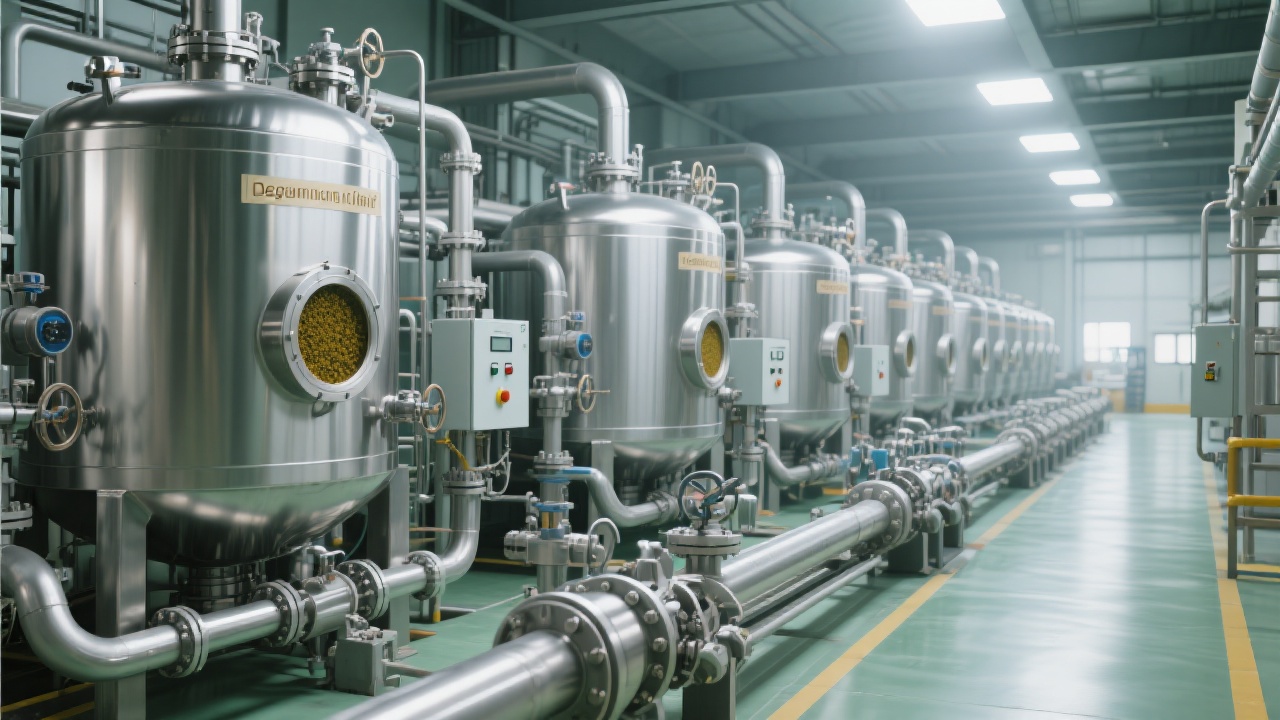
In conclusion, optimizing the soybean oil refining process is crucial for enhancing product quality and market competitiveness. By understanding the key indicators, analyzing different refining systems, and applying advanced technologies, industry practitioners can achieve high - quality soybean oil production. Our company is at the forefront of this technological innovation, with a wealth of experience and advanced technologies in soybean oil refining. If you are interested in learning more about our advanced soybean oil refining technology and solutions, click here to explore further.

 166
|
166
|
 Soya Oil Refining Process
Soybean Oil Press Machine
Degumming in Soya Oil Refining
Neutralization in Soya Oil Refining
Bleaching Process for Soya Oil
Deodorization of Soybean Oil
Winterization in Soy Oil Refining
High-Quality Soya Oil
Edible Refined Soya Oil
Industrial Applications of Soya Oil
Soya Oil Refining Process
Soybean Oil Press Machine
Degumming in Soya Oil Refining
Neutralization in Soya Oil Refining
Bleaching Process for Soya Oil
Deodorization of Soybean Oil
Winterization in Soy Oil Refining
High-Quality Soya Oil
Edible Refined Soya Oil
Industrial Applications of Soya Oil
 146
|
small palm oil production line equipment
palm oil manufacturing plant
high investment returns
customer case study
Penguin Group
oil press equipment
146
|
small palm oil production line equipment
palm oil manufacturing plant
high investment returns
customer case study
Penguin Group
oil press equipment
 338
|
Soybean oil refining machine selection
Refining equipment configuration guide
Edible oil processing equipment recommendation
Refining machine automation level
Oil processing plant equipment selection
334
|
soybean oil press production efficiency
types of soybean oil presses advantages
soybean oil extraction process
338
|
Soybean oil refining machine selection
Refining equipment configuration guide
Edible oil processing equipment recommendation
Refining machine automation level
Oil processing plant equipment selection
334
|
soybean oil press production efficiency
types of soybean oil presses advantages
soybean oil extraction process
 38
|
Soybean Oil Factory
Soybean Oil Press Machine
Industrial Soybean Oil Processing
Soybean Oil Extraction Equipment
Soybean Oil Refining Technology
Soybean Oil Production Line
Soybean Meal Production
Soy Lecithin Manufacturing
Automated Soybean Oil Packaging
Small-Scale Soybean Oil Factory
38
|
Soybean Oil Factory
Soybean Oil Press Machine
Industrial Soybean Oil Processing
Soybean Oil Extraction Equipment
Soybean Oil Refining Technology
Soybean Oil Production Line
Soybean Meal Production
Soy Lecithin Manufacturing
Automated Soybean Oil Packaging
Small-Scale Soybean Oil Factory