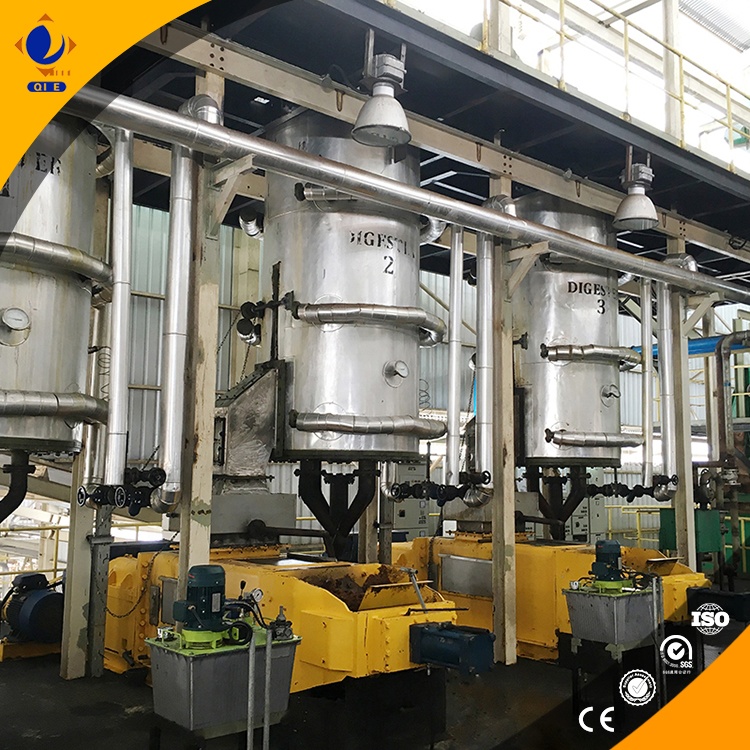
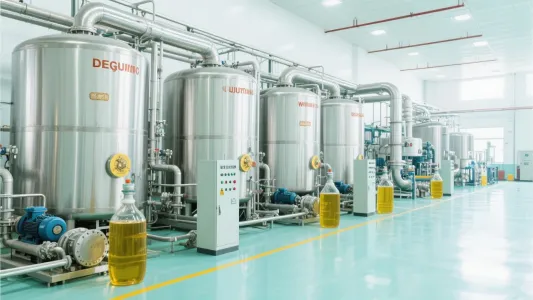
For B2B buyers in food manufacturing, culinary services, and private label brands, the difference between commodity-grade oil and premium-grade soybean oil often lies not in sourcing—but in refining precision. In this guide, we break down how real-world refineries achieve consistent clarity, neutral flavor, and extended shelf life through proven process control.
Industry data shows that over 60% of B2B buyers rank oxidative stability as their top concern when evaluating edible oils—especially for long-haul shipping or cold storage. For instance, a batch with free fatty acid (FFA) levels above 0.5% may trigger rejection from EU importers due to regulatory thresholds. Similarly, a L* value (lightness) below 75 on the CIE scale indicates poor bleaching performance—a red flag for premium markets like North America and Japan.
One Malaysian processor saw a 40% increase in export orders after reducing FFA from 0.8% to 0.3% using optimized caustic soda dosing and automated titration systems. Their customers reported better frying stability and fewer off-flavors in processed foods.
| System Type | Avg. Throughput (ton/day) | Common Issues | Best For |
|---|---|---|---|
| Batch | 1–5 | Inconsistent FFA removal, manual error risk | Small-scale producers (<10 tons/day) |
| Semi-Continuous | 5–15 | Flow instability, higher labor cost | Mid-sized operations needing flexibility |
| Continuous | 20–50+ | Higher upfront investment, complex maintenance | Large-scale exporters targeting global brands |
As one Iranian buyer noted: “We switched from batch to semi-continuous processing and reduced our monthly rejections by 30%. But only after installing inline sensors did we truly stabilize color and odor.”
Scenario: Unexpected Yellowing After Bleaching
Root cause: Overuse of activated carbon (excess adsorption of natural tocopherols). Solution: Reduce dosage by 15% and switch to clay-based bleaching earth. Result: L* improved from 68 to 82, meeting U.S. FDA standards for clear cooking oils.
Scenario: Rancid Odor Post-Refining
Root cause: Incomplete deodorization at 250°C for less than 30 minutes. Solution: Extend vacuum hold time to 45 mins at 260°C. Result: Peroxide value dropped from 5 meq/kg to 1.2 meq/kg—ideal for shelf-life extension up to 18 months.
Top-tier refineries now integrate online FFA analyzers (like NIR spectrometers) and digital twin models for predictive maintenance. One Chinese plant achieved a 25% reduction in energy consumption while improving yield consistency by automating steam flow control during deodorization.
Use these insights—not just as theory—to build your own quality playbook. Whether you're optimizing an existing line or designing a new facility, mastering these steps ensures your oil doesn’t just meet specs—it commands premium pricing.
Ready to refine smarter? Let’s turn your crude into competitive advantage.
Explore Our Industrial Refining Solutions
 246
|
246
|
 soybean meal nutrition
soybean meal processing technology
animal feed formulation
soybean oil byproducts
soybean meal market trends
soybean meal nutrition
soybean meal processing technology
animal feed formulation
soybean oil byproducts
soybean meal market trends
 80
|
seed preprocessing production line
vegetable oil production solution
customizable processing technology
80
|
seed preprocessing production line
vegetable oil production solution
customizable processing technology
 174
|
oilseed pretreatment processing equipment
efficient vegetable oil production solutions
customized oilseed processing machinery
174
|
oilseed pretreatment processing equipment
efficient vegetable oil production solutions
customized oilseed processing machinery
 168
|
soybean oil refining process
de-gumming technology in oil processing
neutralization pH control
bleaching equipment for edible oils
deodorization methods in vegetable oil refining
168
|
soybean oil refining process
de-gumming technology in oil processing
neutralization pH control
bleaching equipment for edible oils
deodorization methods in vegetable oil refining
 36
|
Soybean Oil Press
Screw Oil Press
Hydraulic Soybean Oil Press
Integrated Oil Press with Filter
Soybean Oil Production
Cold Pressed Soybean Oil
Soybean Cake Production
Cost-Effective Oil Press
Energy Efficient Soybean Oil Press
36
|
Soybean Oil Press
Screw Oil Press
Hydraulic Soybean Oil Press
Integrated Oil Press with Filter
Soybean Oil Production
Cold Pressed Soybean Oil
Soybean Cake Production
Cost-Effective Oil Press
Energy Efficient Soybean Oil Press