For food manufacturers, oil processors, and B2B buyers seeking high-purity soybean oil, refining is not just a step—it’s the cornerstone of product quality, shelf life, and brand reputation. This comprehensive guide dives into the technical heart of soybean oil refining, focusing on how to effectively remove free fatty acids (FFAs), phospholipids, and pigments—key impurities that compromise clarity, stability, and taste.
Raw soybean oil contains up to 4–8% free fatty acids, along with phospholipids, sterols, and natural pigments like chlorophyll and carotenoids. If left untreated, these compounds lead to:
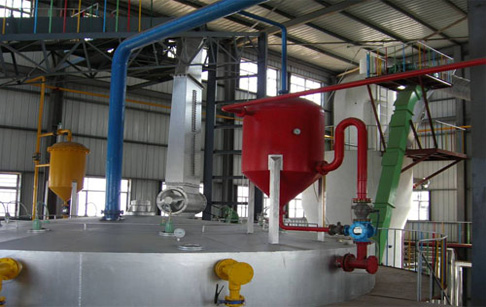
The standard refining process includes three main stages: degumming, neutralization, and bleaching—with each targeting specific contaminants:
| Stage | Target Impurity | Key Control Parameters |
|---|---|---|
| Degumming | Phospholipids, proteins | Water addition (1–3%), temp 60–70°C, pH 4.5–5.5 |
| Neutralization | Free Fatty Acids (FFAs) | Caustic soda (NaOH) dosing (0.1–0.3% w/w), temp 85–95°C |
| Bleaching | Pigments, residual metals | Activated clay (3–5% w/w), temp 95–110°C, vacuum 10–20 mbar |
Each system has distinct advantages depending on scale, automation needs, and budget:
In a real-world case from a Vietnamese processor, switching from batch to semi-continuous refining reduced FFA levels from 3.2% to <0.3%, improved color from R100Y100 to R20Y20 (measured by Lovibond), and increased customer retention by 40% due to more stable shelf life.
Modern refineries must comply with ISO 22000, HACCP, and local regulations such as EU Commission Regulation (EC) No 110/2008. Key considerations include:
“Proper temperature control during neutralization prevents soap formation—a common cause of yield loss and emulsion issues.” — Dr. Li Wei, Food Processing Engineer, Sichuan University
Environmental compliance also drives innovation: closed-loop water systems reduce wastewater discharge by up to 70%, while automated dosing reduces chemical waste by 25–30%. These are no longer optional—they’re competitive differentiators.
Whether you're optimizing an existing setup or building a new facility, our engineered solutions deliver precision, efficiency, and compliance. From pilot testing to full-scale commissioning, we support every phase of your journey.
Get a Custom Refining System Quote Today
 155
|
155
|
 Soybean Oil Press
South American Market
Oil and fat enterprises
Soybean Oil Press
South American Market
Oil and fat enterprises
 296
|
Soybean Oil Extruder Machine
High Efficiency Soybean Oil Extruder Machine
Soybean Oil Press Machine
Energy Saving Soybean Oil Extruder
Industrial Soybean Oil Extruder
Automatic Soybean Oil Extruder Machine
Soybean Oil Extraction Equipment
Multifunctional Soybean Oil Extruder
Soybean Oil Production Equipment
Soybean Oil Processing Technology
296
|
Soybean Oil Extruder Machine
High Efficiency Soybean Oil Extruder Machine
Soybean Oil Press Machine
Energy Saving Soybean Oil Extruder
Industrial Soybean Oil Extruder
Automatic Soybean Oil Extruder Machine
Soybean Oil Extraction Equipment
Multifunctional Soybean Oil Extruder
Soybean Oil Production Equipment
Soybean Oil Processing Technology
 262
|
Soybean oil production equipment
Soybean oil processing technology
Mechanical pressing
Solvent extraction
Soybean oil refining
262
|
Soybean oil production equipment
Soybean oil processing technology
Mechanical pressing
Solvent extraction
Soybean oil refining
 265
|
soybean oil extraction process
types of oil extraction machines
industrial oil production solutions
265
|
soybean oil extraction process
types of oil extraction machines
industrial oil production solutions
 370
|
soybean oil press machine
oil yield optimization
soybean press tuning
cold press vs hot press
bean cake protein content
370
|
soybean oil press machine
oil yield optimization
soybean press tuning
cold press vs hot press
bean cake protein content