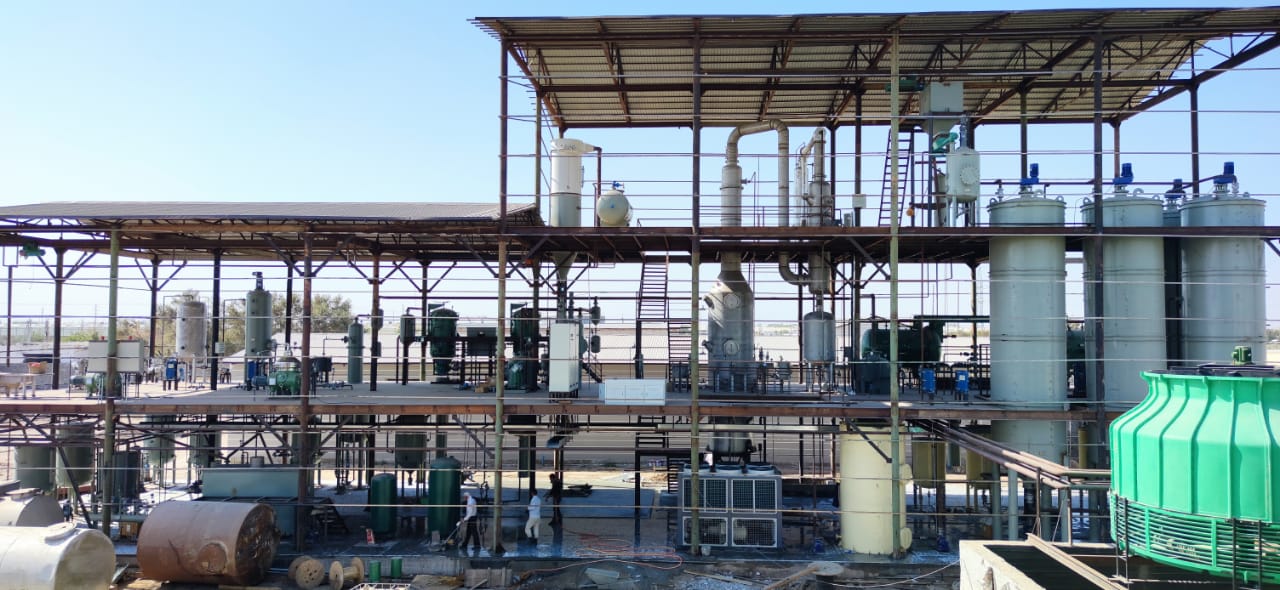
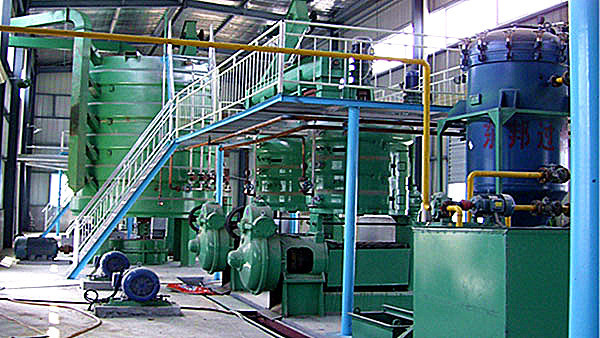
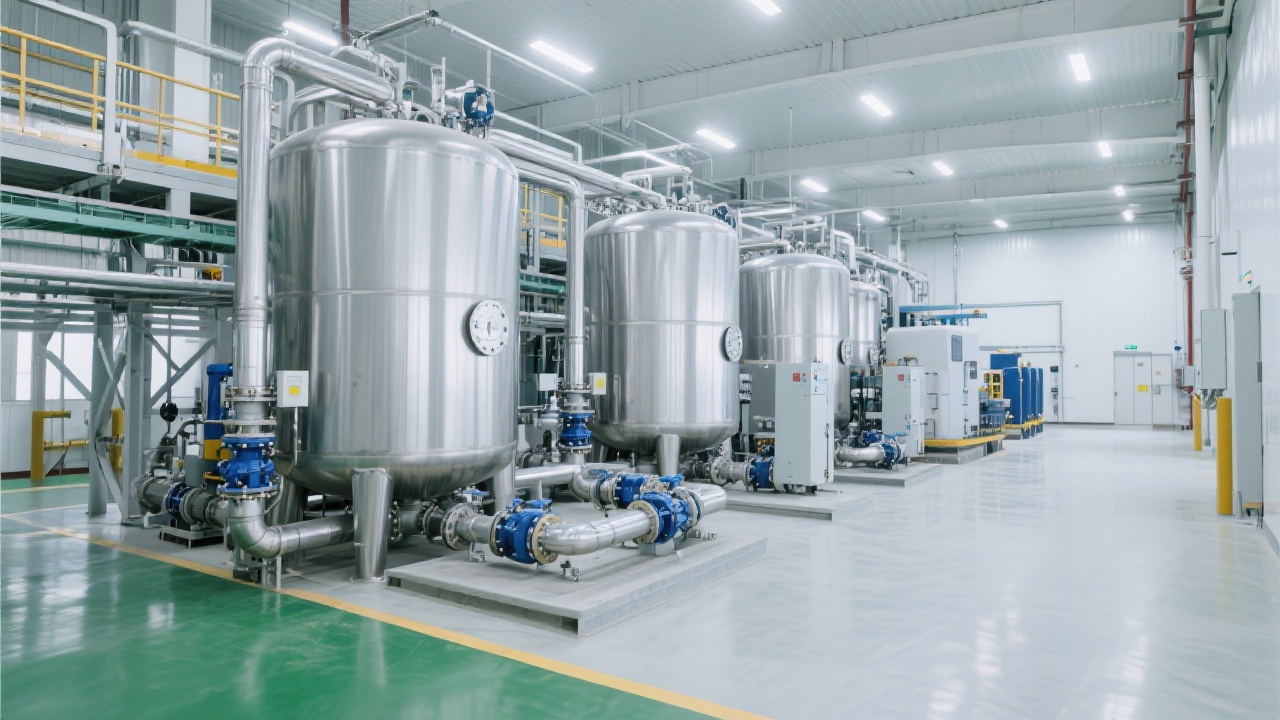
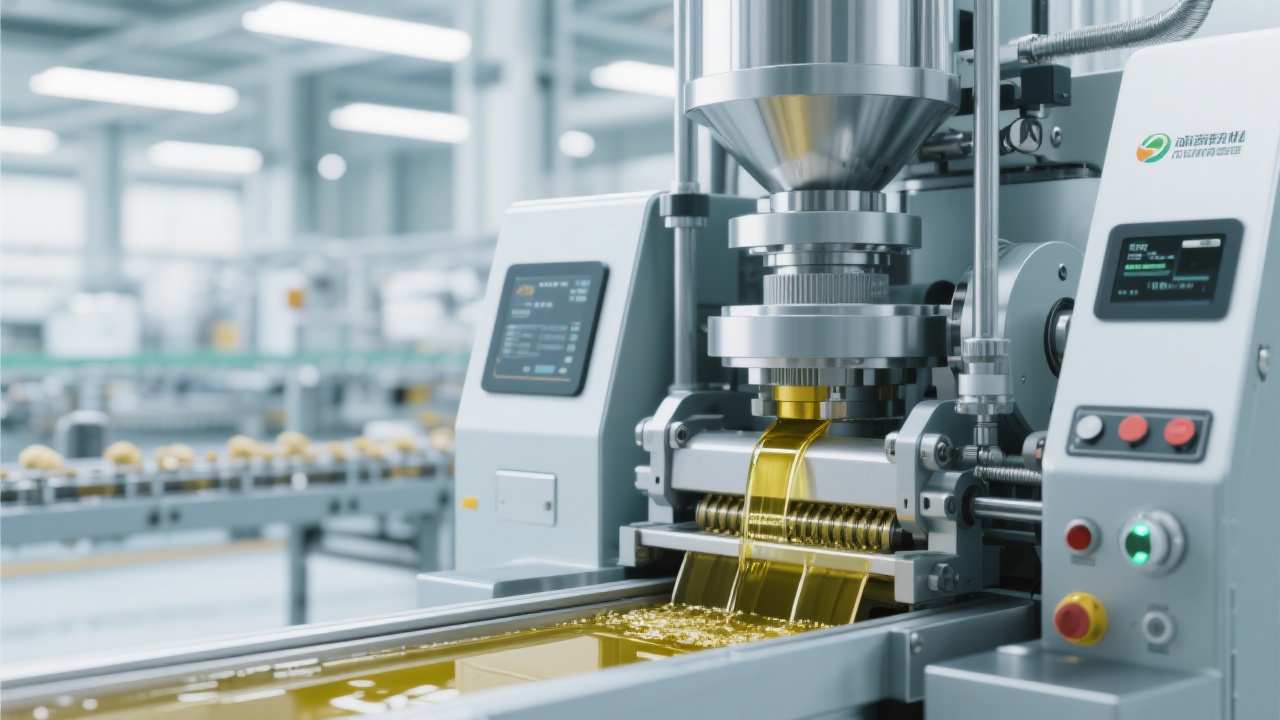
For processors in the edible oil industry, refining is not just a step—it’s a strategic decision that determines shelf life, taste, and market competitiveness. Whether you're running a small-scale operation or managing a large plant, mastering the soybean oil refining process ensures consistent quality and regulatory compliance. Let’s break down what really matters.
Crude soybean oil contains free fatty acids (FFA), phospholipids, pigments, and other impurities that affect flavor, clarity, and stability. Without proper refining, your product risks rancidity within weeks—even if stored correctly. A well-refined oil can extend shelf life by up to 12 months while improving sensory appeal for global buyers.
1. Degumming: Removes phospholipids using water or acid treatment—critical for preventing emulsification during neutralization. Typical moisture content after degumming should be below 0.1%.
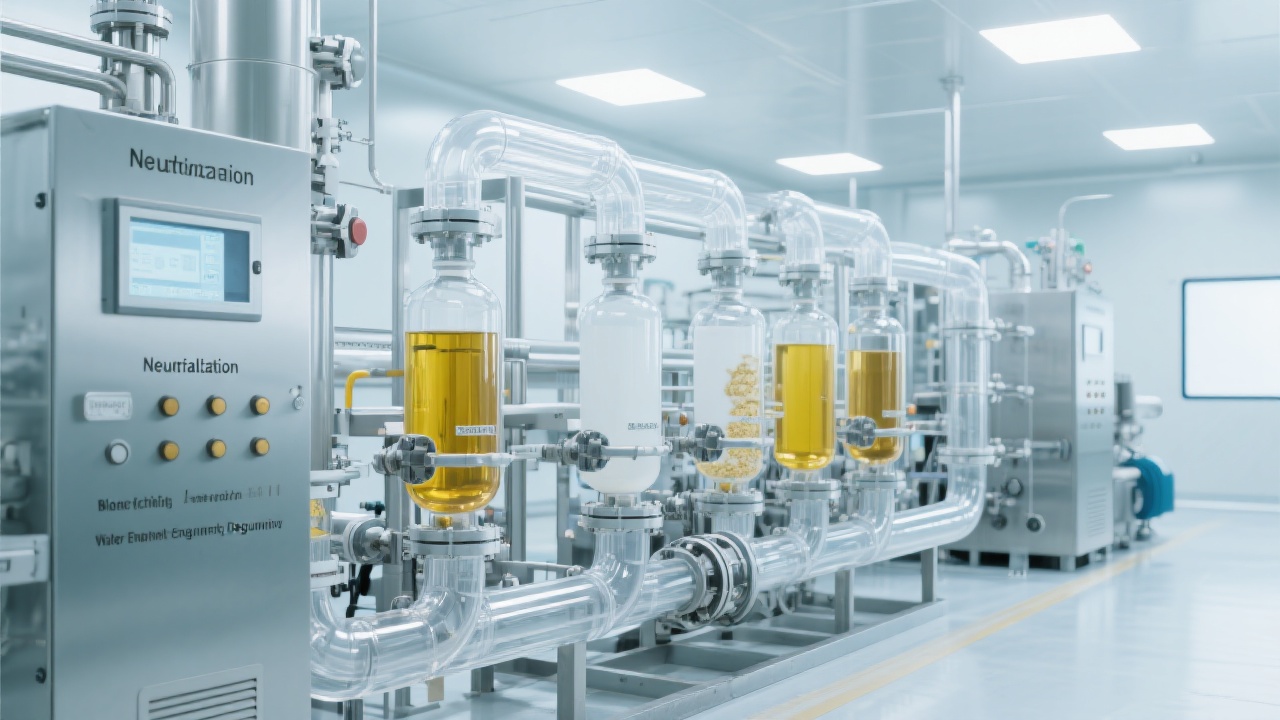
2. Neutralization: Adds caustic soda to convert FFAs into soapstock. This step must balance pH carefully—too much lye increases soapstock yield; too little leaves residual acidity. Optimal FFA reduction: 95–98%.
3. Bleaching: Activated clay removes color bodies and trace metals. The key parameter here is bleaching time and temperature—typically 95–110°C for 45–60 minutes. Properly bleached oil achieves L* value > 90 (measured via Hunter Lab scale).
4. Deodorization: Steam stripping at 220–250°C under vacuum removes volatile compounds causing off-flavors. This stage alone accounts for ~70% of total energy use—so efficiency matters most.
| System Type | Capacity Range (Tons/day) | Automation Level | Best For |
|---|---|---|---|
| Batch System | 1–5 | Low | Small mills needing flexibility |
| Semi-Continuous | 5–20 | Medium | Mid-sized plants seeking automation upgrade |
| Continuous System | 20–100+ | High | Large-scale operations aiming for maximum throughput |
When choosing equipment, focus on these measurable metrics:
These aren’t just numbers—they’re levers you can pull to improve consistency, reduce waste, and meet international buyer expectations like those from EU, USA, or Middle East distributors.
Modern refineries are expected to comply with ISO 14001 and local emission regulations. Implementing closed-loop steam recovery systems can cut utility costs by 15–20%. Also, properly managed soapstock disposal avoids fines and builds brand trust with ESG-conscious partners.
Pro Tip: If you're looking to scale without sacrificing quality, consider upgrading to a semi-continuous system—it offers the best balance between cost-efficiency and performance for many mid-sized producers.
Ready to refine smarter—not harder? Explore our full range of industrial soybean oil refining systems, designed for reliability, low maintenance, and high output. Let’s turn your processing challenges into competitive advantages.

 189
|
189
|
 Soybean Oil Process Machine
Soybean Oil Press Machine
Soybean Oil Extraction Equipment
Soybean Oil Refining Machines
Mechanical Soybean Oil Press
Solvent Extraction for Soybean Oil
High Yield Soybean Oil Processing
Industrial Soybean Oil Equipment
Edible Oil Production Machines
Biofuel Soybean Oil Production
Soybean Oil Process Machine
Soybean Oil Press Machine
Soybean Oil Extraction Equipment
Soybean Oil Refining Machines
Mechanical Soybean Oil Press
Solvent Extraction for Soybean Oil
High Yield Soybean Oil Processing
Industrial Soybean Oil Equipment
Edible Oil Production Machines
Biofuel Soybean Oil Production
 188
|
soybean oil press maintenance
screw oil press troubleshooting
oil press cleaning procedures
soybean oil extraction efficiency
oil machine fault diagnosis
188
|
soybean oil press maintenance
screw oil press troubleshooting
oil press cleaning procedures
soybean oil extraction efficiency
oil machine fault diagnosis
 431
|
soybean oil expeller
cold press oil extraction
hot press soybean processing
oil press machine for export
soybean oil production technology
431
|
soybean oil expeller
cold press oil extraction
hot press soybean processing
oil press machine for export
soybean oil production technology
 328
|
Palm Kernel Oil Extraction Equipment
Palm Kernel Oil Refining Machine
Oil Refining Equipment
Automated Palm Oil Machinery
High Efficiency Oil Refining
Eco-friendly Palm Kernel Oil Process
Long-lasting Oil Extraction Equipment
Palm Oil Production Solutions
Comprehensive Oil Processing Services
328
|
Palm Kernel Oil Extraction Equipment
Palm Kernel Oil Refining Machine
Oil Refining Equipment
Automated Palm Oil Machinery
High Efficiency Oil Refining
Eco-friendly Palm Kernel Oil Process
Long-lasting Oil Extraction Equipment
Palm Oil Production Solutions
Comprehensive Oil Processing Services
 498
|
soybean oil refining process
de-gumming technology in oil processing
neutralization in oil refining
bleaching equipment for vegetable oil
deodorization methods for soybean oil
498
|
soybean oil refining process
de-gumming technology in oil processing
neutralization in oil refining
bleaching equipment for vegetable oil
deodorization methods for soybean oil