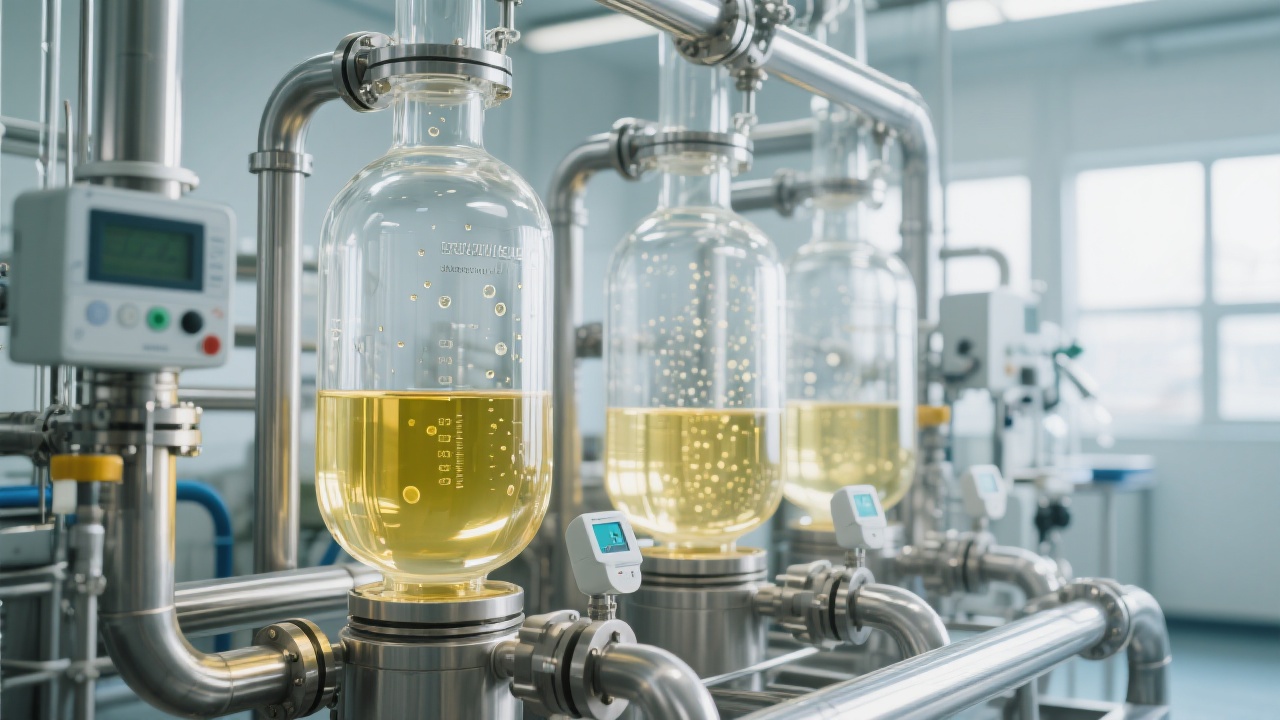
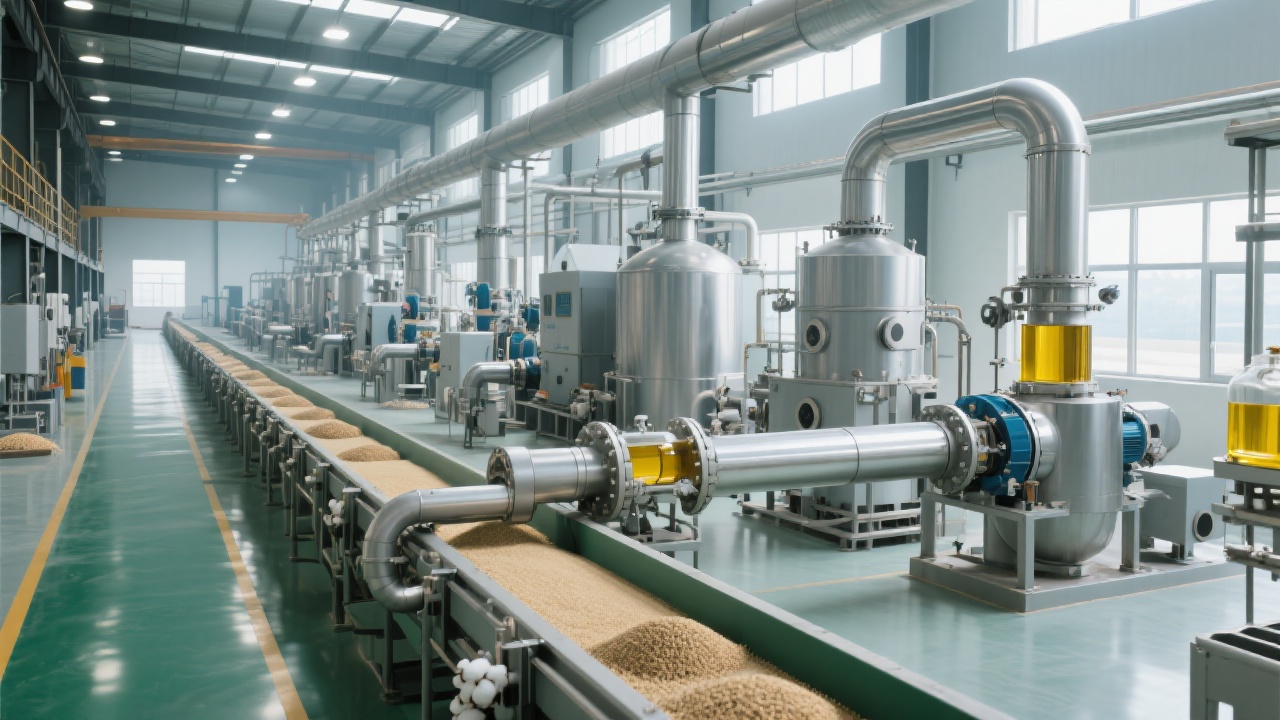
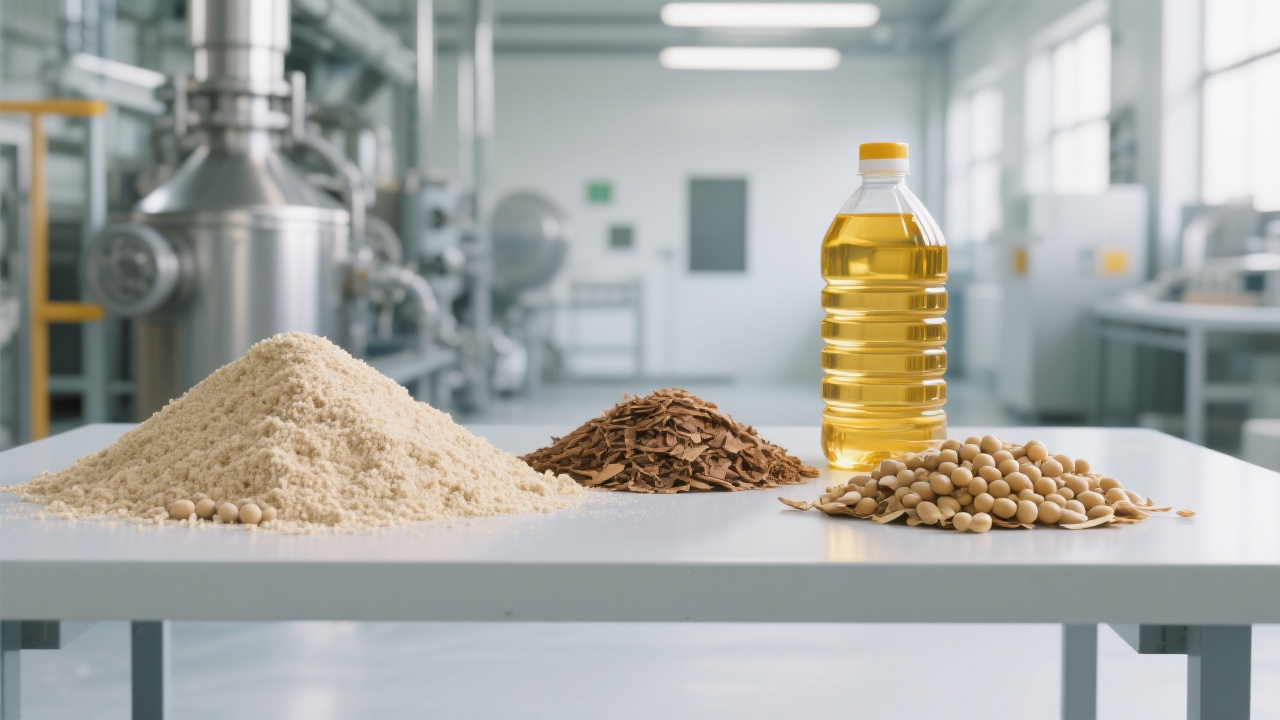
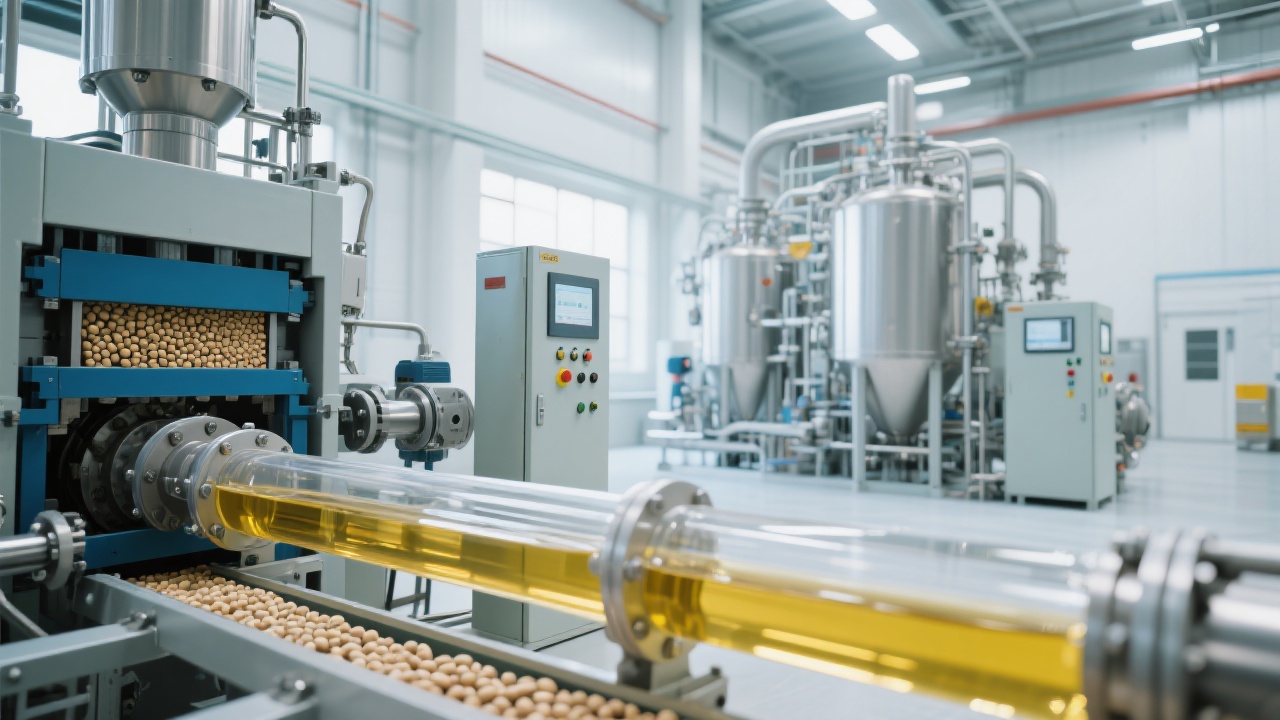
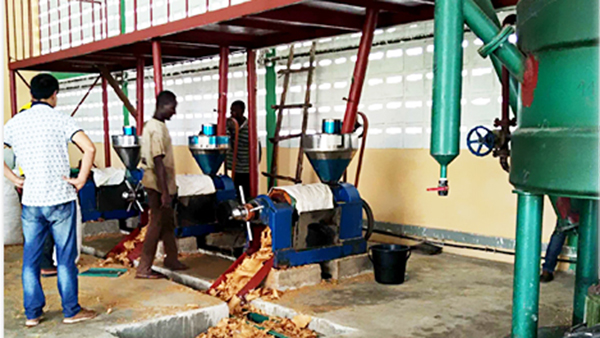
When it comes to soybean oil refining, selecting the correct equipment isn’t just about capacity—it’s about long-term efficiency, consistency, and return on investment. Whether you're a startup or an established processor, understanding the differences between batch, semi-continuous, and continuous refining systems can significantly impact your operational performance.
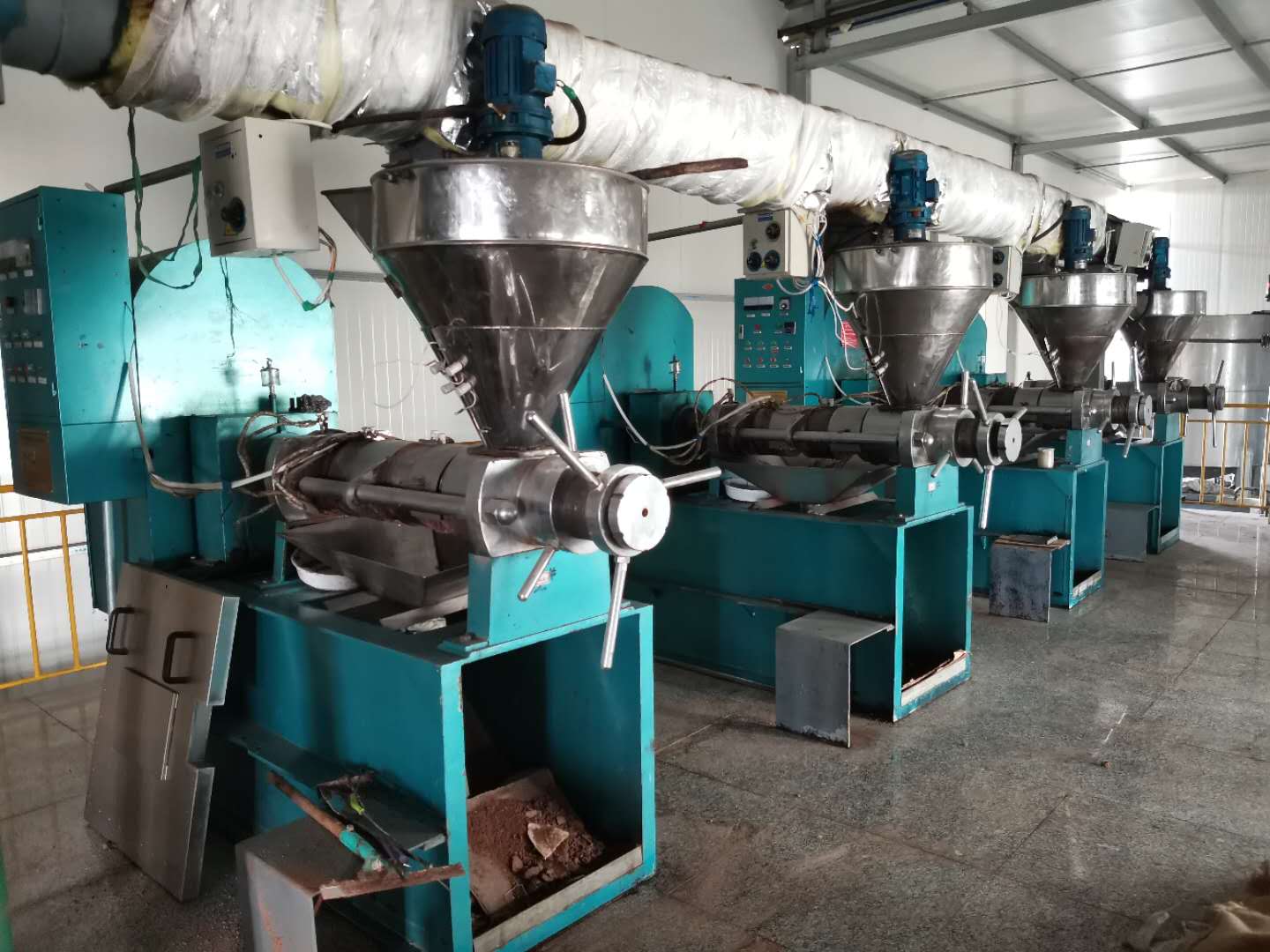
Batch Refining Systems are ideal for small to mid-scale operations (up to 5 tons/day). These systems offer flexibility in processing different feedstocks and require lower upfront capital—typically $25,000–$50,000 for basic setups. However, they demand more manual labor and have higher variability in output quality.
Semi-Continuous Systems strike a balance between automation and cost. With capacities ranging from 5 to 20 tons/day, these units reduce operator dependency while maintaining high consistency. According to industry data from 2023, processors using semi-continuous lines report up to 30% less downtime compared to batch systems.
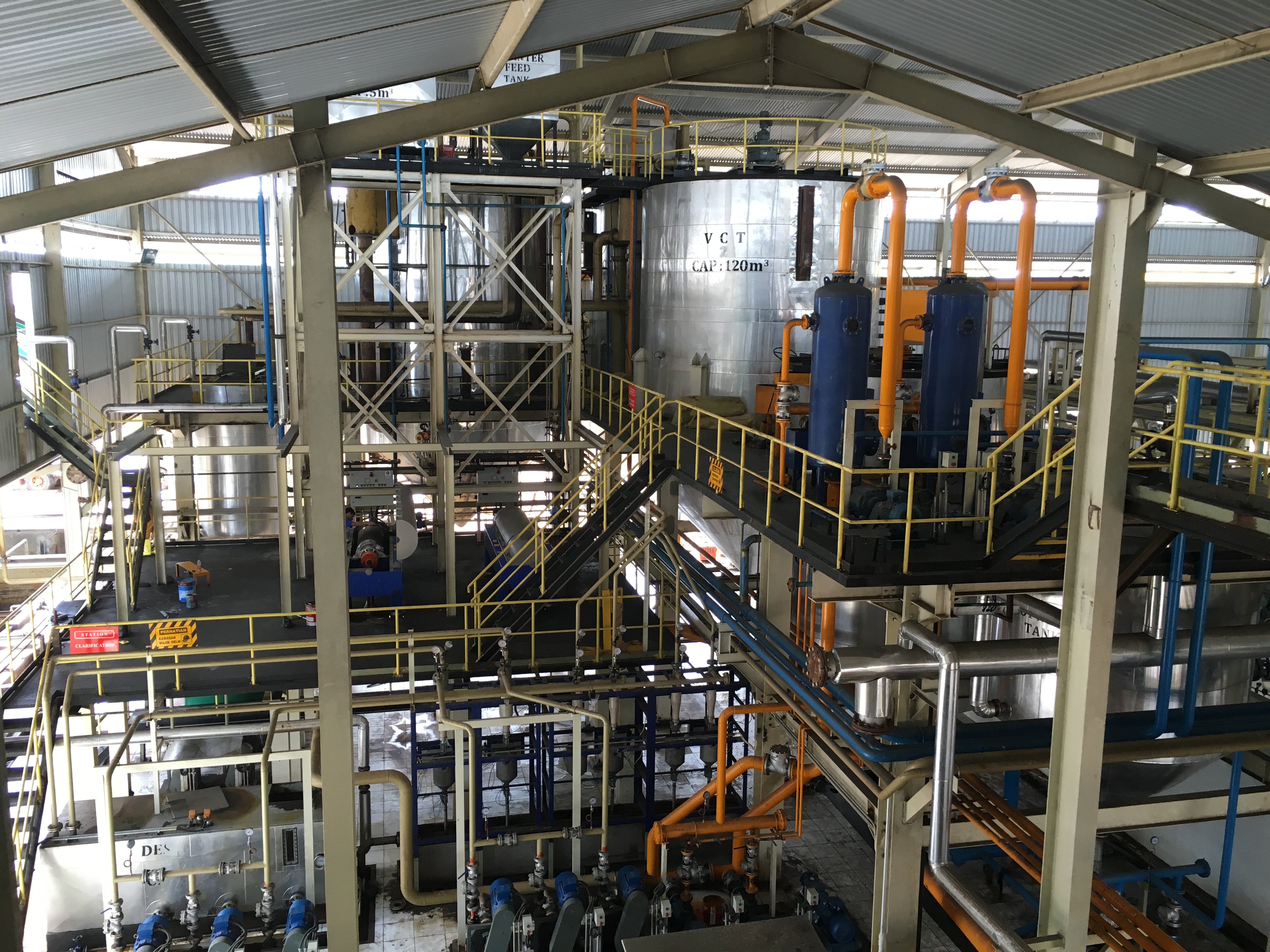
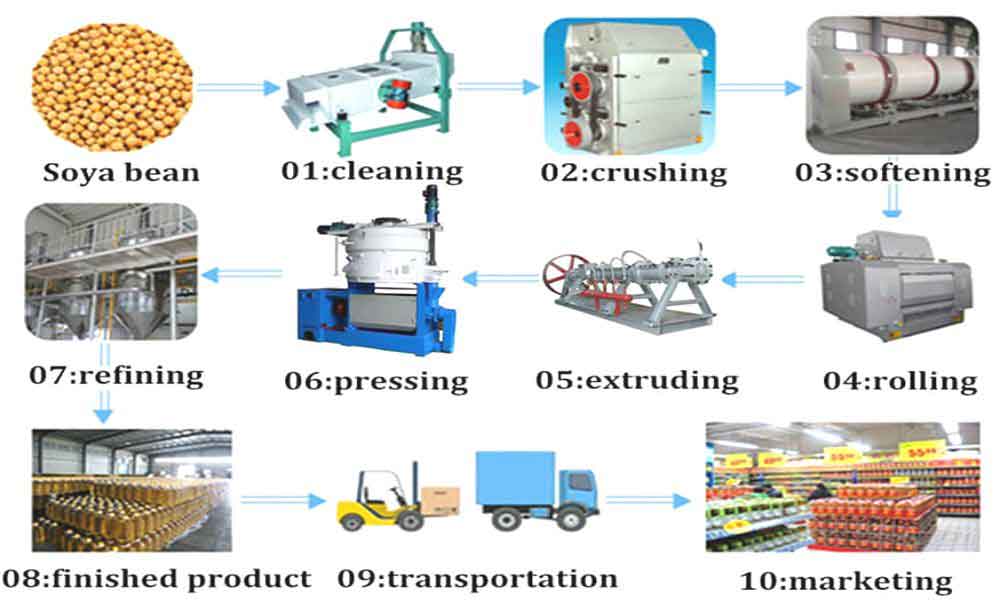
Continuous Refining Lines are the gold standard for large-scale manufacturers (20+ tons/day). They integrate pre-treatment, neutralization, bleaching, deodorization, and packaging into one seamless flow. A well-designed continuous system can achieve over 98% yield efficiency and reduce energy consumption by up to 25% per ton compared to older models.
“We switched from batch to continuous refining last year. Our daily throughput increased by 40%, and our quality control became predictable—not just consistent.” — Maria Lopez, Operations Manager at Verde Oleo S.A., Argentina
To choose wisely, ask yourself:
For example, if you process 10 tons/day and want minimal staffing, a semi-continuous system with PLC control offers optimal ROI within 12–18 months. If your goal is full automation and scalability beyond 30 tons/day, investing in a continuous line now will save money in the long run—even if the initial cost is higher (approx. $150,000–$300,000).
Proper installation is critical—especially for continuous systems. Ensure foundation stability, proper ventilation for deodorizers, and access to clean steam and water supply. Most failures stem from poor setup rather than faulty components.
Regular maintenance includes checking filter pressure drops (ideal range: 0.5–1.0 bar), monitoring vacuum levels during deodorization (should stay below 0.05 mbar), and calibrating pH sensors monthly. Common issues like inconsistent oil clarity often trace back to improper caustic dosing—automated dosing systems help avoid this pitfall.
According to a 2024 survey by Global AgriTech Insights, companies that follow structured preventive maintenance schedules see 60% fewer unplanned shutdowns and extend equipment lifespan by 3–5 years.
Did you know? The global soybean oil refining market is projected to grow at 6.2% CAGR through 2030, driven by rising demand for edible oils and increasing automation adoption in emerging markets like India, Brazil, and Vietnam.
If you’re evaluating options—or already running a plant and looking to upgrade—knowing how to match your needs with the right technology makes all the difference.
Let us guide you through choosing the best solution based on your specific goals, scale, and budget.
Explore Soybean Oil Refining Solutions
 159
|
159
|
 soybean oil press
various models of soybean oil presses
foreign trade soybean oil press
soybean oil press
various models of soybean oil presses
foreign trade soybean oil press
 216
|
soybean oil refining process
phospholipid removal technology
continuous oil refining system
oil degumming and bleaching
edible oil processing techniques
216
|
soybean oil refining process
phospholipid removal technology
continuous oil refining system
oil degumming and bleaching
edible oil processing techniques
 215
|
green soybean oil production
energy efficient oil processing
sustainable vegetable oil manufacturing
food safety standards in oil refining
modern soy oil plant technology
215
|
green soybean oil production
energy efficient oil processing
sustainable vegetable oil manufacturing
food safety standards in oil refining
modern soy oil plant technology
 218
|
multifunctional oil mill
customizable oil mill
soybean oil mill
oil mill selection guide
oil production equipment
218
|
multifunctional oil mill
customizable oil mill
soybean oil mill
oil mill selection guide
oil production equipment
 35
|
soybean oil press machine
industrial soybean oil extraction
spiral oil press maintenance
oil press efficiency improvement
soybean cake recycling
35
|
soybean oil press machine
industrial soybean oil extraction
spiral oil press maintenance
oil press efficiency improvement
soybean cake recycling