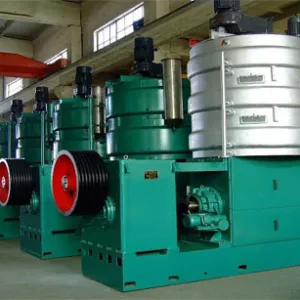
For processors aiming to produce high-quality edible soybean oil, selecting the right refining system is as critical as choosing the right raw materials. Whether you're running a small-scale operation or managing a large industrial plant, understanding how batch, semi-continuous, and continuous systems differ in performance, automation, and scalability can directly impact your product quality, efficiency, and long-term profitability.
Regardless of the system type, all soybean oil refining begins with the same core steps: neutralization (removing free fatty acids), degumming (eliminating phospholipids), bleaching (removing pigments), and deodorizing (removing odors and volatile compounds). Each stage requires precise temperature control, accurate chemical dosing, and consistent process timing — factors that vary significantly across system types.
| System Type | Typical Capacity (kg/h) | Automation Level | Best For |
|---|---|---|---|
| Batch | 50–500 | Manual to semi-auto | Small mills, pilot plants |
| Semi-Continuous | 500–2,000 | Moderate automation | Mid-sized producers |
| Continuous | 2,000–10,000+ | Highly automated | Industrial-scale operations |
In real-world applications, continuous systems often reduce energy consumption by up to 20% compared to batch setups due to optimized heat recovery and reduced downtime between batches. Meanwhile, semi-continuous lines offer a balanced path for companies scaling from 500 kg/h to 2,000 kg/h — ideal for those preparing to expand without overinvesting upfront.
A Malaysian soybean oil producer switched from a manual batch system to a semi-continuous setup in 2022. Within six months, they reported a 35% increase in throughput, a 15% reduction in caustic soda usage, and improved consistency in final oil acidity levels (< 0.1% FFA). Their customers noted better clarity and shelf life — key selling points in export markets like Southeast Asia and the Middle East.
Ready to optimize your refining process?
Our engineers have helped over 120 global clients select and implement the perfect soybean oil refining solution — tailored to their capacity, budget, and quality goals.
Whether you’re evaluating new equipment or optimizing an existing line, the choice isn’t just about volume — it’s about precision, sustainability, and market readiness. Let us help you make the right call.