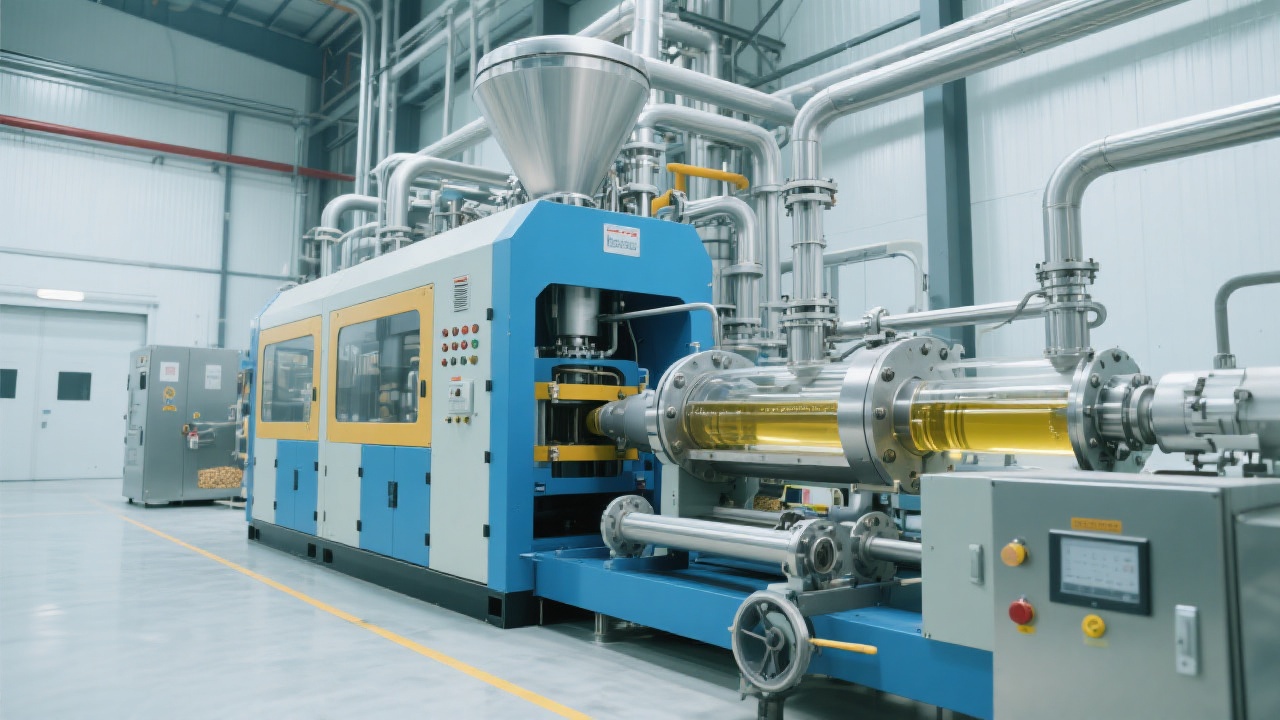
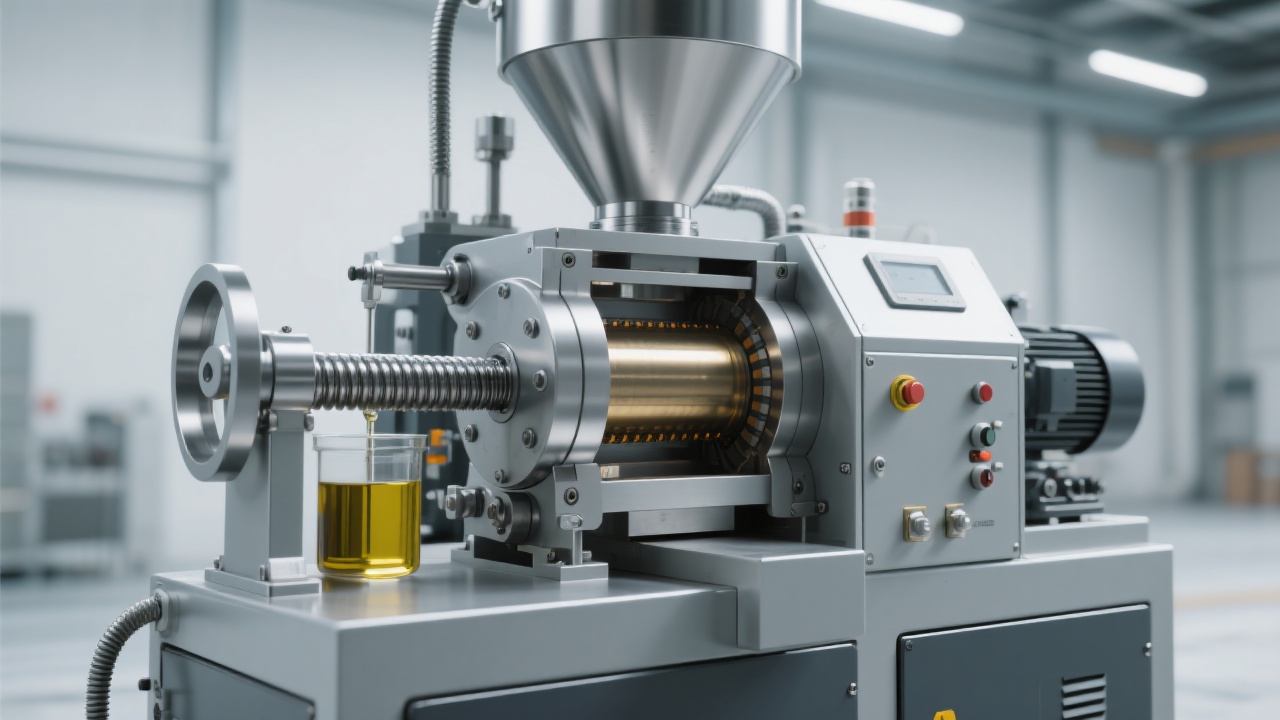
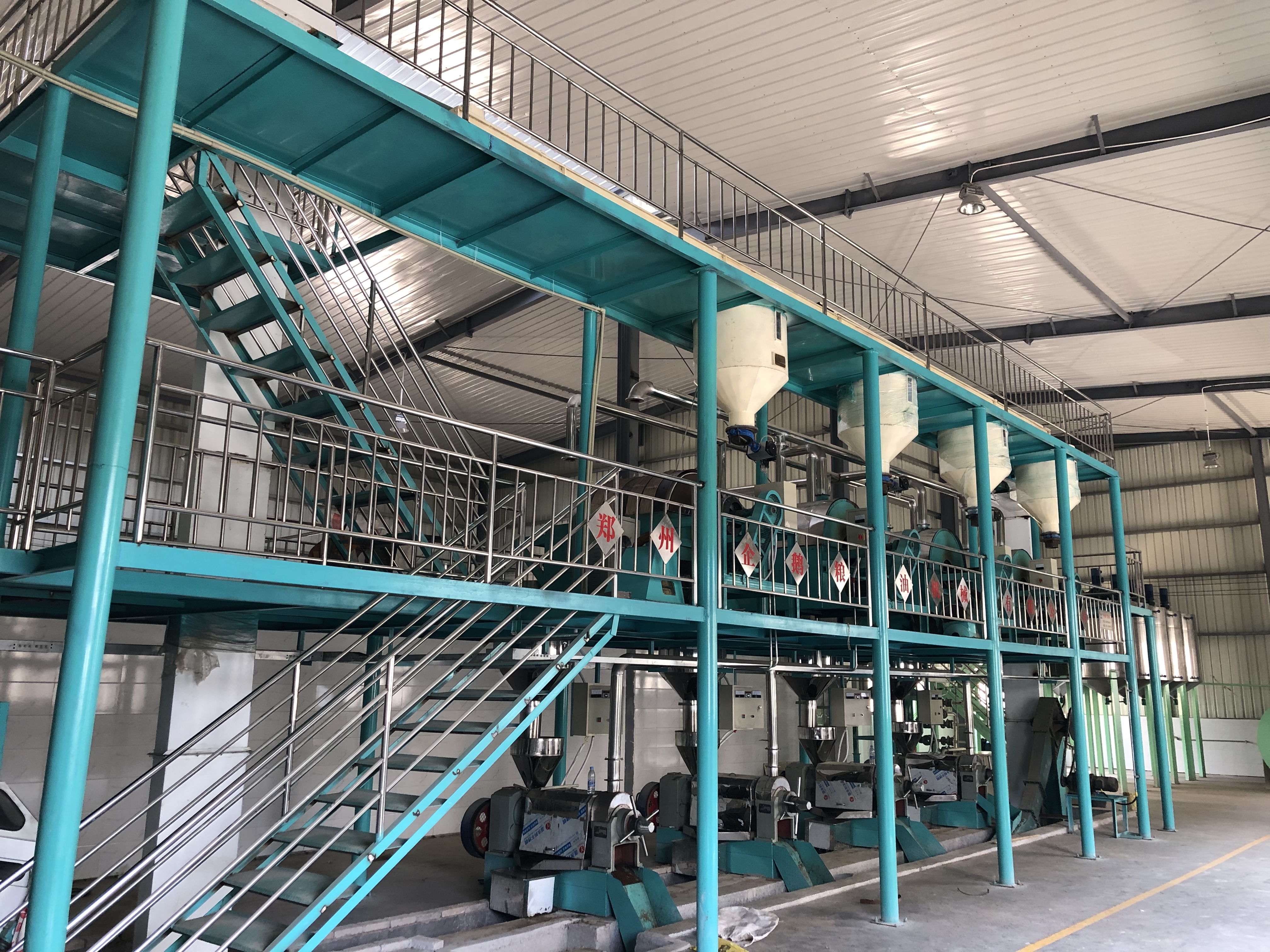
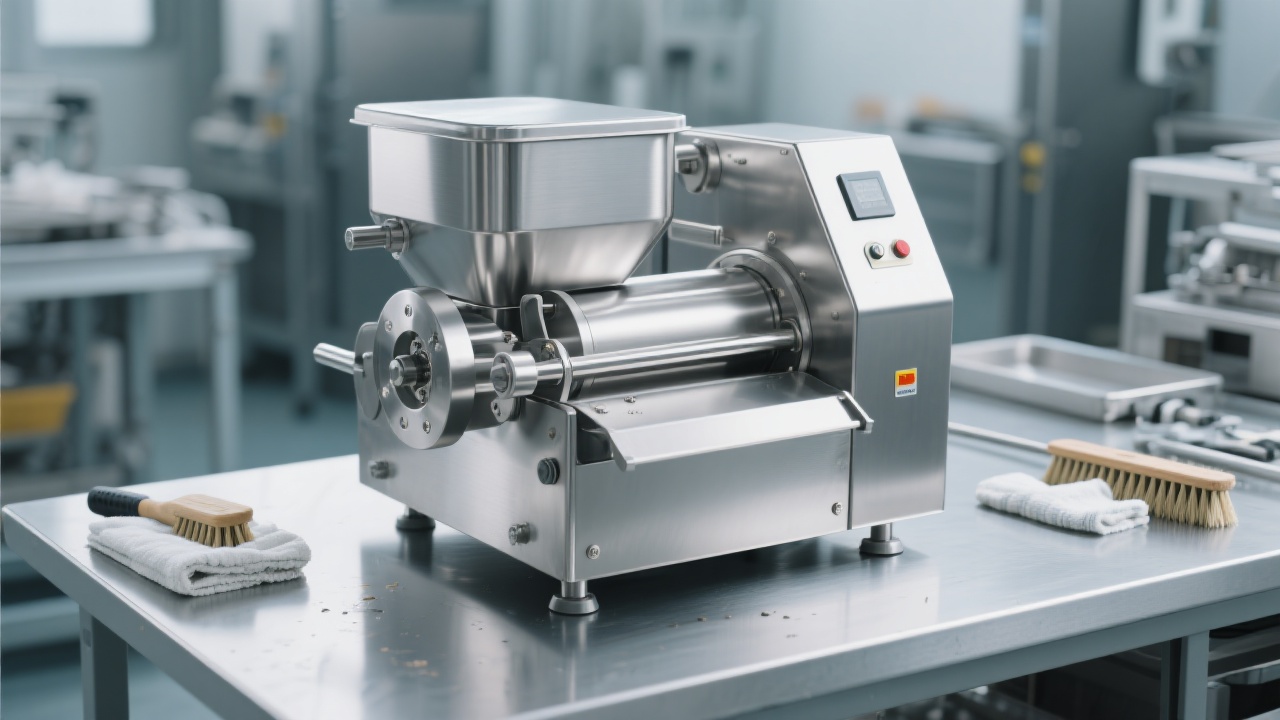
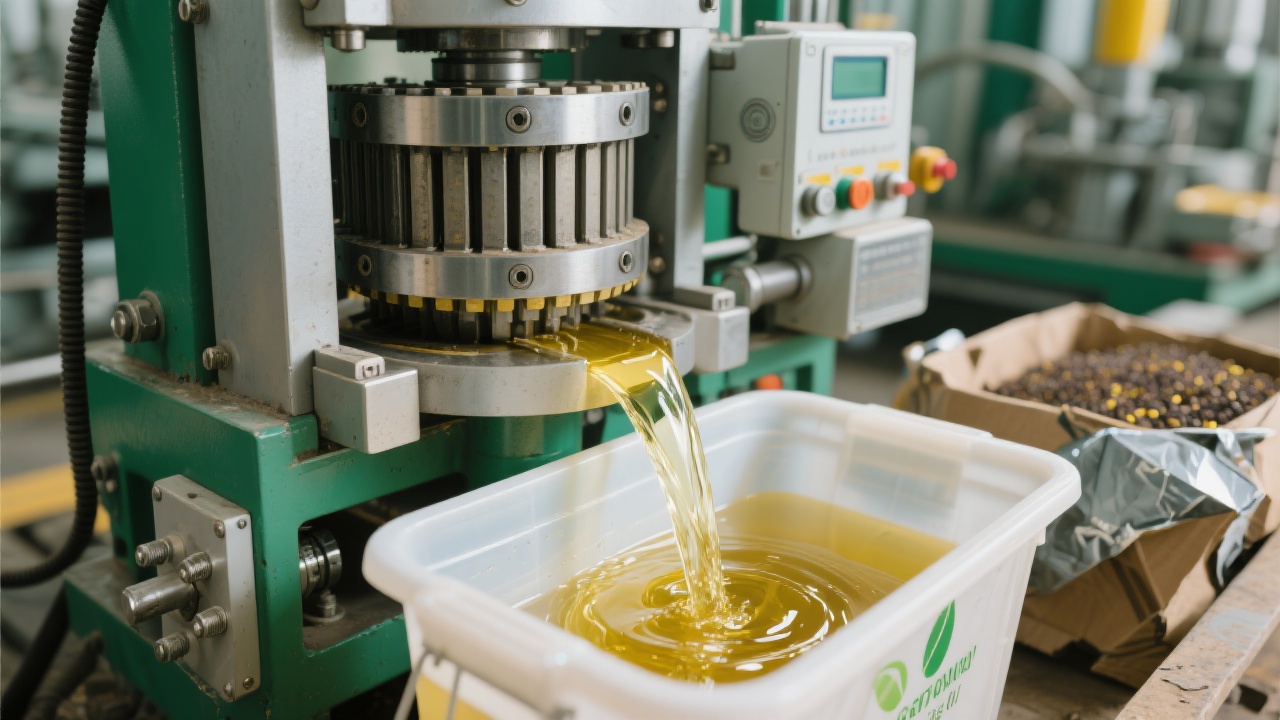
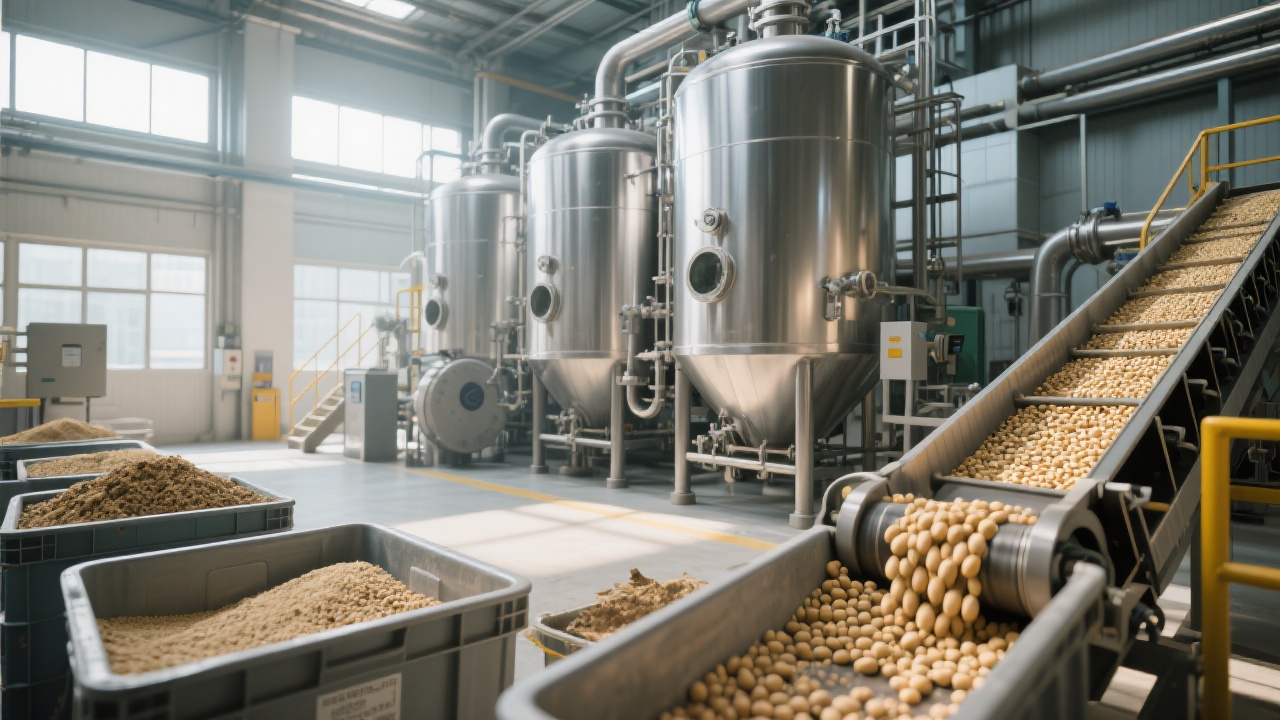
At the heart of the edible oil industry, soybean oil refining plays a pivotal role. But what exactly is soybean oil refining, and why is it so important?
Soybean oil refining is the process of removing impurities, improving color, extending shelf - life, and enhancing taste. These are the core objectives of the refining process. By eliminating unwanted substances such as free fatty acids, phospholipids, and pigments, the quality of the oil is significantly improved.
There are three main types of soybean oil refining systems: batch, semi - continuous, and continuous. Each system has its own characteristics in terms of production capacity, cost, and automation level.
Batch Refining System: This system is suitable for small - scale production. It has relatively low initial investment and simple operation. However, its production capacity is limited, and the automation level is relatively low. The cost per unit of production may be higher due to the need for more manual operations.
Semi - continuous Refining System: It strikes a balance between batch and continuous systems. It offers a moderate production capacity and a certain degree of automation. The cost is also in the middle range, making it a popular choice for medium - sized oil processing enterprises.
Continuous Refining System: With high production capacity and a high level of automation, this system is ideal for large - scale production. Although the initial investment is high, the cost per unit of production is relatively low in the long run. It can also ensure more stable product quality.
To evaluate the performance of a soybean oil refining system, several key technical indicators need to be considered. These include temperature range, deacidification rate, decolorization efficiency, and energy consumption ratio.
For example, the temperature range during the refining process has a significant impact on the quality of the oil. A proper temperature can ensure efficient chemical reactions and reduce the loss of nutrients. The deacidification rate reflects the ability of the system to remove free fatty acids, which is crucial for improving the stability of the oil. Decolorization efficiency is related to the removal of pigments, which can enhance the appearance of the oil. The energy consumption ratio is an important indicator of the system's energy efficiency.
Let's take a look at a real - world success case. A medium - sized oil mill switched from a batch system to a semi - continuous system and achieved a 15% annual increase in production. This case shows that choosing the right refining system can have a significant impact on production efficiency and output.
The operating efficiency of a soybean oil refining system is affected by several factors. These include operating specifications, maintenance frequency, and compliance with safety and environmental regulations.
Proper operating procedures can ensure the normal operation of the system and reduce the occurrence of failures. Regular maintenance can extend the service life of the equipment and improve its performance. Compliance with safety and environmental regulations is not only a legal requirement but also helps to build a good corporate image.
When choosing a soybean oil refining system, enterprises need to consider their own production capacity and quality requirements. A practical evaluation framework can be used to make a scientific decision.
By analyzing the above - mentioned factors, such as production capacity, cost, technical indicators, and success cases, enterprises can select the most suitable refining system for their needs.
Are you looking to optimize your soybean oil refining process? 立即咨询定制化精炼解决方案
 287
|
287
|
 Soybean oil refining
Degumming technology
Neutralization process
Bleaching equipment
Deodorization process
Soybean oil refining
Degumming technology
Neutralization process
Bleaching equipment
Deodorization process
 158
|
Mini Soya Oil Mill Plant
Soybean Oil Press Machine
small-scale soybean oil production
compact soybean oil mill
oil extraction equipment
affordable oil mill plant
easy operation soybean oil mill
versatile oil extraction plant
158
|
Mini Soya Oil Mill Plant
Soybean Oil Press Machine
small-scale soybean oil production
compact soybean oil mill
oil extraction equipment
affordable oil mill plant
easy operation soybean oil mill
versatile oil extraction plant
 174
|
oilseed pretreatment processing equipment
efficient vegetable oil production solutions
customized oilseed processing machinery
174
|
oilseed pretreatment processing equipment
efficient vegetable oil production solutions
customized oilseed processing machinery
 148
|
soybean oil press maintenance
preventive maintenance for oil presses
soybean oil extraction efficiency
oil press troubleshooting
daily equipment upkeep
148
|
soybean oil press maintenance
preventive maintenance for oil presses
soybean oil extraction efficiency
oil press troubleshooting
daily equipment upkeep
 482
|
soybean oil refining process
crude oil degumming
oil neutralization step
oil bleaching techniques
deodorization in vegetable oil processing
482
|
soybean oil refining process
crude oil degumming
oil neutralization step
oil bleaching techniques
deodorization in vegetable oil processing