In the competitive edible oil industry, stringent temperature management coupled with precise chemical dosing during soybean oil refining processes ensures superior product stability, improved color, and extended shelf life. Understanding these technical aspects empowers oil producers to optimize refining workflows, minimize waste, and meet rigorous quality standards consistently.
The goal of soybean oil refining is to remove impurities such as free fatty acids (FFAs), phospholipids (gums), pigments, and odors while preserving beneficial nutrients and maximizing yield. Core stages include degumming, neutralization, bleaching, and deodorization, each requiring specific temperature windows and chemical reagents to achieve optimal separation and purification.
Precision in temperature parameters significantly influences chemical reaction kinetics, emulsification, and contaminant removal efficiency. Below are critical temperature guidelines and reagent recommendations:
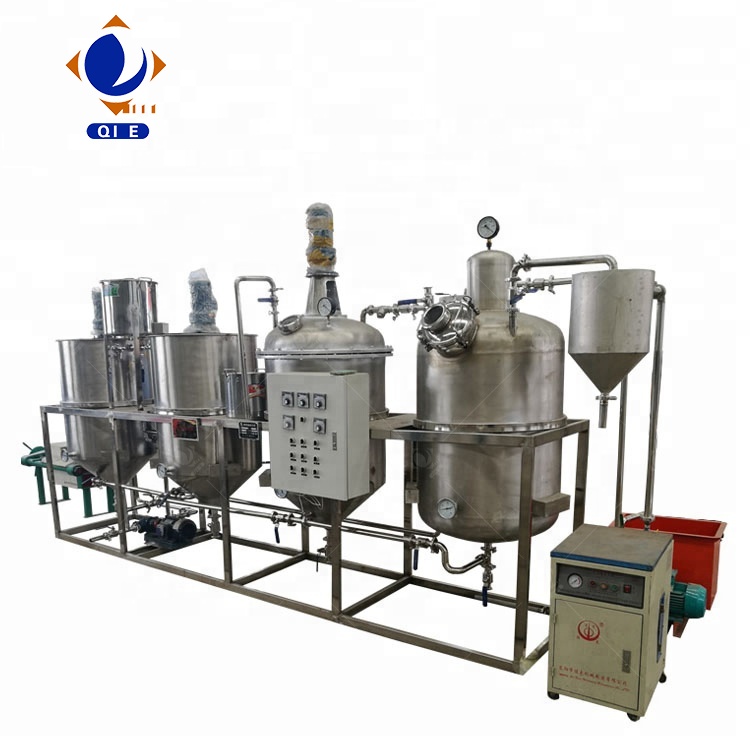
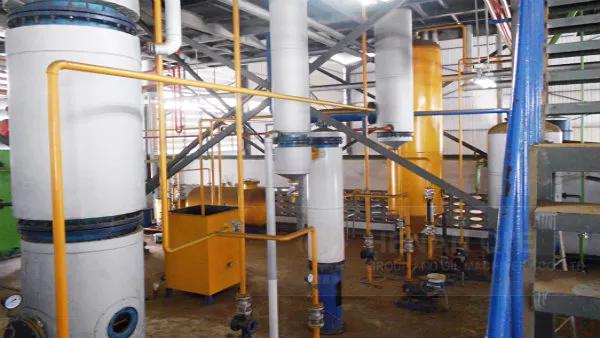
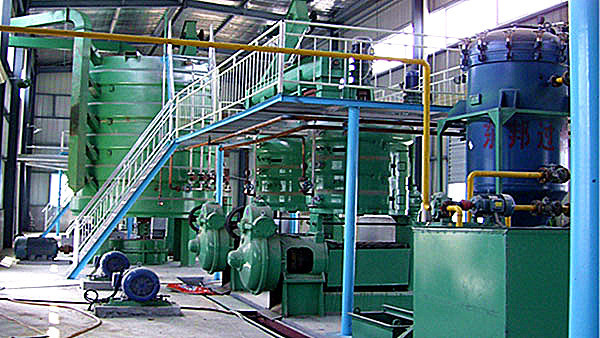
Choosing the right refining system impacts temperature regulation accuracy, chemical utilization, and process automation:
| System Type | Temperature Control | Chemical Efficiency | Automation Level |
|---|---|---|---|
| Batch | Moderate precision; temperature fluctuations possible during batch cycles | Higher chemical usage due to less precise dosing | Low; manual controls dominate |
| Semi-Continuous | Improved stability; partial automation for temperature regulation | Optimized chemical use with better dosage timing | Medium; partial process instrumentation |
| Continuous | High precision with automated PID-controlled heating | Minimal chemical waste via real-time adjustments | High; integrated SCADA systems |
“Consistent temperature control within ±2°C during the bleaching phase can reduce pigment residues by up to 15%, significantly enhancing oil clarity and shelf life.” – Dr. Elaine Morrison, Food Process Engineer
Deviations in temperature or overdosing chemicals destabilize oil by promoting oxidation, foaming, or incomplete impurity removal. For instance, exceeding 110°C during bleaching accelerates lipid oxidation, leading to rancidity within weeks instead of months. Likewise, excessive alkali may form surplus soapstock, complicating downstream separation and reducing yield by 1–3%.
The implementation of China's GB 2716 standard for edible vegetable oils requires process designs that ensure hygiene, limit hazardous residues, and control volatile organic compounds. Specific temperature and dosing controls must align with environmental discharge limits and worker safety protocols, ensuring compliance while maintaining efficiency.
Selecting an appropriate refining system depends on your production capacity and desired automation level:
 210
|
210
|
 Soybean oil mill
Multi - functional oil mill
Customizable oil - producing equipment
Oilseed processing equipment
Oil - producing production line
Soybean oil mill
Multi - functional oil mill
Customizable oil - producing equipment
Oilseed processing equipment
Oil - producing production line
 71
|
oilseed preprocessing equipment
high-efficiency plant oil production solutions
customized oilseed processing technology
71
|
oilseed preprocessing equipment
high-efficiency plant oil production solutions
customized oilseed processing technology
 60
|
Soybean Solvent Extraction Plant
Soybean Oil Press Machine
Solvent Extraction for Soybean Oil
High Yield Soybean Oil Extraction
Industrial Soybean Processing Plant
Soybean Meal Production
Cost-Effective Soybean Oil Extraction
Biodiesel from Soybean Oil
Soybean Oil Refining
Soybean Oil Production Facility
60
|
Soybean Solvent Extraction Plant
Soybean Oil Press Machine
Solvent Extraction for Soybean Oil
High Yield Soybean Oil Extraction
Industrial Soybean Processing Plant
Soybean Meal Production
Cost-Effective Soybean Oil Extraction
Biodiesel from Soybean Oil
Soybean Oil Refining
Soybean Oil Production Facility
 255
|
soybean oil processing
oil yield improvement
refining process optimization
solvent extraction efficiency
automated control systems
255
|
soybean oil processing
oil yield improvement
refining process optimization
solvent extraction efficiency
automated control systems
 398
|
soybean oil mill
oilseed processing
oil extraction rate
customizable production
multi-functional oil mill
398
|
soybean oil mill
oilseed processing
oil extraction rate
customizable production
multi-functional oil mill






.jpg)