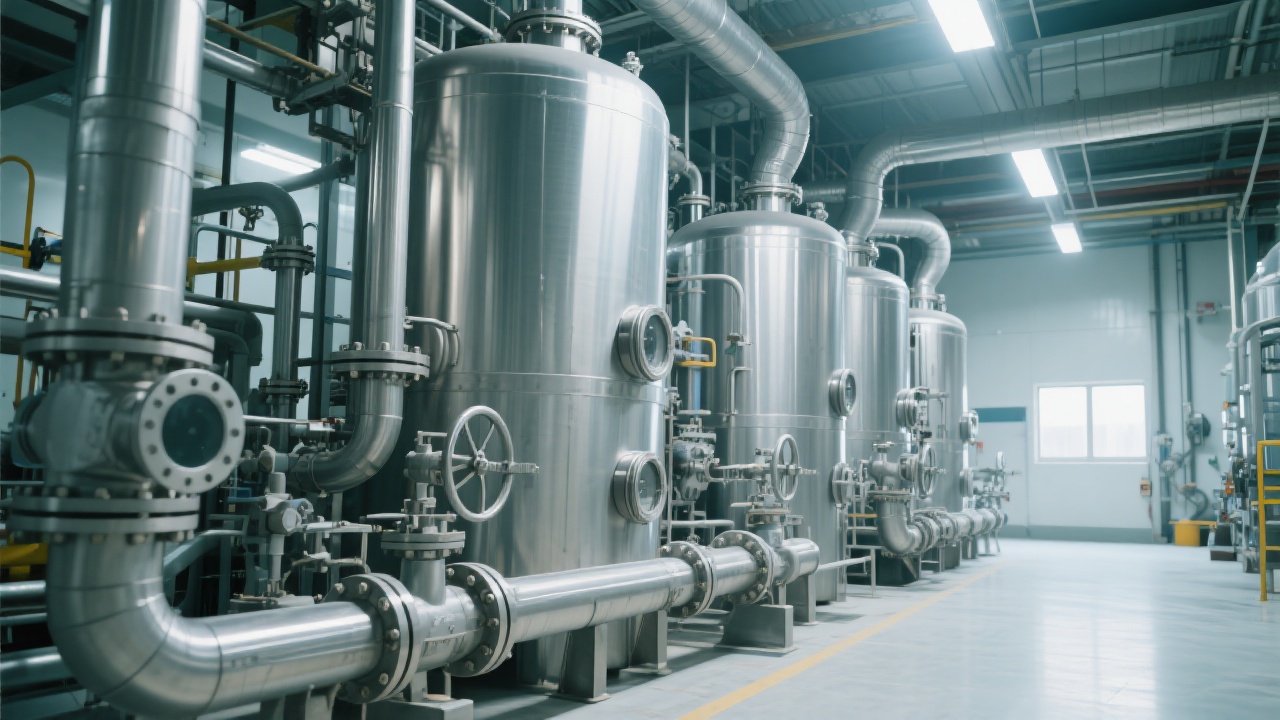
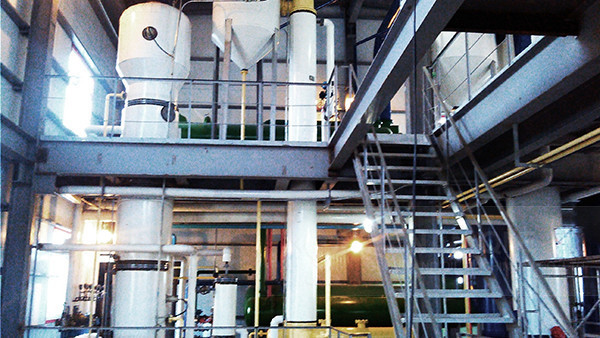
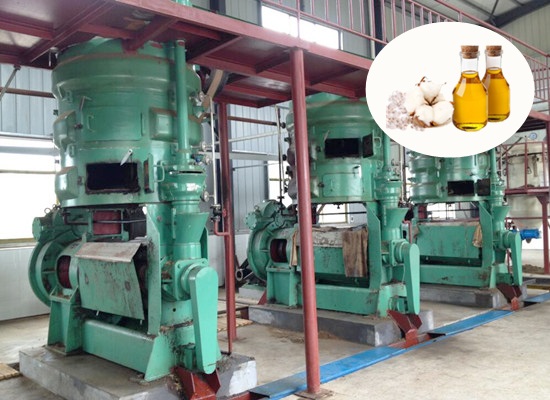
In the international market, soybean oil's quality is a critical factor that directly impacts its shelf - life and market acceptance. The key indicators such as Free Fatty Acids (FFA), color, and oxidation stability play a decisive role. High levels of FFA can lead to a shorter shelf - life and unpleasant odors. Oxidation of the oil not only causes a change in flavor but also degradation of nutrients, making it less appealing to consumers. And a poor color can make the product seem less pure and high - quality.
For example, if the FFA content in soybean oil exceeds 0.5%, it accelerates the spoilage process, reducing the oil's original shelf - life by about 30%. A darker color can make the product less marketable, as consumers in many countries prefer a light - colored and clear soybean oil. By precisely controlling these indicators through advanced refining processes, the oil can have a longer shelf - life and better meet market demands.
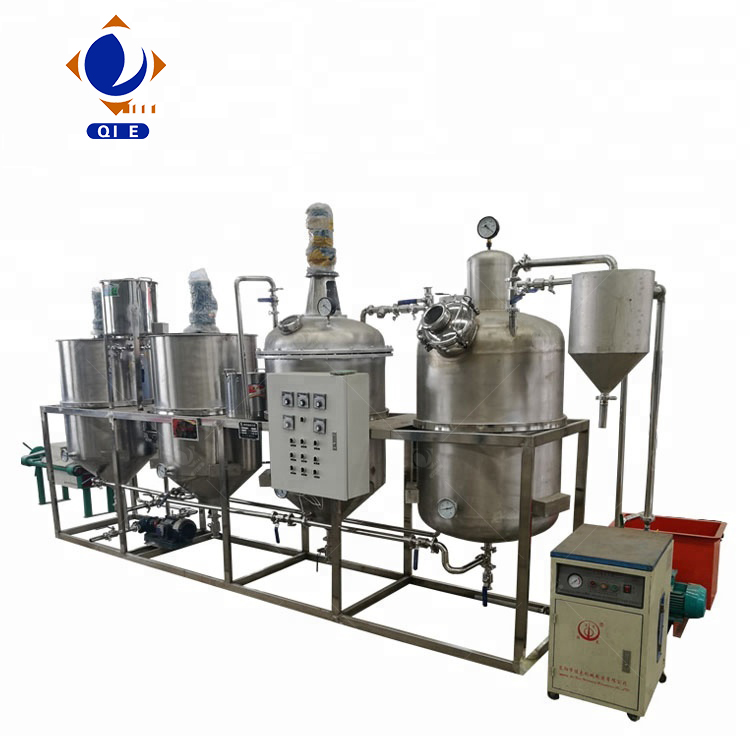
Batch refining systems are characterized by relatively high energy consumption. Each batch process usually consumes 20 - 30% more energy than continuous systems. In terms of consistency, there can be significant differences between batches, with a 15 - 20% variation in FFA removal efficiency. To address these issues, optimizing the heating and cooling processes can reduce energy consumption by about 15%. And using more precise control equipment can improve the consistency of FFA removal to within 5%.
Semi - continuous systems have an intermediate position between batch and continuous systems. They may have some problems in impurity removal efficiency, with an average impurity content of about 0.3% higher than continuous systems. Upgrading the filtration equipment and adjusting the process parameters can reduce the impurity content to less than 0.1%.
Although continuous systems have high efficiency, they require high - precision control. Minor malfunctions can lead to large - scale quality problems. Installing real - time monitoring devices can detect and correct quality issues in time, ensuring a stable output of high - quality soybean oil.
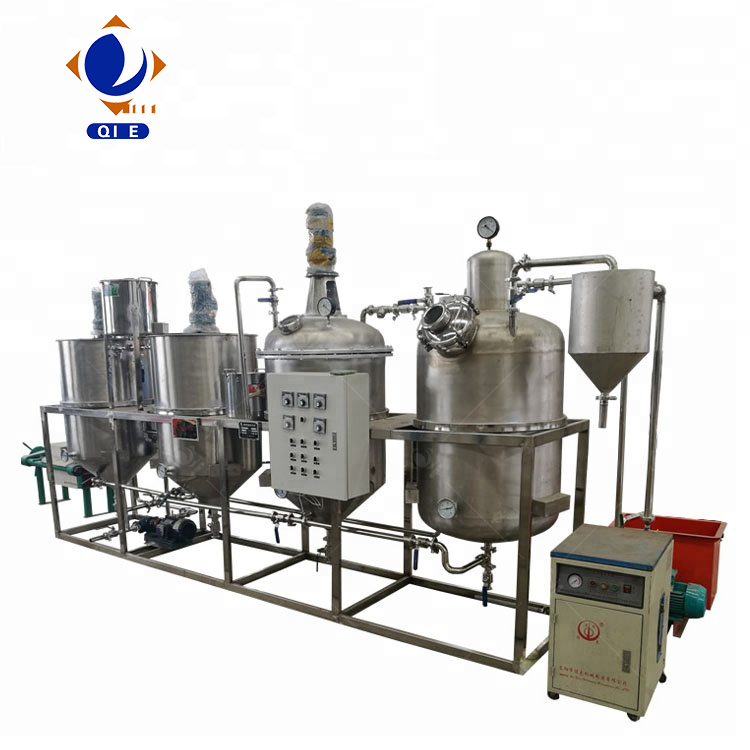
An export - oriented oil mill adopted a new automated refining line. Before the upgrade, the shelf - life of their soybean oil was about 12 months. After the implementation of the new line, the shelf - life was extended to 18 months, a 50% increase. The color score, evaluated on a scale of 1 - 10, increased from 4 to 4.8, an improvement of 20%. This was achieved through a comprehensive optimization of the refining process, from crude oil pretreatment to final product packaging.
Online detectors can continuously monitor key indicators such as FFA, color, and moisture content. For example, an online FFA detector can provide real - time data, allowing operators to adjust the process parameters promptly. PLC automatic control systems can precisely control the temperature, pressure, and flow rate in each refining step. This not only improves the quality stability but also increases production efficiency by about 20 - 30%.
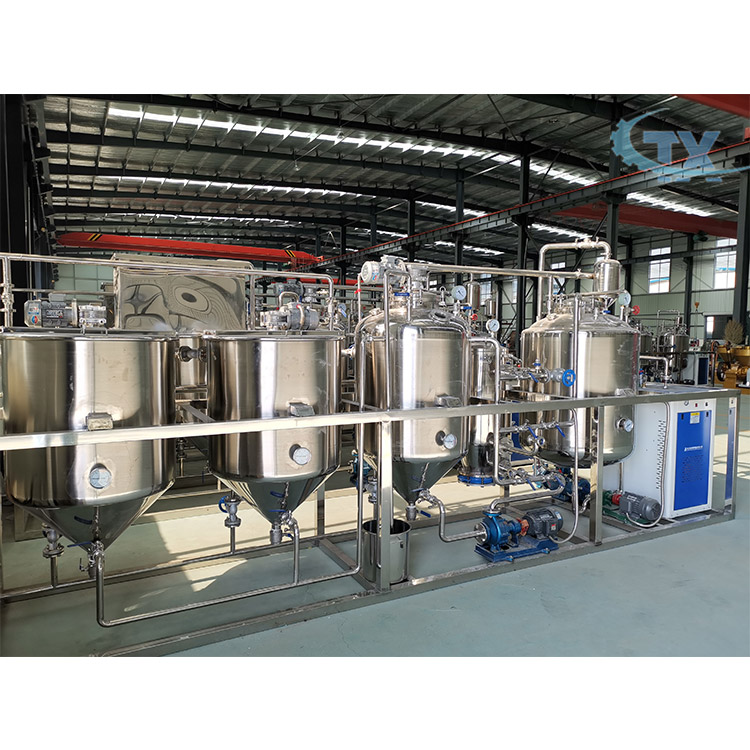
Based on the diverse needs of international customers, food processing enterprises should develop customized refining solutions. By understanding the specific requirements of different markets, such as shelf - life expectations, color preferences, and flavor requirements, enterprises can provide more targeted products. This approach can strengthen the trust of international customers and enhance the competitiveness of products in the international market.
Let your soybean oil be more storable, safer, and more competitive in the international market! Click here to learn more about our advanced soybean oil refining solutions

 242
|
242
|
 Soya Oil Extraction Plant
Soybean Oil Press Machine
Soya Oil Extraction Technology
High Yield Soya Oil Extraction
Cost-Effective Soya Oil Processing
Industrial Soya Oil Refining Plant
Soya Oil Production Solutions
Automated Soya Oil Refinery
Soya Oil Extraction Equipment
Small-Scale Soya Oil Production
Soya Oil Extraction Plant
Soybean Oil Press Machine
Soya Oil Extraction Technology
High Yield Soya Oil Extraction
Cost-Effective Soya Oil Processing
Industrial Soya Oil Refining Plant
Soya Oil Production Solutions
Automated Soya Oil Refinery
Soya Oil Extraction Equipment
Small-Scale Soya Oil Production
 379
|
soybean oil press maintenance
screw shaft maintenance
pressing chamber cleaning
oil extraction efficiency improvement
equipment fault troubleshooting
379
|
soybean oil press maintenance
screw shaft maintenance
pressing chamber cleaning
oil extraction efficiency improvement
equipment fault troubleshooting
 443
|
processing procedures
operating guide
equipment maintenance
443
|
processing procedures
operating guide
equipment maintenance
.jpg?x-oss-process=image/resize,h_300,m_lfit/format,webp) 222
|
Soybean Oil Mill
Soybean Oil Press Machine
High Yield Soybean Oil Mill
Cost-Effective Soybean Oil Production
Automatic Soybean Oil Mills
Versatile Soybean Oil Mill
Sustainable Soybean Oil Extraction
Soybean Oil Mill for Animal Feed
Industrial Soybean Oil Production
Soybean Oil Mill Applications
222
|
Soybean Oil Mill
Soybean Oil Press Machine
High Yield Soybean Oil Mill
Cost-Effective Soybean Oil Production
Automatic Soybean Oil Mills
Versatile Soybean Oil Mill
Sustainable Soybean Oil Extraction
Soybean Oil Mill for Animal Feed
Industrial Soybean Oil Production
Soybean Oil Mill Applications
 437
|
Soybean oil refining process
Key technical indicators
Batch refining system
Continuous refining equipment
Edible oil quality improvement
437
|
Soybean oil refining process
Key technical indicators
Batch refining system
Continuous refining equipment
Edible oil quality improvement