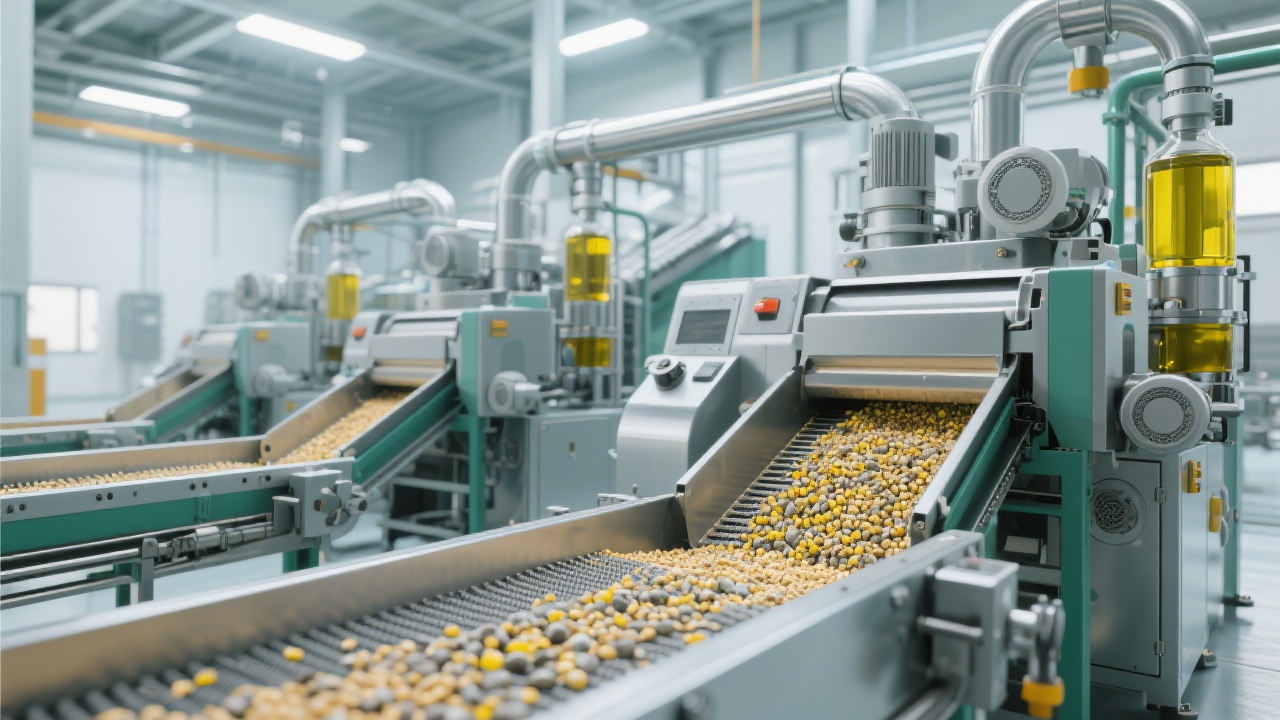
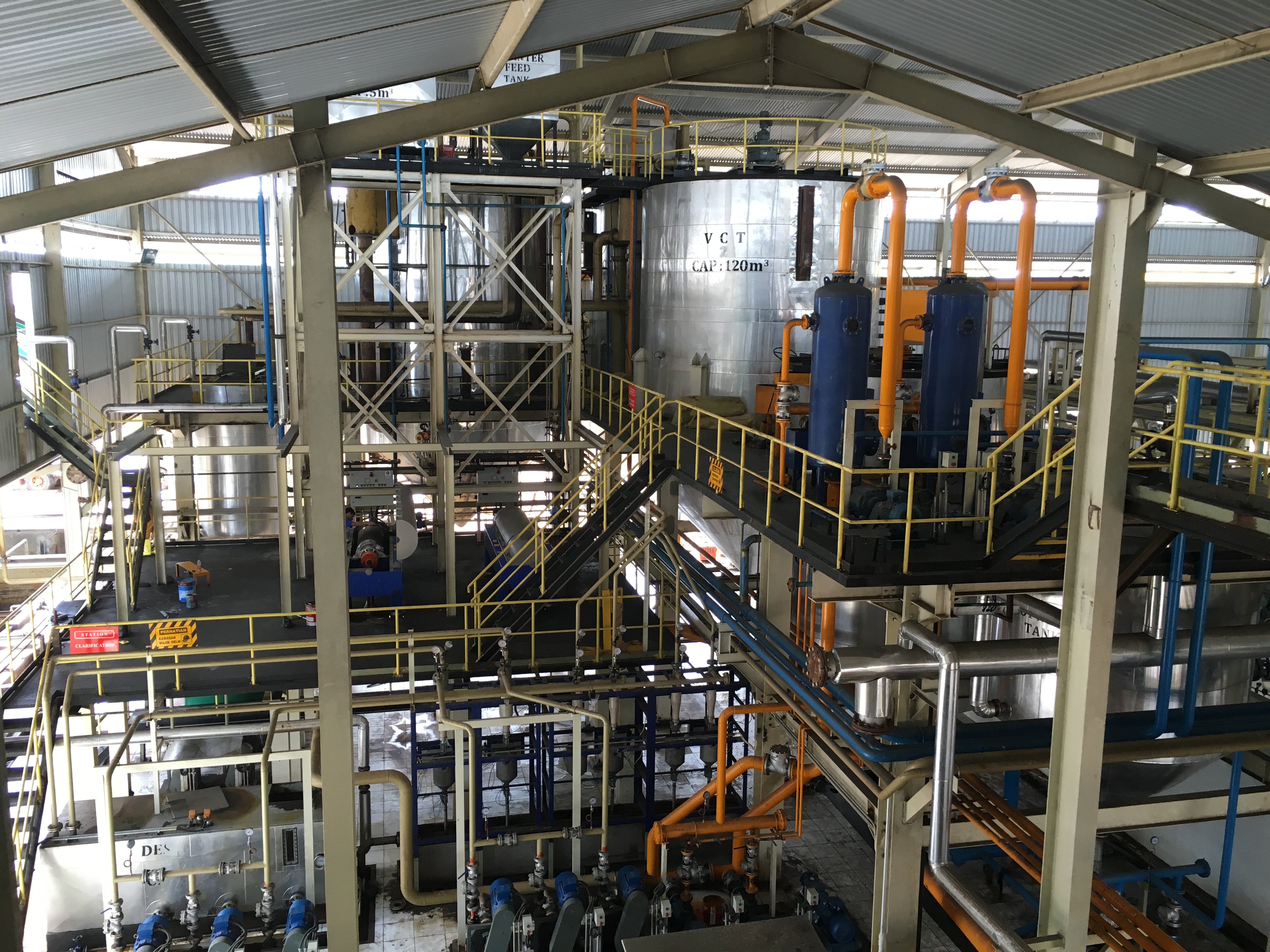
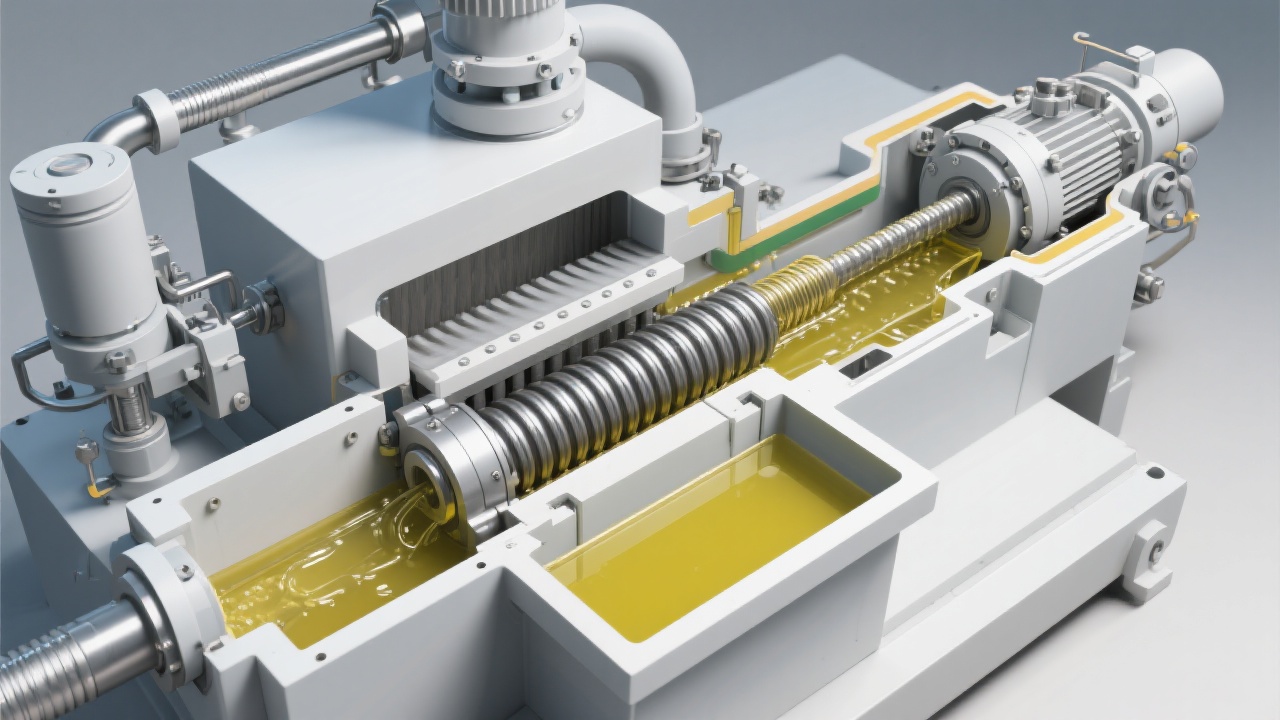
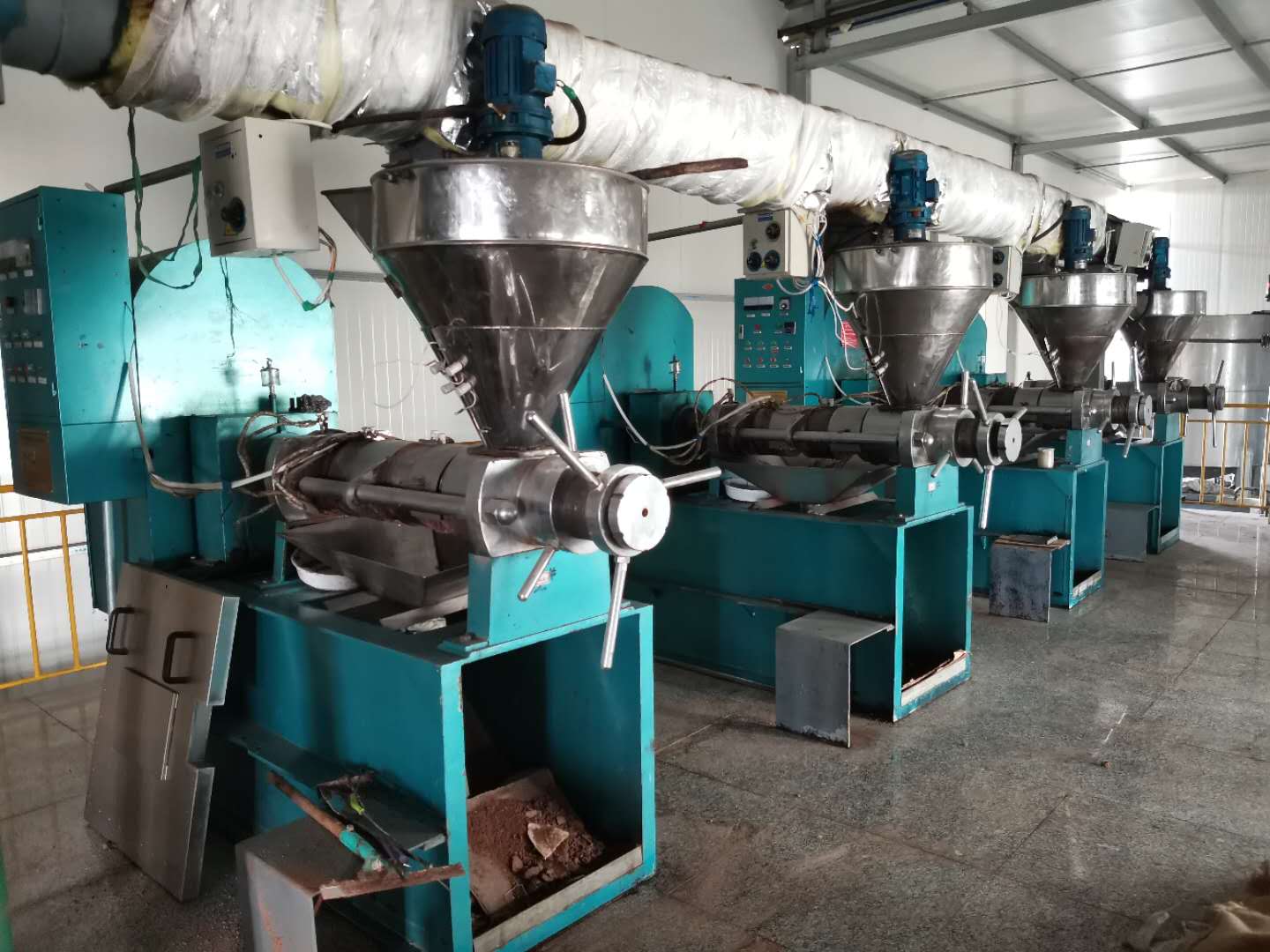
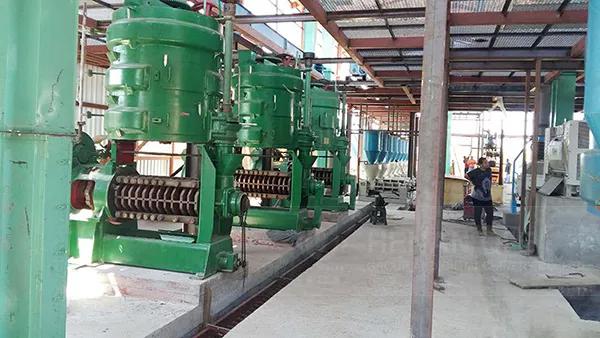
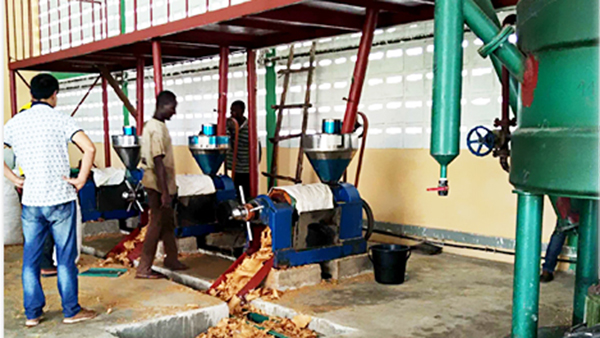
In the soybean oil industry, two extraction routes dominate plant design conversations: solvent extraction (typically hexane-based) and mechanical pressing (screw press / expeller). Both can produce commercial-grade crude soybean oil, yet their performance differs sharply in oil recovery, energy profile, meal quality, safety compliance, and scalable economics.
This article objectively compares the two processes with commonly cited industrial reference ranges—so non-engineering decision makers can quickly map technology to plant size, targets, and risk tolerance.
Uses high pressure and friction inside a screw press to squeeze oil out of conditioned/flaked soybeans. It is mechanically simpler but leaves more residual oil in the soybean meal.
Uses a food-grade hydrocarbon solvent (commonly n-hexane) to dissolve oil from flakes, then recovers the solvent via evaporation/stripping and a closed-loop recovery system. It is more complex, but designed for maximum oil recovery at industrial scale.
Numbers vary with bean quality, conditioning, flake thickness, extractor design, and solvent recovery efficiency. Still, the ranges below reflect what many modern soybean oil plants aim for in steady operation.
| Metric | Mechanical Pressing | Solvent Extraction |
|---|---|---|
| Oil recovery (of available oil) | ~85%–92% (single press); up to ~93%–95% with optimized pre-treatment | ~97%–99% (modern extractor + strong solvent recovery) |
| Residual oil in soybean meal | ~5%–8% (can be higher if press is overloaded) | ~0.5%–1.2% |
| Typical plant capacity fit | Small to mid-size lines; often chosen for simplicity | Mid to large industrial plants where oil yield dominates unit economics |
| Energy profile (where energy is spent) | More mechanical power; heat generated in pressing; simpler thermal system | More thermal duty (evaporation/stripping) but often optimized via heat integration |
| Meal quality control | Higher residual oil can boost meal energy but makes fat level less consistent | Low residual oil; protein quality depends strongly on DT/DTDC temperature control |
| Process complexity & compliance | Lower complexity; fewer solvent-related safety systems | Higher complexity: explosion-proof design, VOC control, solvent recovery and monitoring |
The most decisive economic lever is usually the gap between ~0.5%–1.2% meal residual oil (solvent) versus ~5%–8% (pressing). In a large plant, that “missing” oil becomes hard to ignore.
Soybeans typically contain about 18%–20% oil. If a facility processes 1,000 tons/day, a residual oil difference of even 3%–6% in the meal can translate to 5–12 additional tons of oil per day recovered by solvent extraction (depending on incoming oil content and line stability). At scale, that becomes a strategic advantage rather than a technical detail.
Industrial feed markets often prefer predictable fat and moisture levels. Solvent extraction typically targets ~0.5%–1.2% residual oil with controlled desolventizing-toasting. In contrast, pressing can drift more under fluctuations in flake quality, press wear, or throughput changes.
Well-designed solvent recovery loops typically aim for hexane loss around 0.2–0.6 kg per ton of soybeans (actual performance depends on sealing, condenser sizing, vent recovery, and operator discipline). This is where engineering maturity matters: tight recovery lowers operating cost, improves EH&S performance, and makes permitting more straightforward.
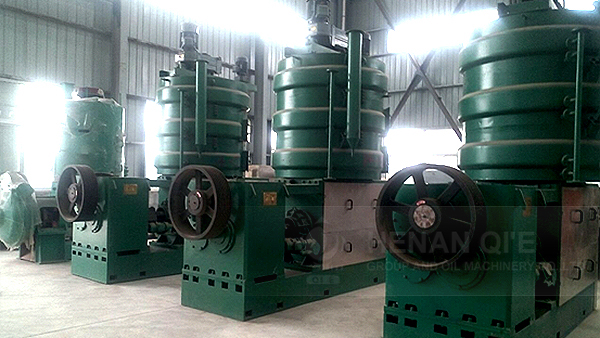
DT/DTDC (Desolventizer-Toaster / Desolventizer-Toaster-Dryer-Cooler): Removes solvent from meal and toasts it to inactivate anti-nutritional factors. Temperature and residence time influence protein quality and meal color.
Miscella: Solvent + oil mixture leaving the extractor. It goes through evaporation and stripping to recover crude oil and recycle solvent.
Solvent recovery system: Condensers, absorbers, vent recovery, seals, and instrumentation designed to reduce hexane loss and control VOC emissions while maintaining safe operation.
In many markets, the industry trend is not “pressing or solvent,” but pressing as a front-end step for certain oilseeds, while soybeans at large capacity typically go straight into flake + solvent extraction. For soy, the economics often center on meal residual oil targets and how quickly the plant needs to scale.
Case reference (typical industry scenario): A regional soybean processor upgrading from a few hundred tons/day to above ~1,000 tons/day often reports that the “yield gap” becomes the dominant driver. After commissioning a modern extractor with improved condensation and vent recovery, the plant typically targets meal residual oil near 1% and stabilizes oil output with fewer fluctuations across seasonal bean variability.
.jpg)
Step 1 — What is your target daily throughput?
Step 2 — Is low residual oil in meal a commercial requirement?
Step 3 — Can your site support solvent safety and environmental controls?
In practice, many projects succeed or fail not because of the extraction choice alone, but because of how well the solvent recovery loop (or press stability and maintenance plan) is engineered and operated.
For many large plants, the best gains come from “small” improvements that compound over time: tighter sealing to cut air ingress, right-sized condensers, stable miscella concentration control, DTDC tuning to reduce solvent carryover, and better monitoring to prevent invisible losses.
For engineering teams, these are measurable levers: meal residual oil, hexane loss (kg/t), extractor bed permeability, and steam/thermal integration. For management, they translate into steadier output, lower compliance risk, and improved profitability per ton.
If your target is higher oil recovery, lower meal residual oil, and more disciplined solvent loss control, QIE Group can help you benchmark your current line and identify the fastest-impact optimization points—from extractor parameters to solvent recovery integration.
Explore QIE Group’s solvent extraction system optimization planTypical outputs include a practical retrofit roadmap, key KPIs to track weekly, and a compliance-friendly recovery strategy aligned with your capacity goals.

 216
|
216
|
 soybean oil refining process
phospholipid removal technology
continuous oil refining system
oil degumming and bleaching
edible oil processing techniques
soybean oil refining process
phospholipid removal technology
continuous oil refining system
oil degumming and bleaching
edible oil processing techniques
 305
|
soybean oil factory
multistep production
step optimization
economic benefits
soybean oil production process
305
|
soybean oil factory
multistep production
step optimization
economic benefits
soybean oil production process
 261
|
Soybean Oil Expeller Machine
Efficient Soybean Oil Press Machine
Soybean Oil Extraction Equipment
High Yield Soybean Oil Press
Industrial Soybean Oil Expeller
Cold Pressed Soybean Oil Machine
Hot Pressing Soybean Oil Expeller
Hydraulic Soybean Oil Extractor
Soybean Cake Production Machine
Versatile Soybean Oil Extraction
261
|
Soybean Oil Expeller Machine
Efficient Soybean Oil Press Machine
Soybean Oil Extraction Equipment
High Yield Soybean Oil Press
Industrial Soybean Oil Expeller
Cold Pressed Soybean Oil Machine
Hot Pressing Soybean Oil Expeller
Hydraulic Soybean Oil Extractor
Soybean Cake Production Machine
Versatile Soybean Oil Extraction
 295
|
soybean oil press machine
efficient oil extraction equipment
advantages of different types of soybean oil presses
295
|
soybean oil press machine
efficient oil extraction equipment
advantages of different types of soybean oil presses
 52
|
oilseed preprocessing equipment
efficient plant oil production solutions
comprehensive oilseed processing services
52
|
oilseed preprocessing equipment
efficient plant oil production solutions
comprehensive oilseed processing services