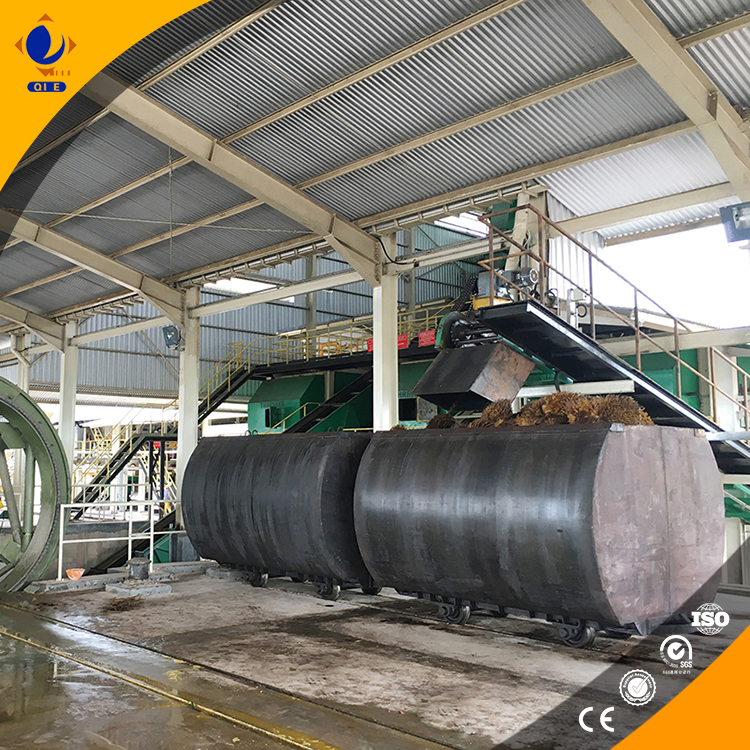
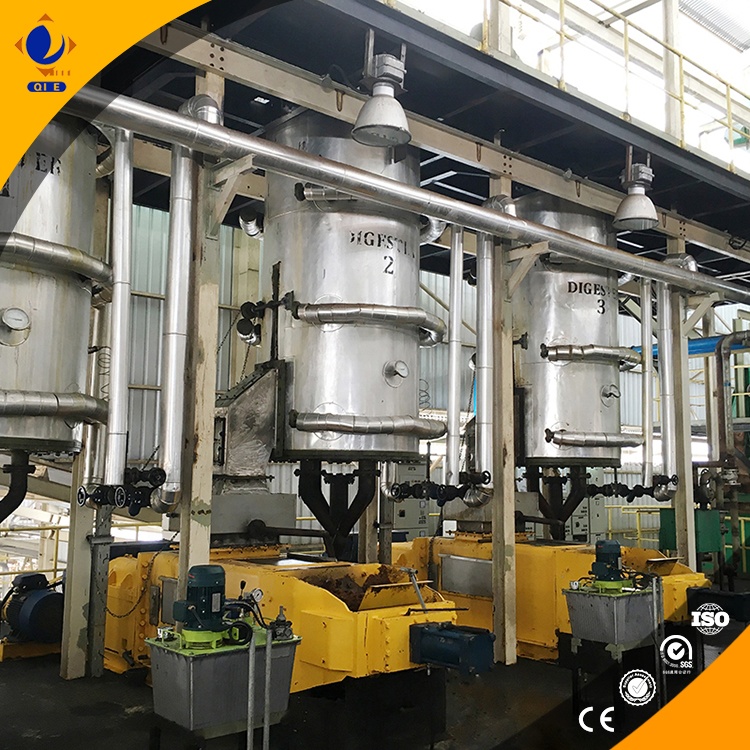
In today's competitive edible oil processing industry, soybean solvent extraction plants face dual pressures: optimizing production costs while meeting increasingly stringent environmental regulations. One often overlooked yet vital factor impacting both these goals is hexane recovery efficiency. Studies show that a mere 1% increase in hexane recovery can translate to annual savings of $50,000-$150,000 for a medium-sized extraction facility, while simultaneously reducing VOC emissions by approximately 200 tons per year.
Industry Challenge:
Many soybean processors operate with hexane recovery rates below 95%, unaware that achieving 98%+ recovery is both technically feasible and economically advantageous. Are you leaving money on the table while exposing your facility to unnecessary environmental risks?
Through extensive analysis of over 50 soybean extraction plants across North America and Europe, our engineers at 企鹅集团 (QIE Group) have identified four primary factors contributing to suboptimal hexane recovery:
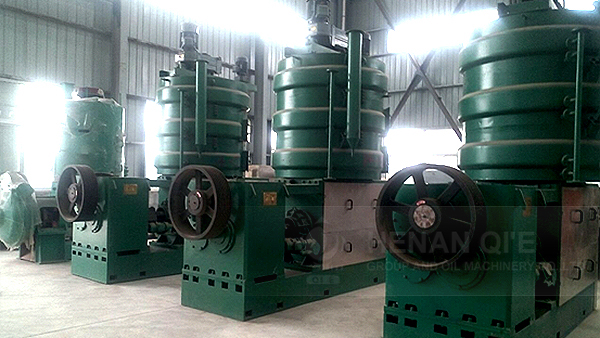
The heart of any solvent recovery system lies in its evaporation and condensation efficiency. Modern systems equipped with counter-current heat exchangers can achieve heat transfer coefficients of 800-1200 W/(m²·K), compared to 400-600 W/(m²·K) in older designs.关键性的改进包括采用板式换热器代替传统壳管式设计,使维护清洗时间减少60%,同时提高热效率15-20%。
Our field data from 12 plant retrofits demonstrates that implementing advanced PID control systems for desolventizer-toaster temperature results in consistent recovery rates 2.5-3% higher than manual operation. Maintaining temperatures within a tight range of 105-110°C optimizes hexane separation while minimizing protein denaturation in the meal.

Stabilizing miscella concentration through automated blending systems reduces solvent consumption by 8-12%. By maintaining a consistent 30% concentration, plants can optimize distillation column performance, reducing both energy usage and hexane losses.
A systematic approach to equipment sealing can reduce fugitive emissions by 70-80%. This includes implementing double mechanical seals on pumps, PTFE gaskets in critical joints, and ultrasonic leak detection programs that identify issues before they escalate into significant losses.
| Performance Metric | Traditional High-Temp Operation | Precision Control System | Improvement |
|---|---|---|---|
| Hexane Recovery Rate | 94.2% | 98.5% | +4.3% |
| Energy Consumption | 85 kWh/ton | 68 kWh/ton | -20% |
| VOC Emissions | 3.2 kg/ton | 0.8 kg/ton | -75% |
| Annual Savings (100MT/day plant) | Baseline | $127,000 | +127,000 |
Data based on 6-month case study at mid-sized U.S. soybean extraction facility, 2022
Improving hexane recovery doesn't require a complete system overhaul. Our experience shows that implementing these targeted measures can typically提升回收率2-4% within 3-6 months:
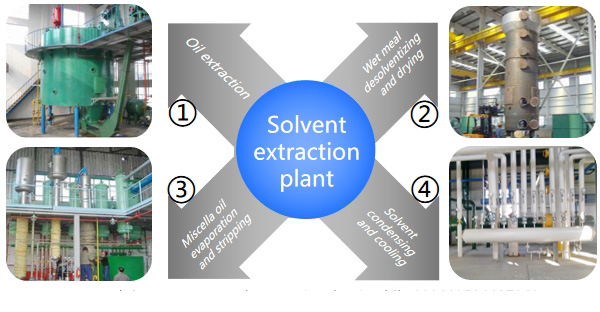
With tightening regulations on volatile organic compound (VOC) emissions worldwide, hexane recovery has become a compliance imperative. The EPA's new MACT standards require facilities to achieve 95%+ recovery efficiency, while the EU's Industrial Emissions Directive sets even stricter limits. A 98% recovery rate not only exceeds these requirements but also positions your operation as an environmental leader in the industry.
让每滴己烷都物尽其用 (Make every drop of hexane count) — 不止节能,更是合规保障.
Take the first step toward 98%+ hexane recovery rates, significant cost savings, and environmental compliance. Our team of experts at 企鹅集团 (QIE Group) will conduct a comprehensive assessment of your facility and deliver a customized optimization plan.
Schedule Your Free Hexane Recovery AssessmentRemember, in soybean solvent extraction, hexane isn't just a processing cost—it's a valuable resource that deserves maximum recovery. The technology and expertise to achieve 98%+ recovery rates are available today, and the return on investment typically ranges from 8-14 months for most facilities. Don't let inefficient recovery continue eating into your profits and exposing your operation to regulatory risks.
 324
|
324
|
 soybean solvent extraction hexane recovery
hexane recovery technology optimization
solvent extraction evaporation condensation system
desolventizing temperature control
miscella concentration management
soybean solvent extraction hexane recovery
hexane recovery technology optimization
solvent extraction evaporation condensation system
desolventizing temperature control
miscella concentration management
 81
|
Soyabean Refined Oil Making Machine
Soybean Oil Press Machine
Batch Oil Refinery Machine
Continuous Oil Refinery Machine
Semi-Automatic Refinery Machine
Mini Oil Refinery Machine
Refined Soybean Oil Production
Effective Soybean Oil Refining
High-Quality Vegetable Oil Equipment
Oil Refining Technology Solutions
81
|
Soyabean Refined Oil Making Machine
Soybean Oil Press Machine
Batch Oil Refinery Machine
Continuous Oil Refinery Machine
Semi-Automatic Refinery Machine
Mini Oil Refinery Machine
Refined Soybean Oil Production
Effective Soybean Oil Refining
High-Quality Vegetable Oil Equipment
Oil Refining Technology Solutions
 173
|
customized vegetable oil production line
oilseed preprocessing equipment
high ROI vegetable oil processing
173
|
customized vegetable oil production line
oilseed preprocessing equipment
high ROI vegetable oil processing
 320
|
Soybean Oil Machines
Efficient Extraction
Sustainability
320
|
Soybean Oil Machines
Efficient Extraction
Sustainability
 36
|
Soybean Oil Press
Screw Oil Press
Hydraulic Soybean Oil Press
Integrated Oil Press with Filter
Soybean Oil Production
Cold Pressed Soybean Oil
Soybean Cake Production
Cost-Effective Oil Press
Energy Efficient Soybean Oil Press
36
|
Soybean Oil Press
Screw Oil Press
Hydraulic Soybean Oil Press
Integrated Oil Press with Filter
Soybean Oil Production
Cold Pressed Soybean Oil
Soybean Cake Production
Cost-Effective Oil Press
Energy Efficient Soybean Oil Press