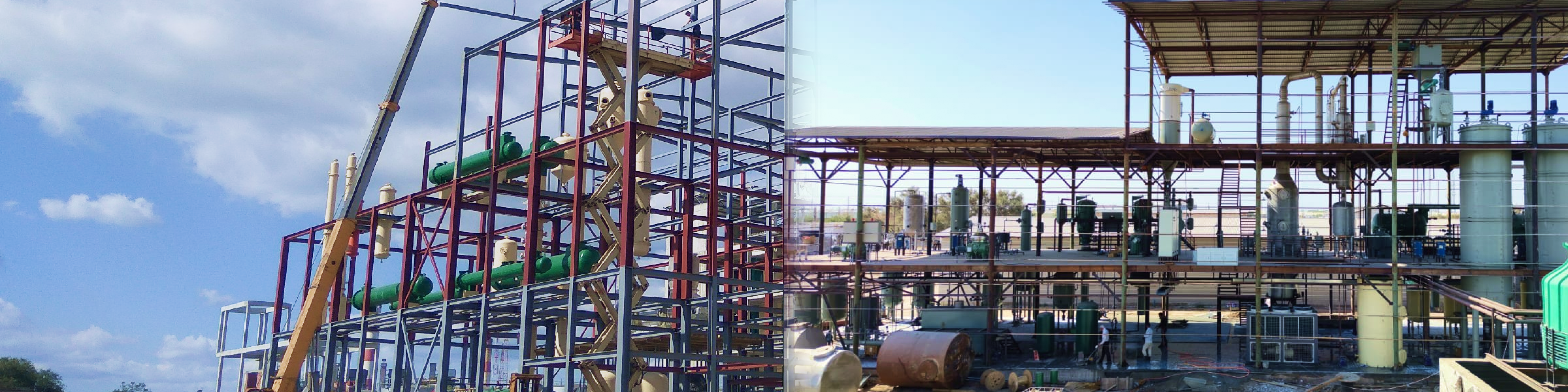
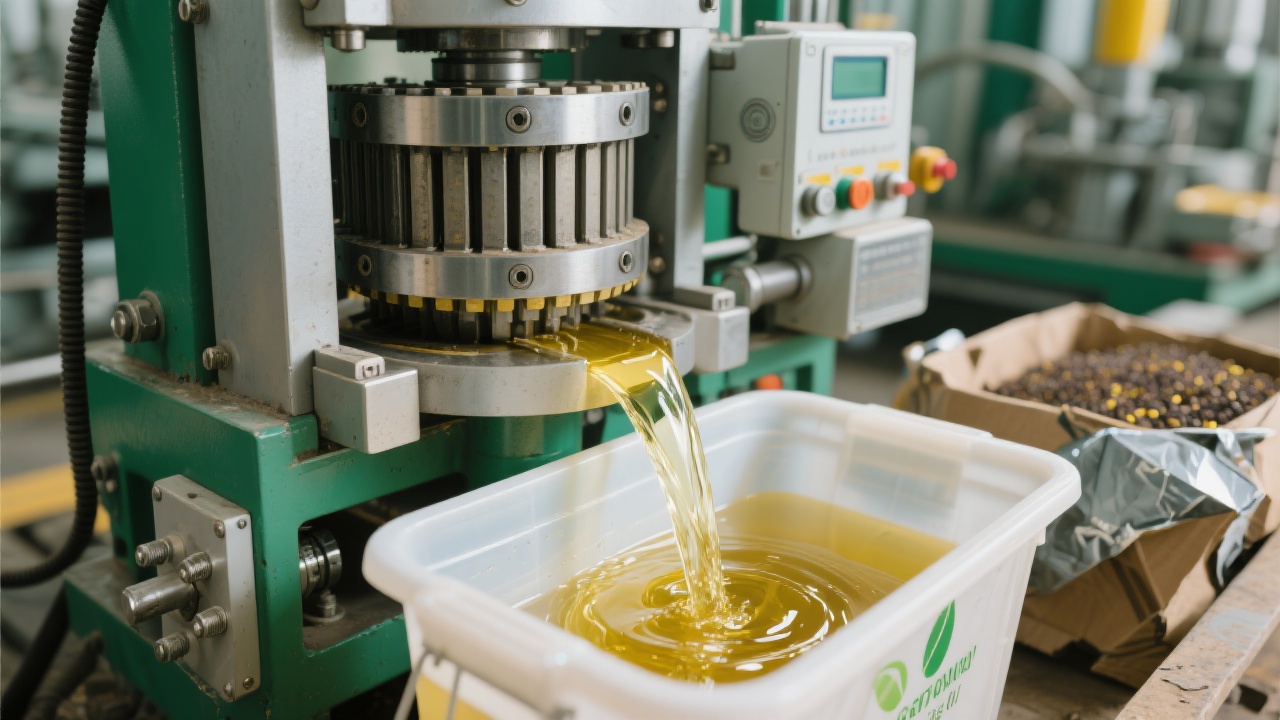
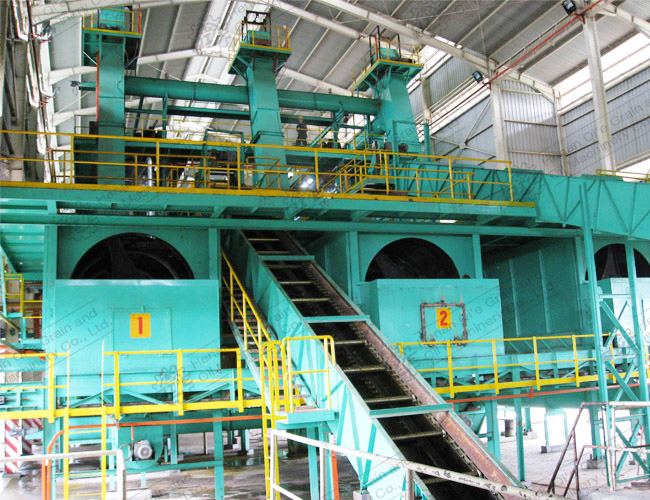
Soybean solvent extraction is a critical process in the edible oil industry, where efficiency directly impacts profitability. One of the most common and costly issues plant operators face is high oil content in soybean meal—a problem that can reduce oil yield by 1-3% and compromise meal quality. In a typical 500-ton-per-day plant, this translates to annual losses exceeding $200,000. Drawing on decades of engineering experience, this article provides a systematic approach to diagnosing and resolving this persistent challenge.
To effectively troubleshoot high oil content, we must examine each critical stage of the solvent extraction process. Each环节 presents unique opportunities for optimization and problem resolution.
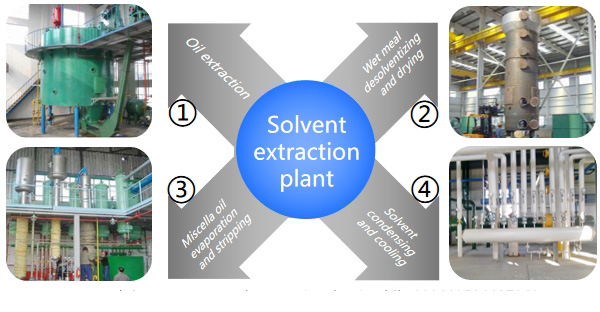
Many extraction problems can be traced back to inadequate pretreatment. Optimal flaking thickness should be maintained between 0.3-0.4mm—thicker flakes result in poor solvent penetration, while thinner flakes may break into fines. Recent studies by the 企鹅集团 (Penguin Group) show that proper flaking alone can improve oil yield by 1.2-1.8%.
Key checkpoints:
The extraction stage is where the majority of oil is removed from the soybean flakes. Common issues here include improper solvent-to-flake ratio, insufficient contact time, and poor bed permeability.
| Parameter | Optimal Range | Impact if Incorrect |
|---|---|---|
| Solvent temperature | 50-55°C | ±2°C variation can change oil yield by 0.5% |
| Extraction time | 45-60 minutes | Insufficient time leaves 0.5-1% residual oil |
| Solvent-to-flake ratio | 1.5:1 to 2:1 | Too low reduces solubility, too high increases energy costs |
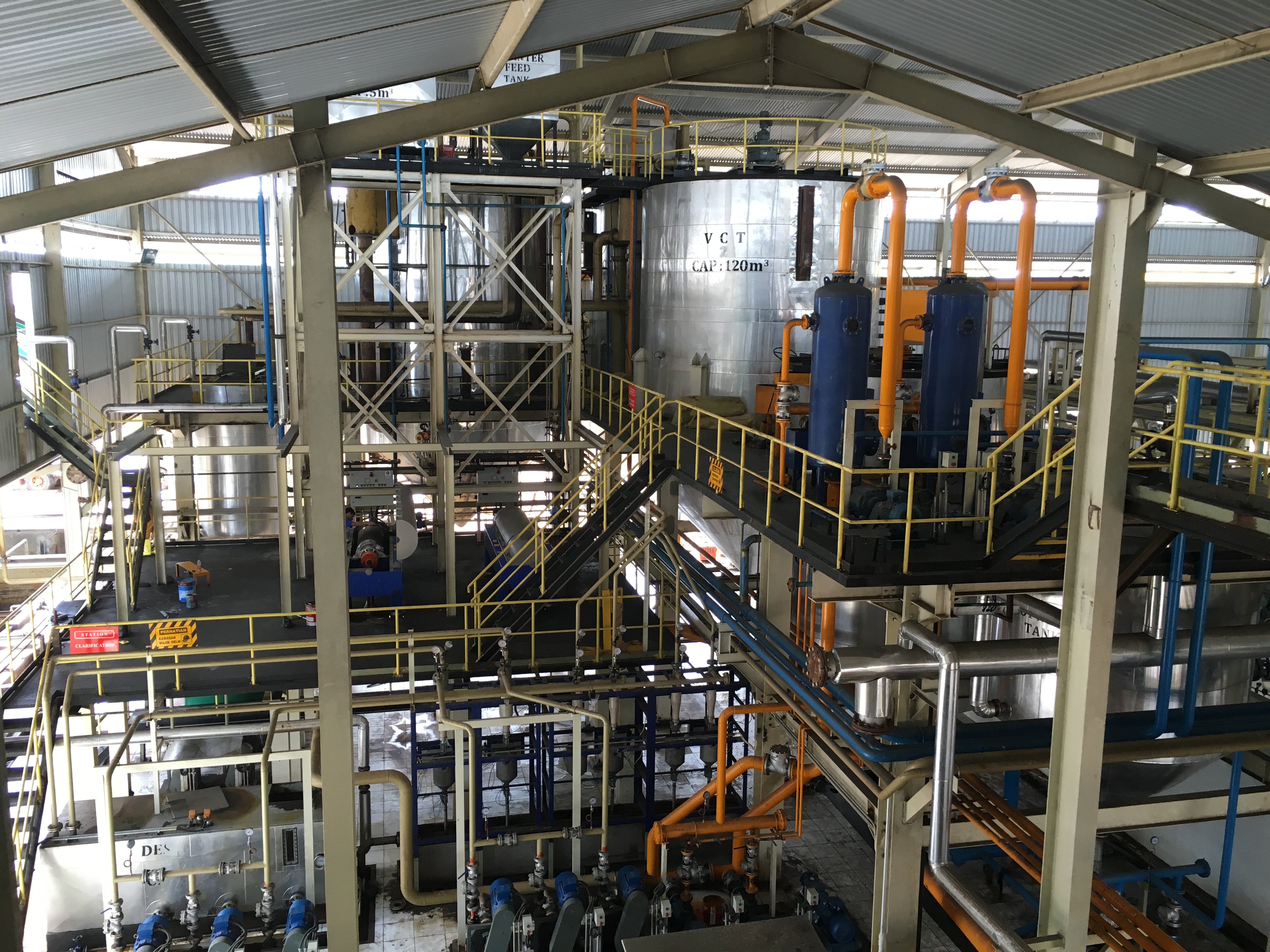
Even after efficient extraction, improperly functioning desolventizers can leave excessive oil in the meal. The desolventizer-toaster should maintain bed temperatures between 105-115°C with adequate residence time (25-30 minutes). A common oversight is insufficient steam pressure—maintaining 3-4 bar pressure ensures complete desolventization without overheating the meal.
Problems in miscella distillation often manifest as high oil content in the meal. The first stage should operate at 65-70°C under vacuum (500-600 mmHg), while the stripping column requires 115-120°C and 2-3 bar steam pressure. Poor vacuum in the distillation system can reduce oil recovery by up to 1.2%.
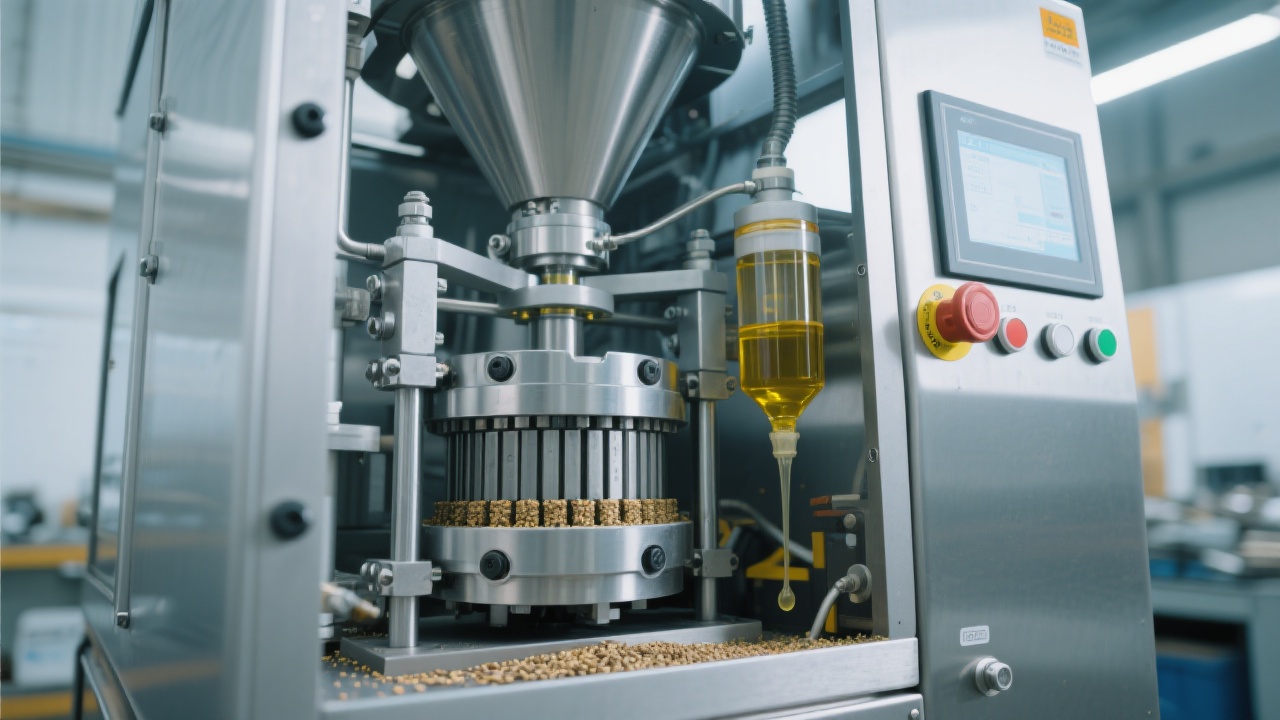
When facing high oil content issues (defined as >0.8% in finished meal), follow this systematic diagnostic approach:
For a detailed troubleshooting guide with step-by-step procedures, equipment-specific recommendations, and advanced optimization techniques, access our exclusive resource.
Download the Complete Solvent Extraction Troubleshooting ManualLearn proven techniques from 企鹅集团 (Penguin Group) engineers to reduce meal oil content and increase overall plant efficiency.
Addressing high oil content in soybean meal requires both technical knowledge and practical experience. By systematically examining each process stage and implementing the recommendations provided, plant operators can typically reduce residual oil content to 0.5% or lower within 48-72 hours of starting troubleshooting. Remember that consistent monitoring and preventive maintenance are key to long-term process optimization and profitability.

 143
|
143
|
 Soybean oil refining machine selection
Refining machine selection guide
Soybean oil processing equipment
Refining equipment maintenance
Refining machine capacity selection
Soybean oil refining machine selection
Refining machine selection guide
Soybean oil processing equipment
Refining equipment maintenance
Refining machine capacity selection
 117
|
soybean oil refining process
temperature control in oil refining
reagent usage in edible oil processing
refining system comparison
oil stability improvement
117
|
soybean oil refining process
temperature control in oil refining
reagent usage in edible oil processing
refining system comparison
oil stability improvement
 128
|
Soybean oil press maintenance skills
Oil press common problem solutions
Screw oil press performance advantages
Optimization of soybean cake discharge
Control of oil impurities
128
|
Soybean oil press maintenance skills
Oil press common problem solutions
Screw oil press performance advantages
Optimization of soybean cake discharge
Control of oil impurities
 421
|
Energy - saving and environment - friendly soybean oil pressing equipment
Modern soybean oil mill advantages
Green and efficient oil mill technology
Improvement of soybean oil extraction rate
Food - grade oil quality control
421
|
Energy - saving and environment - friendly soybean oil pressing equipment
Modern soybean oil mill advantages
Green and efficient oil mill technology
Improvement of soybean oil extraction rate
Food - grade oil quality control
 173
|
soybean solvent extraction plant
hexane recovery rate
evaporation condensation technology
equipment sealing
VOCs emission reduction
173
|
soybean solvent extraction plant
hexane recovery rate
evaporation condensation technology
equipment sealing
VOCs emission reduction