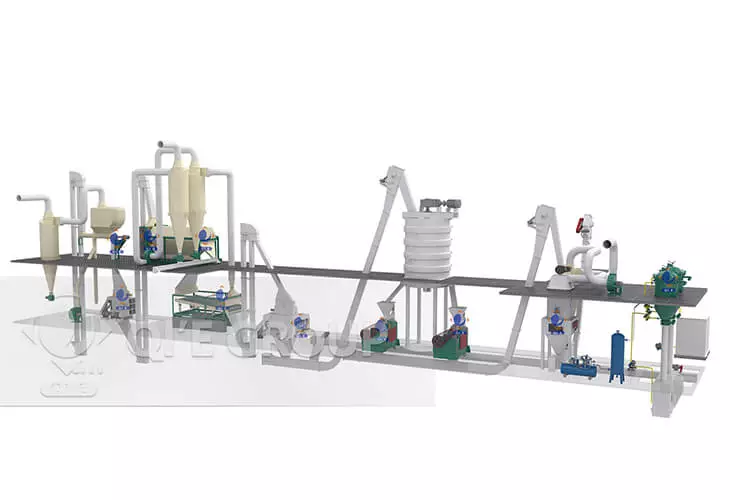
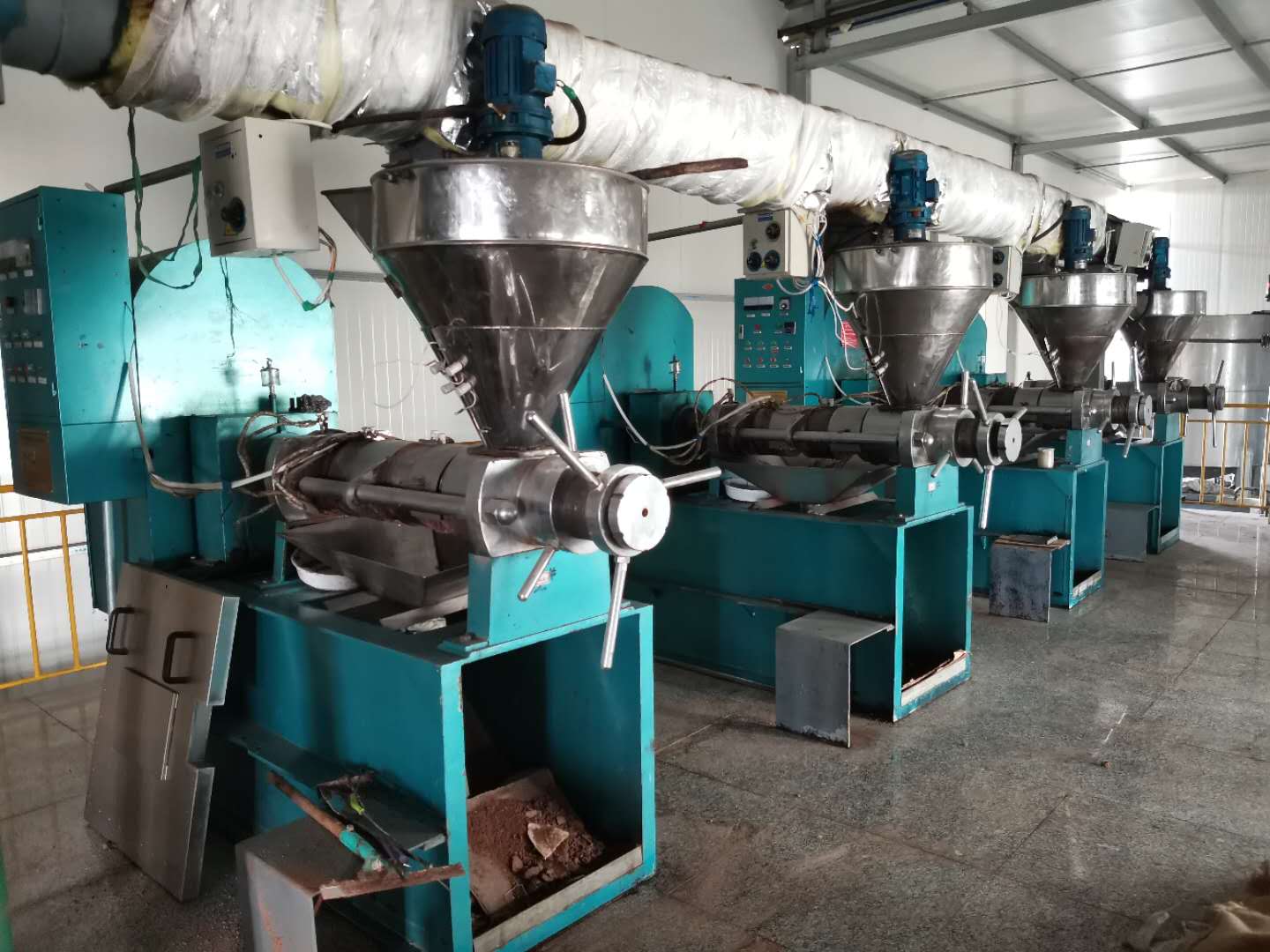
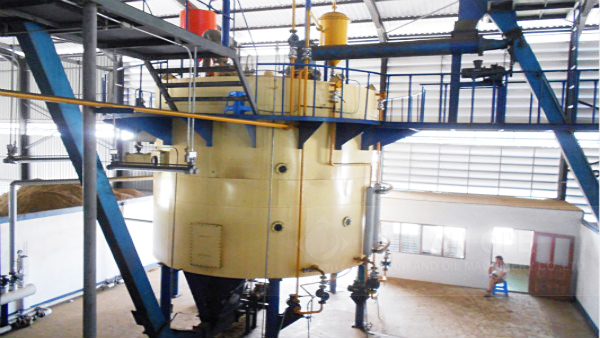
Soybean oil production via solvent extraction is a cornerstone of the edible oil industry, demanding precision and technical finesse. This article meticulously dissects the full soybean solvent extraction workflow — from initial soybean preparation through solvent recovery and oil refining — providing invaluable insights into each process phase, critical control parameters, and common failure points. Delivered with insights from engineering practice, this guide serves both as a rigorous training tool for newcomers and a technical reference for veteran engineers aiming to optimize plant performance and product quality.
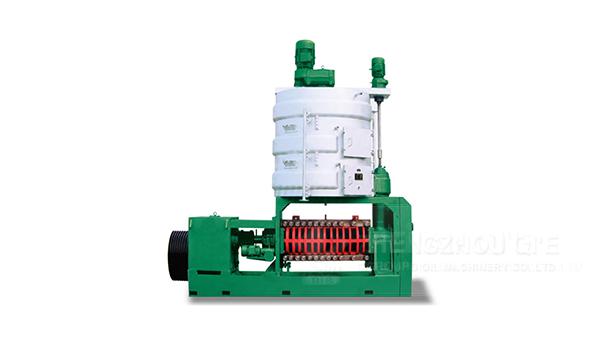
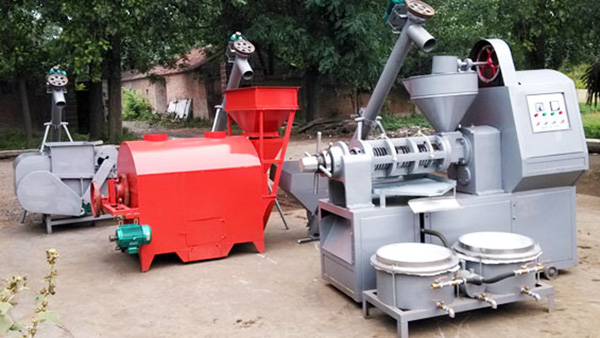
The process initiates with soybean cleaning to remove impurities such as stones, dust, and husks, ensuring extraction efficiency and solvent purity. Next, soybeans undergo crushing to break seeds into flakes, enlarging surface area for solvent contact. Conditioning or cooking follows by applying steam to soften the flakes, adjust moisture content (typically between 7-9%), and deactivate anti-nutritional factors.
Key Control Parameters: Conditioning temperature around 80–85°C, moisture control within ±0.5%, and uniform flake thickness around 1.2–1.5 mm optimize solvent penetration and oil release.
The conditioned flakes are loaded into the extractor, where they are percolated with food-grade hexane solvent. Hexane leverages its excellent oil solubility to separate oil from the solid matrix. Operators control critical parameters such as solvent concentration (~95-98%), solvent-to-flake ratio, extraction time (typically 4–6 hours), and extraction temperature (around 50-60°C) to maximize oil yield and minimize residual oil in soybean meal.
Residual oil content in extracted meal is pivotal; an industry benchmark aims for less than 1.5% to guarantee economic viability and quality. Deviations often indicate solvent channeling, inadequate contact, or flake quality issues.
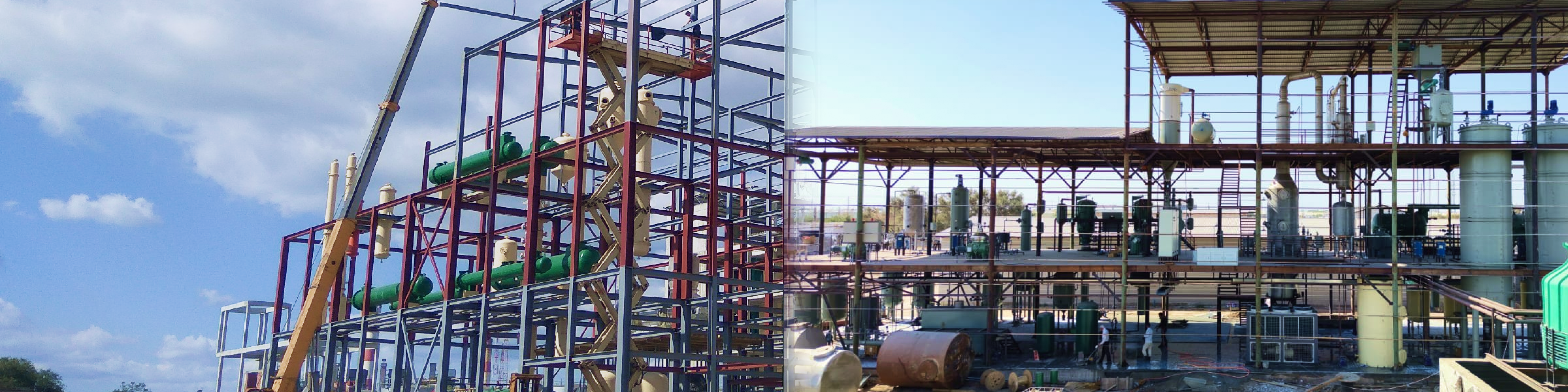
Post-extraction, the soybean meal contains both oil and hexane traces. Desolventizing employs steam-heated desolventizer-toaster units to evaporate residual solvent under controlled temperature and vacuum. Proper control avoids overheating that could degrade protein quality or underheating causing residual solvent retention.
Standard steam pressure for desolventization ranges from 300-600 kPa, and process time extends 30-60 minutes depending on throughput. Continuous monitoring of bed temperature and moisture content ensures safe and efficient solvent removal.
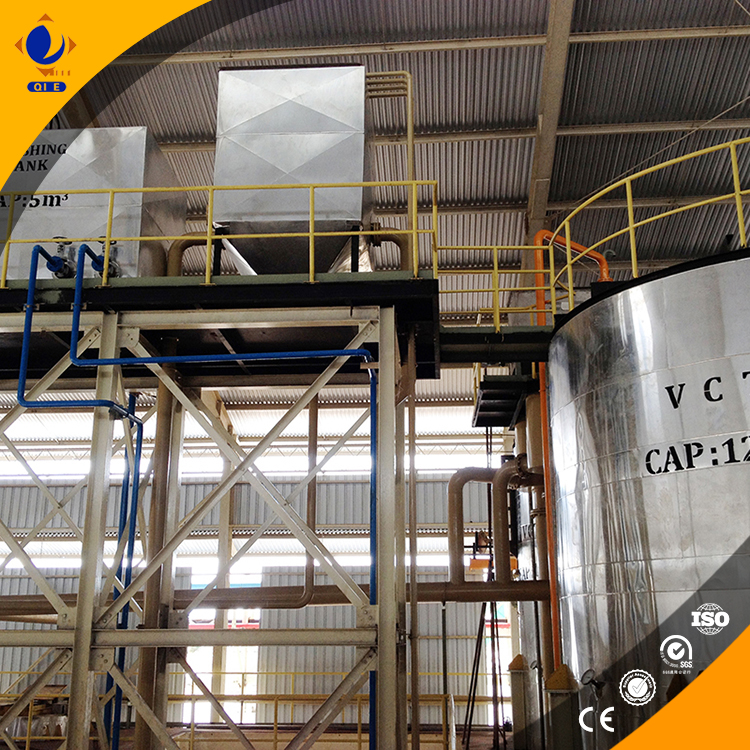
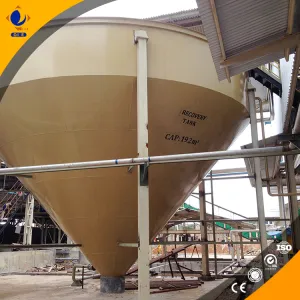
Extracted crude oil is separated from hexane using distillation columns operating under vacuum at 70-90°C to vaporize and recover solvent. Efficient solvent recovery systems recycle hexane back to the extractor, cutting costs and environmental impact.
Ensuring solvent loss under 1% is a crucial KPI. Typical solvent recovery reaches over 99%. Failures often arise from column flooding, inadequate vacuum levels, or heat transfer inefficiencies.
The crude oil undergoes refining stages (degumming, neutralization, bleaching, deodorization) to remove impurities, phospholipids, free fatty acids, and odors, producing edible-grade soybean oil. Optimizing refining conditions ensures retention of nutritional value and oil stability.
Through cumulative engineering practice, several frequent faults in the solvent extraction line have been identified. Below is a troubleshooting framework summarizing typical problems, likely causes, and remedial actions:
| Issue | Potential Causes | Recommended Action |
|---|---|---|
| High residual oil in meal | Uneven solvent distribution; flake quality; short extraction time | Adjust solvent flow, increase extraction time, inspect flake size |
| Excessive solvent loss | Distillation column flooding; poor vacuum; heat exchanger fouling | Perform vacuum pump maintenance; clean exchangers; check reflux ratio |
| Protein degradation in meal | Overheating in desolventizer; steam pressure too high | Implement tighter temperature control; reduce steam pressure |
| Poor oil quality after refining | Inadequate neutralization; bleaching filter saturation | Optimize chemical dosing; replace bleaching earth timely |
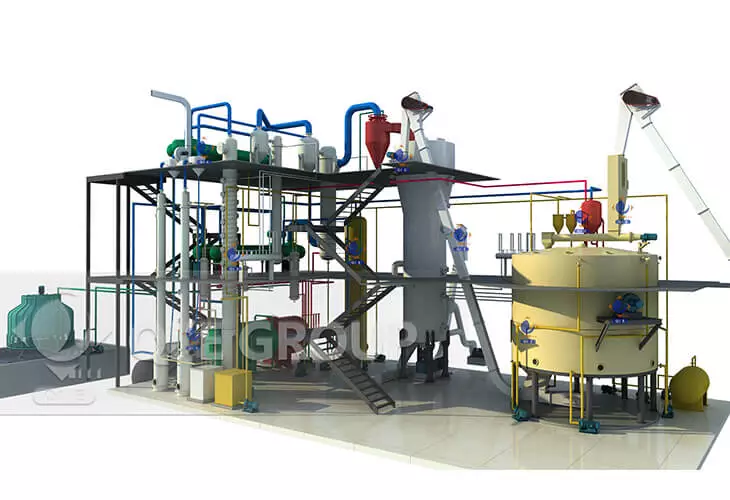
Implementing these systematic approaches coupled with routine monitoring of parameters such as extractor temperature, solvent concentration, bed moisture, and distillation vacuum significantly reduces unplanned downtime and improves both throughput and consistency.
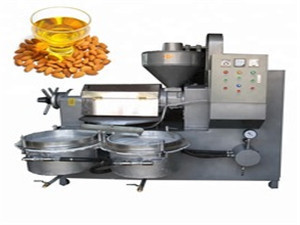
The overarching goal is to balance operational parameters delicately to maximize yield while preserving soy protein integrity and meeting stringent food safety standards. This comprehensive understanding rooted in QIE Group’s expertise allows for sustainable, high-quality industrial soybean oil extraction.

 73
|
73
|
 high efficiency
automation
quality control
high efficiency
automation
quality control
 402
|
soybean oil
biodiesel
animal feed
sustainable development
market trends
402
|
soybean oil
biodiesel
animal feed
sustainable development
market trends
 324
|
soybean solvent extraction hexane recovery
hexane recovery technology optimization
solvent extraction evaporation condensation system
desolventizing temperature control
miscella concentration management
324
|
soybean solvent extraction hexane recovery
hexane recovery technology optimization
solvent extraction evaporation condensation system
desolventizing temperature control
miscella concentration management
 329
|
Palm Kernel Oil Extraction Equipment
Palm Kernel Oil Refining Machine
Oil Refining Equipment
Automated Palm Oil Machinery
High Efficiency Oil Refining
Eco-friendly Palm Kernel Oil Process
Long-lasting Oil Extraction Equipment
Palm Oil Production Solutions
Comprehensive Oil Processing Services
329
|
Palm Kernel Oil Extraction Equipment
Palm Kernel Oil Refining Machine
Oil Refining Equipment
Automated Palm Oil Machinery
High Efficiency Oil Refining
Eco-friendly Palm Kernel Oil Process
Long-lasting Oil Extraction Equipment
Palm Oil Production Solutions
Comprehensive Oil Processing Services
 402
|
soybean meal export trade
soybean meal quality standards
soybean meal storage guidelines
soybean meal export compliance
soybean meal international regulations
402
|
soybean meal export trade
soybean meal quality standards
soybean meal storage guidelines
soybean meal export compliance
soybean meal international regulations