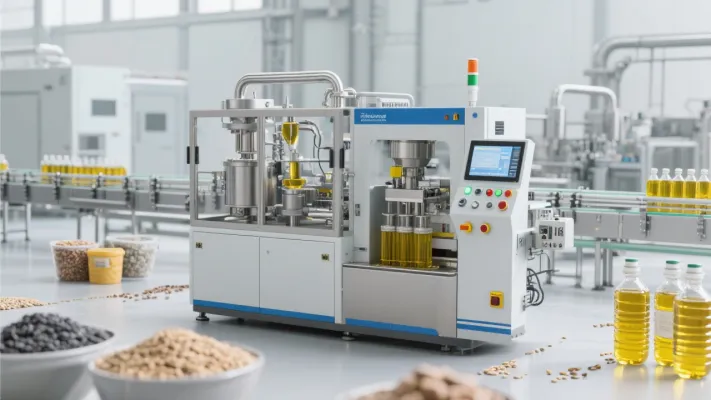
In the industrial edible oil production sector, soybean solvent extraction stands as the cornerstone technology that bridges raw material potential with marketable products. This sophisticated process not only determines the efficiency of oil extraction but directly impacts the quality of both crude oil and high-protein soybean meal—two critical commodities in global agriculture and food industries. With over 90% of the world's soybean oil produced through solvent extraction methods, mastering this process is essential for operational excellence.
Industry Insight:
Modern solvent extraction plants can achieve oil recovery rates exceeding 97%, with residual oil in meal typically maintained between 0.5% and 1.5%—a benchmark that directly influences facility profitability and product quality.
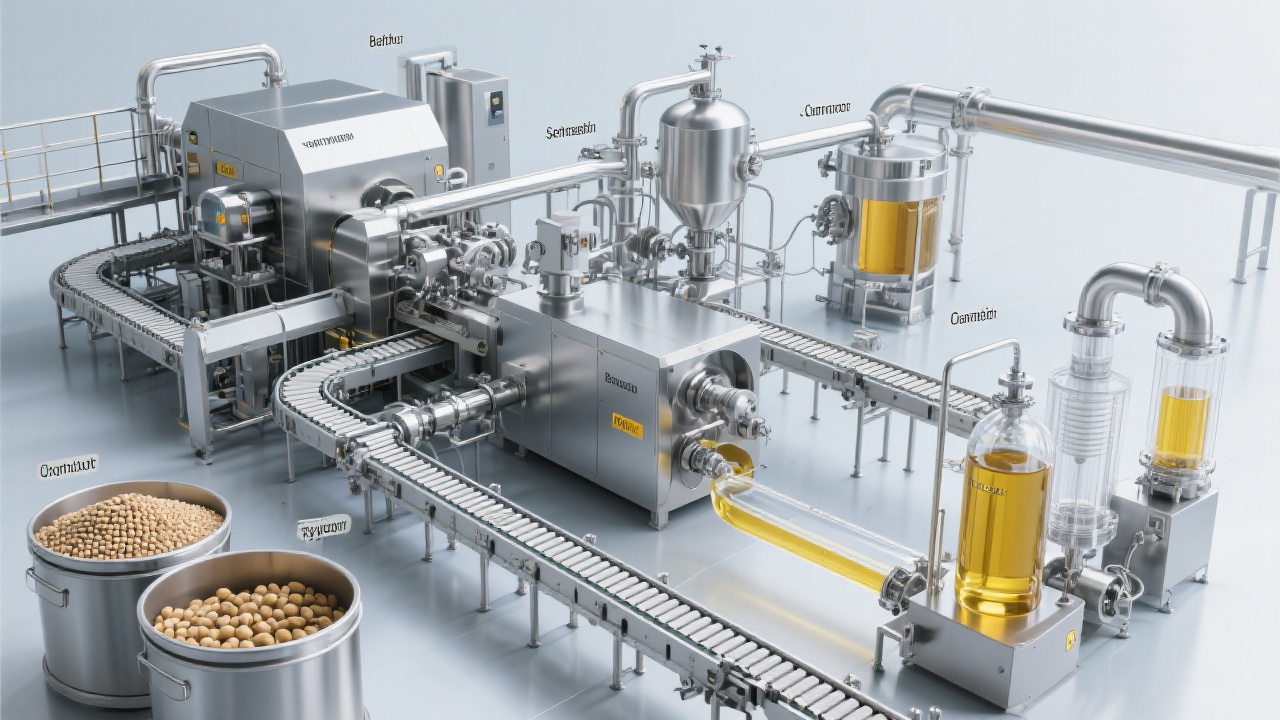
The soybean solvent extraction process operates as a meticulously coordinated system where each stage depends on the previous one's performance. Understanding this interdependency is crucial for troubleshooting and optimization.
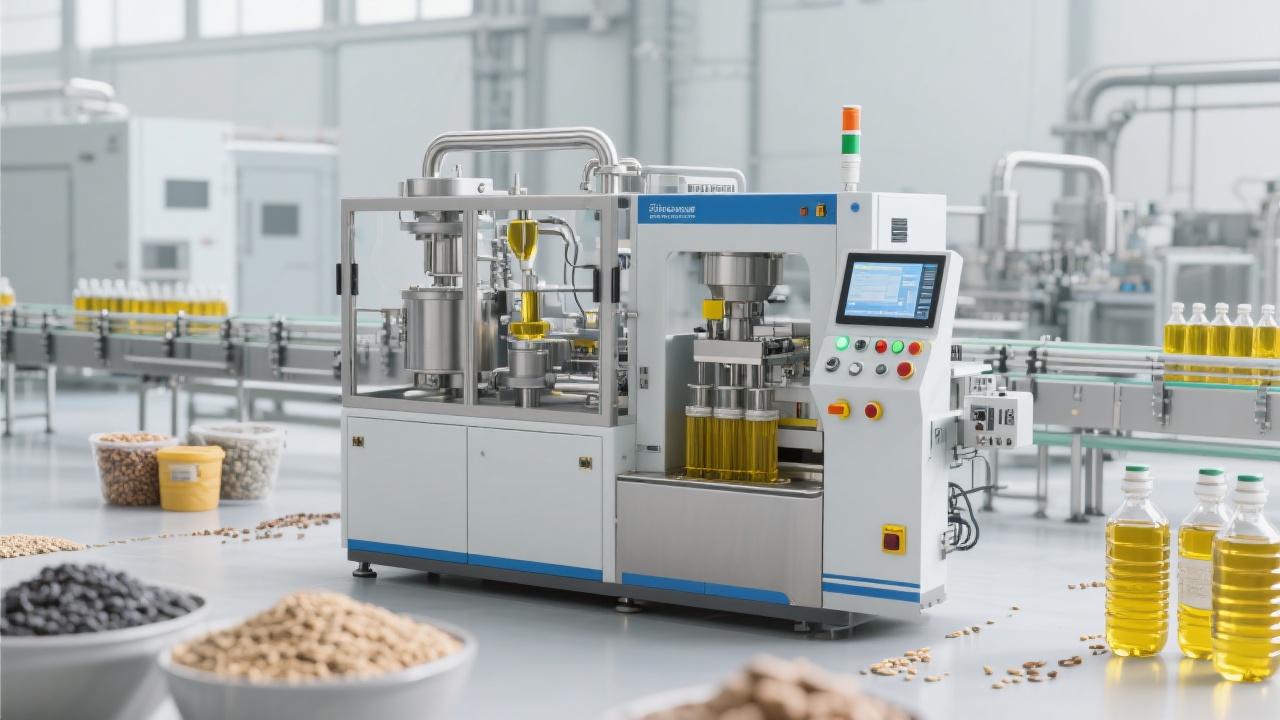
This initial stage transforms soybeans into flakes optimized for solvent penetration. The process begins with cleaning to remove impurities (typically 1-3% of incoming material), followed by cracking, dehulling, and conditioning. The critical flaking step reduces soybean pieces to uniform thickness (0.3-0.4mm) while maintaining cell structure integrity—directly impacting solvent access during extraction.
Key control parameters include: temperature (60-70°C), moisture content (9-11%), and flake thickness variation (±0.05mm). Properly prepared flakes can increase oil yield by up to 2% compared to poorly processed material.
In this stage, hexane—a highly efficient solvent—selectively dissolves the oil from soybean flakes. Modern extractors, often of the countercurrent design, achieve optimal contact between solvent and solids. The extraction efficiency depends on solvent-to-flake ratio (typically 1.5:1 to 2:1), temperature (45-55°C), and residence time (30-60 minutes).
The QIE Group has developed proprietary extraction technologies that enhance solvent distribution and reduce extraction time by 15% while maintaining superior oil recovery rates. Properly operated extraction systems should consistently produce miscella (solvent-oil mixture) with 15-25% oil content.
After extraction, the solvent-laden meal undergoes desolventization to remove residual hexane. This critical step ensures both product safety and solvent recovery for reuse. The desolventizer-toaster typically operates at 105-115°C, using steam injection to strip solvent from the meal.
Control parameters here directly impact both product quality and operational costs. Excessive temperature can denature proteins, reducing meal value, while insufficient processing leaves solvent residues (target: <500 ppm). The QIE Group advanced desolventizing systems achieve solvent recovery rates exceeding 99.5%, significantly reducing operational costs.
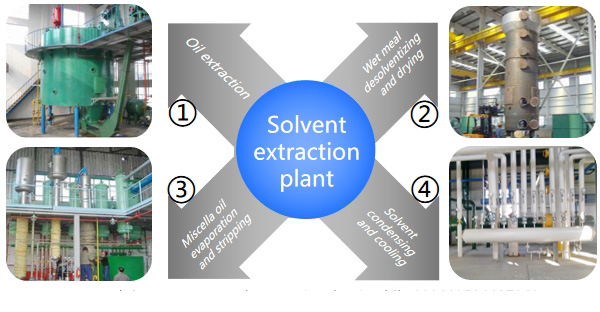
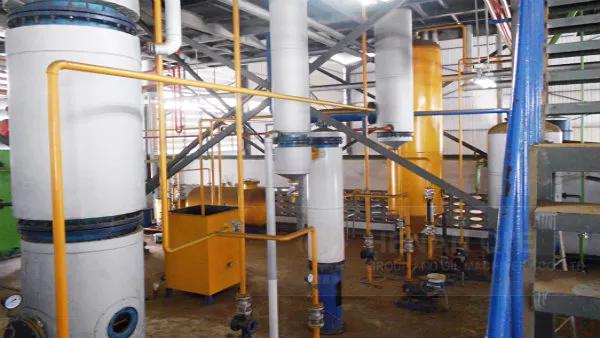
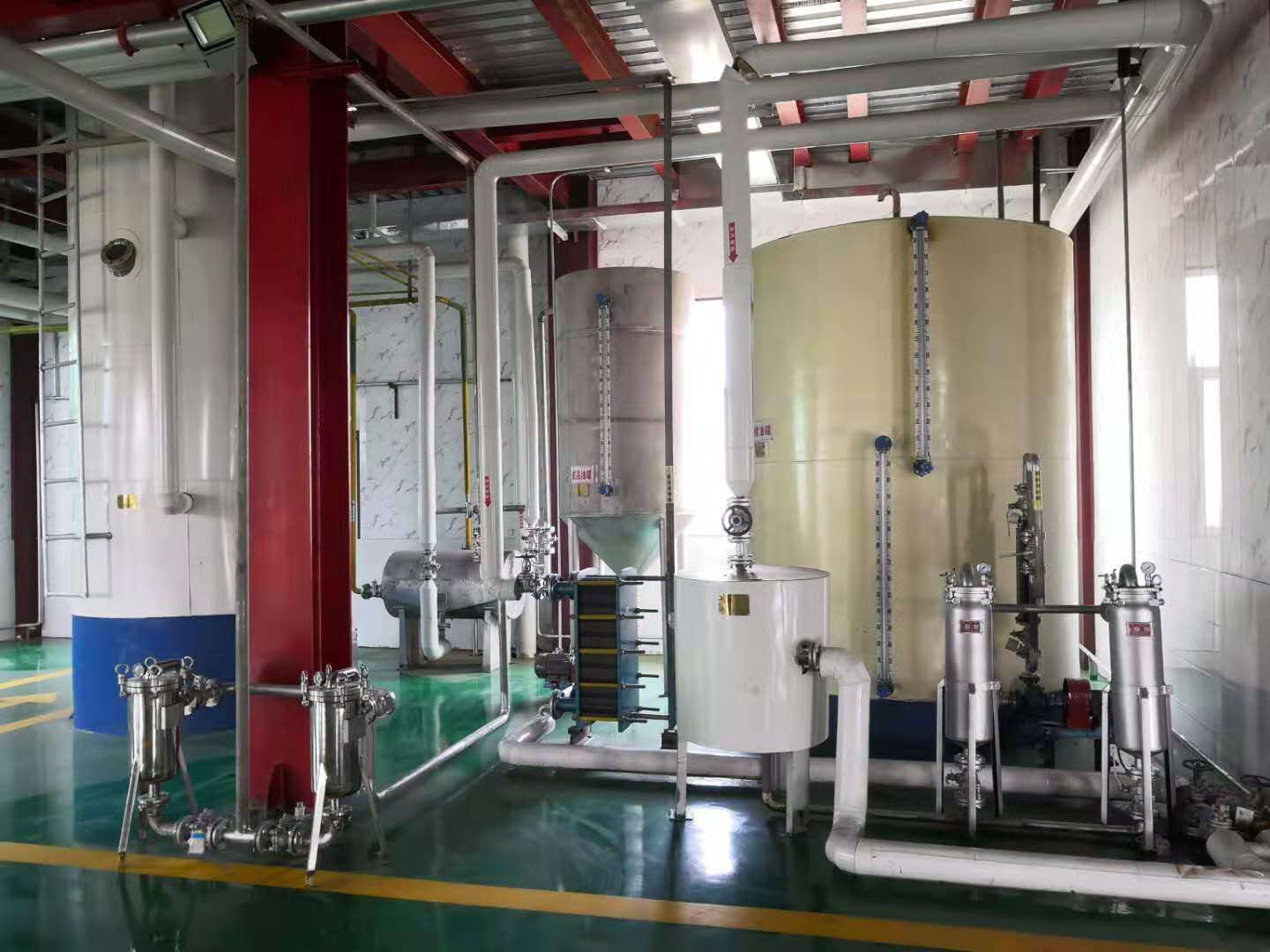
The miscella from extraction undergoes multi-stage distillation to separate oil from solvent. This process typically involves three stages: pre-evaporator, main evaporator, and stripper. Operating under vacuum conditions (50-100 mmHg) allows effective separation at lower temperatures (100-120°C), preserving oil quality.
Efficient distillation reduces solvent carryover to less than 0.1% in crude oil, minimizing further processing requirements. The QIE Group proprietary distillation technology achieves energy savings of 20% compared to conventional systems while maintaining superior separation efficiency.
The final stage transforms crude soybean oil into refined, bleached, and deodorized (RBD) oil ready for market. This involves degumming, neutralization, bleaching, and deodorization processes that remove phospholipids, free fatty acids, pigments, and off-flavors.
Key quality parameters include free fatty acid content (<0.1%), peroxide value (<1 meq/kg), and color (5-10 Red Lovibond units). Proper refining not only enhances oil stability and shelf life but also unlocks premium market opportunities.
A mid-sized extraction plant was experiencing residual oil levels averaging 2.3%—well above their target of 1.2%. Through systematic analysis, engineers identified three root causes:
Implementing corrective actions reduced residual oil to 0.98% within 48 hours, resulting in annual additional oil recovery of approximately 360 metric tons—representing significant profit improvement.
Other common issues include solvent losses exceeding 0.5 kg per ton of soybeans processed, which directly impact operational costs and environmental compliance. The QIE Group solvent recovery systems consistently achieve losses below 0.3 kg/ton through advanced vapor recovery and monitoring technologies.
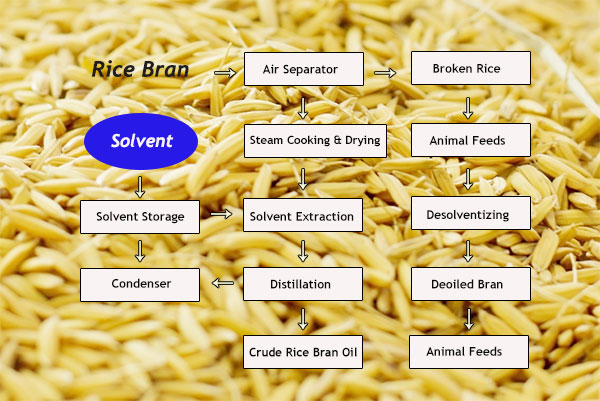
In today's competitive market, optimizing every aspect of the solvent extraction process is essential for profitability. Key areas for improvement include energy efficiency, solvent recovery, yield maximization, and byproduct value enhancement.
High-protein soybean meal represents a significant revenue stream, with protein content typically ranging from 44-48%. By carefully controlling desolventization parameters, producers can preserve protein quality while achieving optimal solvent removal—a balance that the QIE Group process control systems excel at maintaining.
Enhance your operational efficiency with our expert guide featuring advanced troubleshooting techniques and optimization strategies.
Download The Complete Solvent Extraction Troubleshooting ManualIdeal for plant managers, process engineers, and technical staff seeking to optimize performance
Continuous improvement requires systematic data collection and analysis. Implementing real-time monitoring of key process parameters—including temperatures, pressures, flow rates, and product quality metrics—enables proactive adjustments before issues impact production. The QIE Group offers integrated process control solutions that provide actionable insights for sustained operational excellence.
As the global demand for plant-based oils and high-protein animal feed continues to grow, optimizing soybean solvent extraction processes becomes increasingly critical. By focusing on each stage's key control points and their interdependencies, operators can achieve consistent quality, maximize yields, and maintain competitive advantage in the marketplace.
.jpg?x-oss-process=image/resize,h_300,m_lfit/format,webp)
 470
|
470
|
 soybean oil press maintenance
screw press lubrication guide
oil extraction efficiency tips
hydraulic oil press cleaning
soybean pre-processing for oil extraction
soybean oil press maintenance
screw press lubrication guide
oil extraction efficiency tips
hydraulic oil press cleaning
soybean pre-processing for oil extraction
 469
|
technical innovation
market outlook
industry trends
469
|
technical innovation
market outlook
industry trends
 379
|
Soybean Oil Extraction
Solvent Extraction Plant
High Oil Yield
Soybean Meal Production
Industrial Oil Processing
379
|
Soybean Oil Extraction
Solvent Extraction Plant
High Oil Yield
Soybean Meal Production
Industrial Oil Processing
 398
|
soybean oil press
soybean pressing principle
grain and oil processing equipment
oil press operation process
high - efficiency oil extraction
398
|
soybean oil press
soybean pressing principle
grain and oil processing equipment
oil press operation process
high - efficiency oil extraction
 266
|
soybean oil press
production scale suitability
soybean oil press features
266
|
soybean oil press
production scale suitability
soybean oil press features