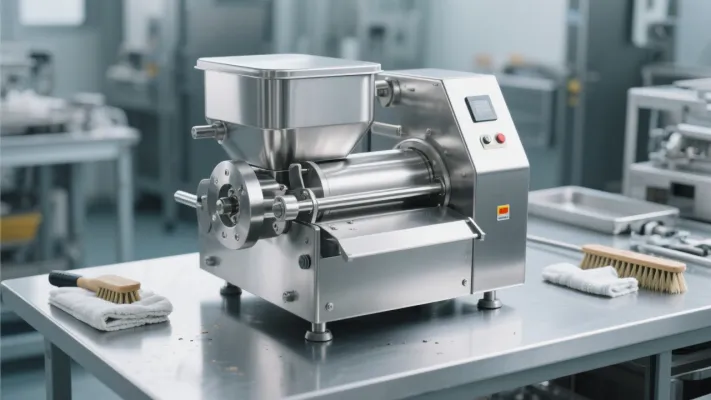
Spring is the prime season for soybean pressing. As a professional in the oil - processing industry, you're well - aware that ensuring the efficient operation of your soybean oil press, maximizing oil yield, and prolonging equipment lifespan are top priorities. This article delves into the core principles and operational procedures of soybean oil presses, offering you practical guidance and solutions.
The spring soybean pressing peak poses significant challenges to your equipment. The high - volume processing demands put extra stress on the oil press, increasing the risk of breakdowns. For instance, continuous operation for long hours can cause overheating of key components, which may lead to reduced efficiency and even costly repairs. In addition, the varying quality of spring - harvested soybeans can also affect the performance of the equipment.
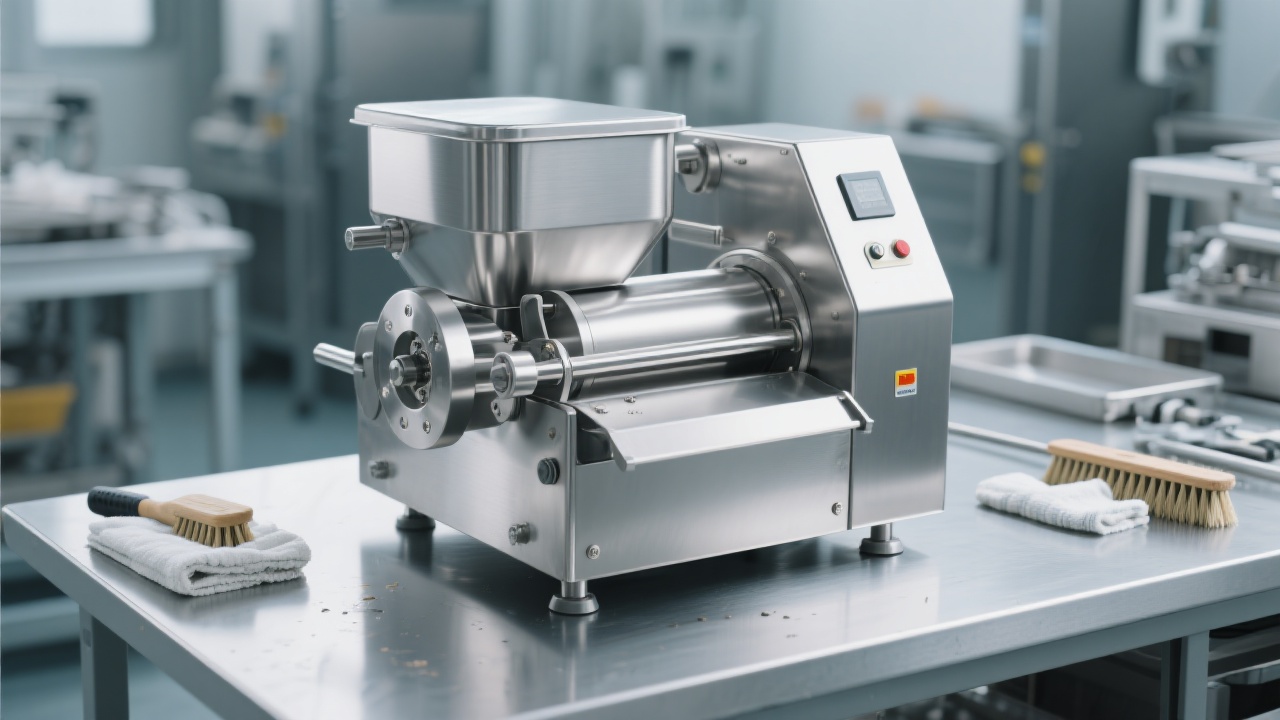
Before starting the pressing process, you must clean the soybeans thoroughly. Impurities such as stones, dust, and broken beans can damage the oil press and affect the quality of the oil. A proper cleaning process can improve the efficiency of the subsequent steps and increase the overall oil yield by about 3 - 5%.
When feeding the soybeans into the press, maintain a consistent and appropriate speed. Too fast a feeding speed can cause blockages, while too slow a speed may result in uneven pressing. It's recommended to adjust the feeding speed according to the capacity of your oil press.
The pressing stage is the core of the whole process. You need to pay close attention to the key parameters such as moisture, temperature, and pressure. Generally, a moisture content of 8 - 12% in soybeans, a temperature of 110 - 130°C during hot - pressing, and an appropriate pressure setting can significantly improve the oil yield. In some cases, optimizing these parameters can increase the oil yield by up to 15%.
After pressing, filtering the crude oil is essential to remove any remaining impurities. A well - designed filtering system can ensure the clarity and quality of the final oil product, which is crucial for market acceptance.
The quality of the bean cake can also reflect the efficiency of the pressing process. A well - formed and dry bean cake indicates that the pressing process is optimized. You can use the bean cake as animal feed or for other purposes, adding additional value to your production.
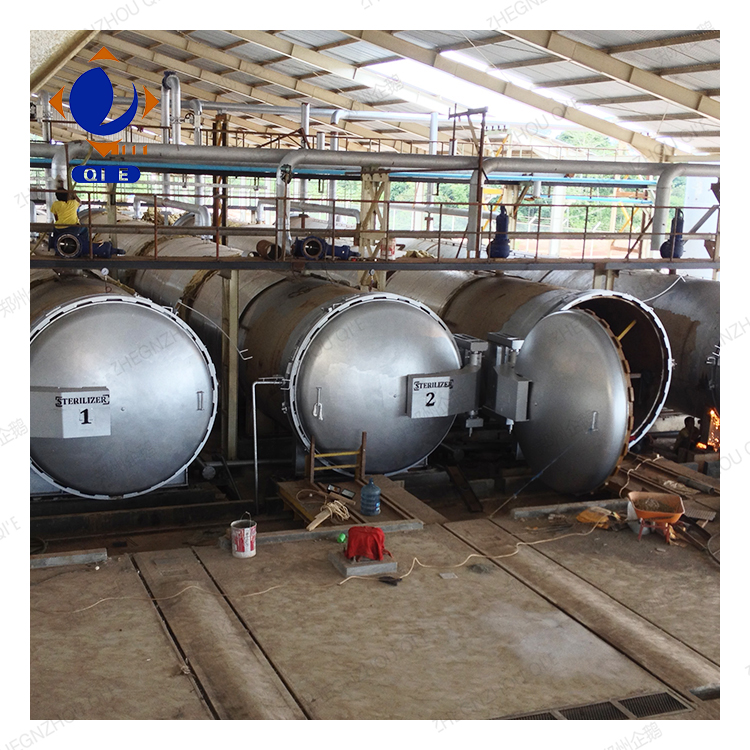
As mentioned above, moisture, temperature, and pressure are the key parameters that affect the oil yield. The moisture content of soybeans needs to be carefully controlled. If the moisture is too high, it can cause the oil to emulsify, making it difficult to separate; if it's too low, the oil cells may not be fully broken, resulting in a lower oil yield. Temperature and pressure settings also need to be adjusted according to the type of soybeans and the pressing method (cold - pressing or hot - pressing).
During the operation of the soybean oil press, you may encounter some typical faults, such as abnormal noise, low oil output, or uneven bean cake. For example, abnormal noise may be caused by loose parts or excessive wear of bearings. Regular preventive maintenance, such as lubricating moving parts, checking the tightness of bolts, and inspecting electrical connections, can effectively reduce the occurrence of these faults.
"Since we followed the maintenance suggestions in this article, our oil press has been running smoothly, and the oil yield has increased by about 10%. It's really helpful!" - A small - scale oil mill operator
Let's take a look at some real - world cases. A medium - sized oil mill optimized the moisture and temperature settings of their soybeans and carried out regular maintenance on their oil press. As a result, they increased their daily oil production by 20% and reduced equipment downtime by 30%. These cases clearly show that by optimizing the operation and maintenance of the oil press, you can achieve significant efficiency improvements.

If you want to learn more about the technical details of soybean oil presses or need professional support, click here to get in touch with our experts. We're committed to providing you with the most up - to - date technology and reliable solutions to help you succeed in the spring soybean pressing season.





