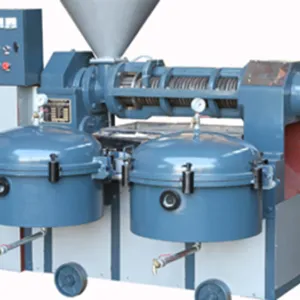
Spring Soybean Processing: Equipment Readiness & Export Client Tips for Optimal Oil Yield
As the spring soybean crushing season begins, ensure your oil press runs efficiently, maximizes oil extraction, and maintains high-quality soybean meal. This guide breaks down the core working principles and step-by-step operation of soybean oil presses—from pre-treatment to pressing, filtration, and final cake output—highlighting key control points and common mistakes. With real-world case studies and a practical checklist, it helps small to mid-sized oil mills, cooperatives, and food processors boost efficiency and meet export standards. Learn how cold vs. hot pressing impacts oil quality and protein retention, plus actionable tips tailored for international clients.

Spring Soybean Pressing Season: How to Prepare Your Oil Press Machine for Maximum Efficiency
As the spring soybean pressing season kicks off, many small to mid-sized oil mills and food processing facilities face recurring challenges—low oil yield, unexpected downtime, and inconsistent cake quality. These issues aren’t just operational headaches—they directly impact your profit margins.
The Five Core Steps of Soybean Oil Extraction (And Where Most Fail)
Understanding how your soybean oil press works isn’t enough—you need to master each stage:
- Cleaning & Pre-Treatment (15–20% of total process time): Moisture content above 12% leads to clogging. Use a rotary drum cleaner with adjustable speed—this can boost throughput by up to 18%.
- Feeding System Calibration: Overloading causes uneven pressure distribution. A properly calibrated feeder ensures consistent feed rate—critical for maintaining output stability.
- Pressing Stage: Optimal temperature range is 75–85°C for hot pressing. Below 70°C, oil extraction drops by ~12%; above 90°C, protein degradation begins.
- Filtration: Poor filtration increases sediment in crude oil, reducing shelf life. A multi-stage filter system (mesh + centrifuge) removes >95% of solids.
- Meal Output Quality: Protein retention should be ≥48% in final cake. If it’s below 45%, your press may be over-pressing or using incorrect die plate settings.
“After following this checklist, our out-of-season oil yield improved from 17.2% to 19.8%—that’s an extra $1,200 per batch.” — Anonymous User, Small Oil Mill in Vietnam
Cold vs Hot Pressing: Which One Fits Your Export Market?
| Factor |
Cold Press |
Hot Press |
| Oil Yield (%) |
16–18% |
19–22% |
| Protein Retention (%) |
48–52% |
44–47% |
| Ideal For |
Premium edible oils (EU, Japan) |
Animal feed, bulk export markets |
If you're targeting premium markets like Germany or South Korea, cold pressing gives you higher value-added products. But if you’re exporting to Middle Eastern or Southeast Asian buyers who prioritize cost efficiency, hot pressing delivers better ROI.
Quick Tip: Run a monthly maintenance check on your hydraulic system—this alone can reduce breakdowns by up to 35%. Don’t skip it!
Your equipment doesn’t have to fail when the pressure rises. With smart prep, clear protocols, and real-world insights, you’ll not only survive the spring rush—you’ll thrive through it.
Ready to optimize your oil press setup? Explore our technical guidebook for seasonal readiness—trusted by over 200+ mills worldwide.