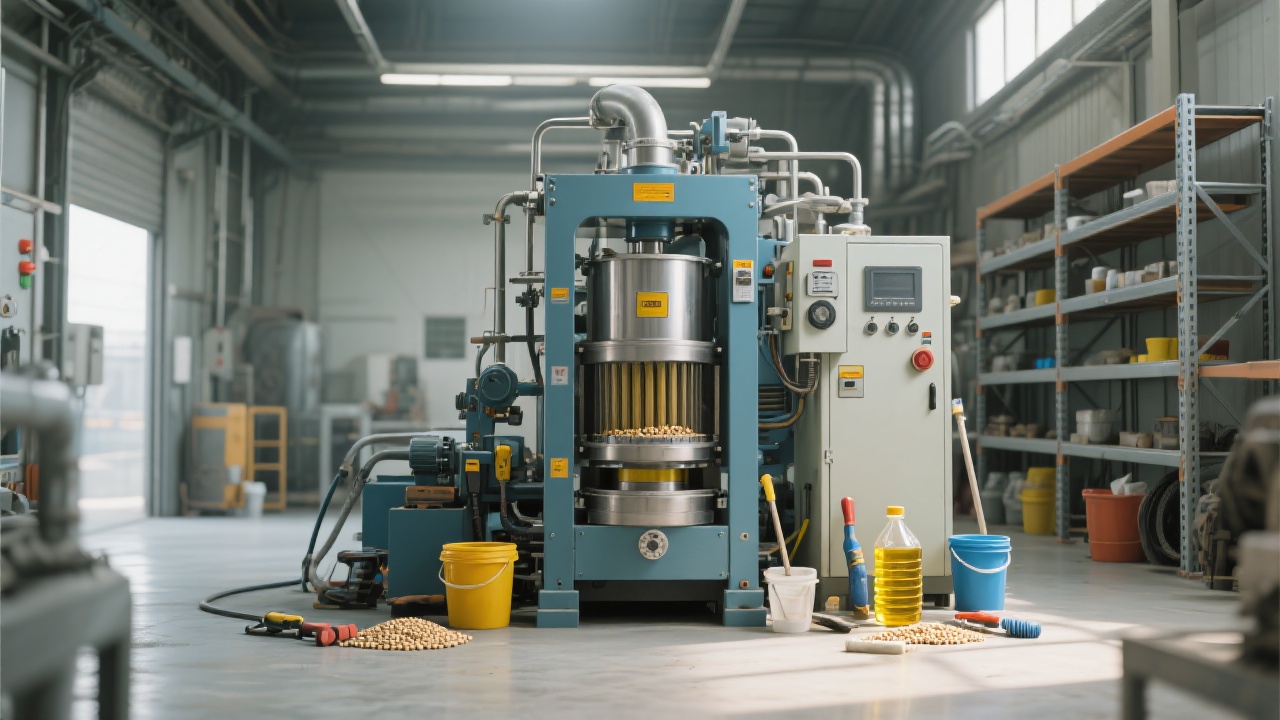
Are you facing issues with the dark yellow color and poor transparency of soybean oil? This article delves deep into the key steps in the refining process that affect the appearance of oil. From degumming, deacidification to decolorization, and deodorization, we'll guide you on how to enhance the clarity and stability of soybean oil by scientifically controlling parameters. With real factory case data, we'll reveal the practical differences and optimization paths of different refining systems (batch, semi - continuous, and continuous) in improving color, helping you create high - quality edible oil products and gain market reputation.
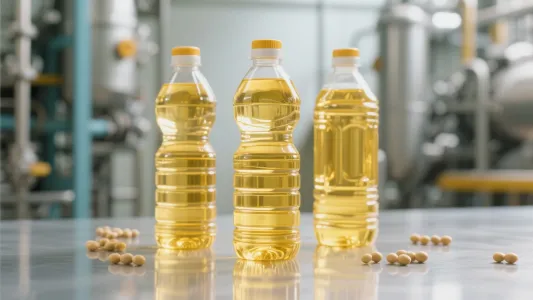
The color of soybean oil is significantly affected by Free Fatty Acids (FFA), pigment residues, and oxidation reactions. FFA can cause the oil to darken over time. Pigment residues, such as carotenoids and chlorophyll, directly contribute to the dark color of the oil. Oxidation reactions, especially when the oil is exposed to air, light, and heat, can also lead to color changes. For example, in a poorly - stored soybean oil batch, the color can change from a light yellow to a deep brown within a few weeks due to these factors.
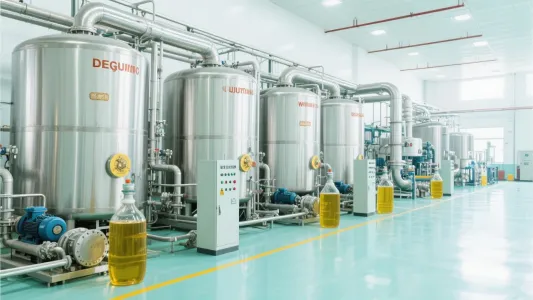
Pre - treatment: This is the first step to remove large impurities in the crude soybean oil, which lays the foundation for subsequent refining steps. By filtering out solid particles, the initial quality of the oil is improved, and it also makes the subsequent processes more efficient.
Degumming: Degumming aims to remove phosphatides from the oil. Phosphatides can cause the oil to become cloudy and affect its stability. Through this process, the clarity of the oil can be significantly improved. In one factory, after degumming, the transparency of the oil increased from 70% to 90%.
Deacidification: This step is mainly to reduce the FFA content in the oil. High levels of FFA can not only affect the color but also the taste and shelf - life of the oil. By using appropriate deacidification methods, the FFA content can be reduced to an acceptable level, usually below 0.1%.

Decolorization: Decolorization is crucial for improving the appearance of the oil. Activated carbon or bleaching earth is commonly used to adsorb pigments in the oil. In a real - world case, after decolorization, the color score of the oil increased by 20%.
Deodorization: This final step removes volatile substances and unpleasant odors from the oil. It also helps to further stabilize the color of the oil. After deodorization, the oil becomes more pure and has a longer shelf - life.
Different refining systems have different performances in color consistency. Batch refining systems are suitable for small - scale production and can be more flexible in adjusting parameters. However, the color consistency may be relatively poor. Semi - continuous refining systems strike a balance between flexibility and efficiency, with better color consistency than batch systems. Continuous refining systems are ideal for large - scale production, offering high efficiency and excellent color consistency. For example, a large - scale soybean oil refinery using a continuous refining system achieved a color consistency rate of over 95%.
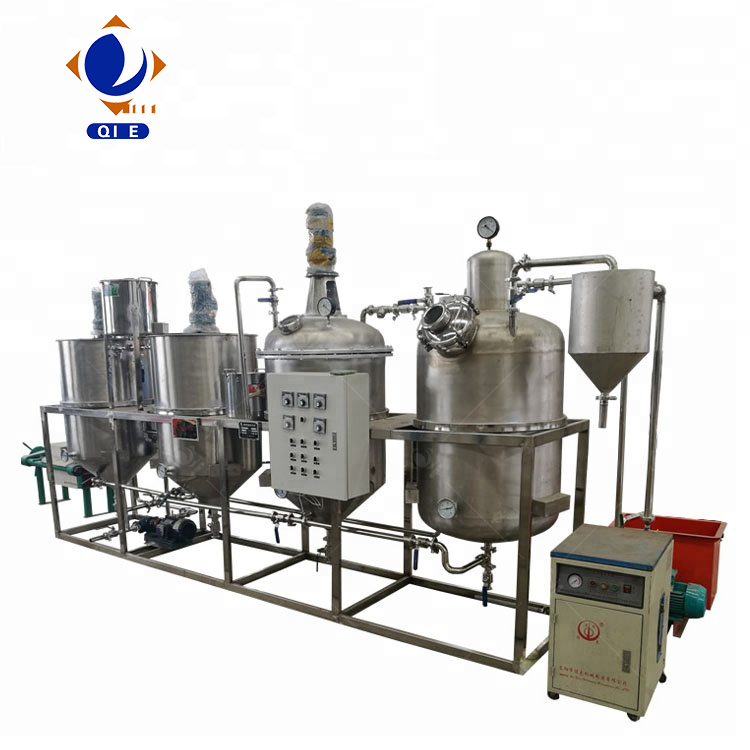
Let's take a look at a real case. A company adopted a new refining process, and the color score of its soybean oil increased by 30%. By analyzing the data from the production process, they were able to identify the key factors affecting the color and make targeted improvements. This shows that data - driven decision - making can effectively improve the quality of soybean oil.
Online detectors and automated control systems are playing an increasingly important role in the soybean oil refining process. Online detectors can continuously monitor the quality parameters of the oil, such as color, FFA content, etc. Automated control systems can adjust the refining parameters in real - time based on the detected data, reducing human errors and ensuring more accurate color control. For example, an automated control system can adjust the dosage of bleaching earth in the decolorization process according to the real - time color of the oil.
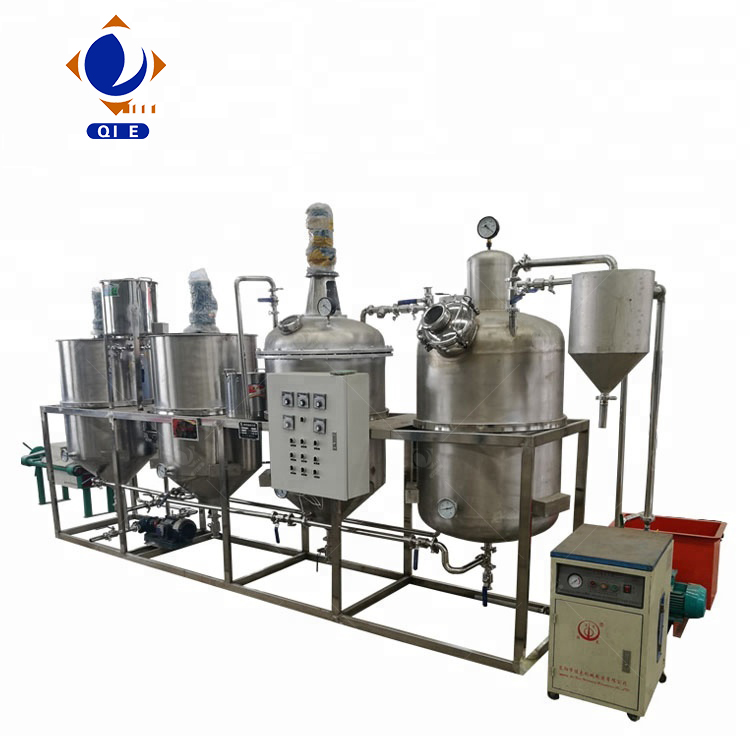
Your factory may also encounter similar problems with unstable oil color. Are you ready to take action to improve the quality of your soybean oil? Let every drop of oil shine! From the source, ensure the quality that customers can see. If you want to learn more about how to optimize your soybean oil refining process and improve the color quality of your products, Click here to explore more solutions.
 430
|
430
|
 soybean oil refining equipment
energy efficient oil refining
deodorization equipment for soybean oil
oil quality improvement in refining
winterization process in oil refining
soybean oil refining equipment
energy efficient oil refining
deodorization equipment for soybean oil
oil quality improvement in refining
winterization process in oil refining
 295
|
soybean oil press machine
efficient oil extraction equipment
advantages of different types of soybean oil presses
295
|
soybean oil press machine
efficient oil extraction equipment
advantages of different types of soybean oil presses
 278
|
soybean oil refining process
GB/T 1535 standard
degumming neutralization bleaching deodorization
refining equipment selection
soybean oil quality improvement
278
|
soybean oil refining process
GB/T 1535 standard
degumming neutralization bleaching deodorization
refining equipment selection
soybean oil quality improvement
 155
|
soya oil making machine
soybean oil extraction machine
mechanical pressing soya oil machine
solvent extraction soya oil machine
high yield soya oil making machine
cost-effective soya oil production
durable soya oil extraction equipment
automated soya oil making machinery
commercial soya oil processing machine
155
|
soya oil making machine
soybean oil extraction machine
mechanical pressing soya oil machine
solvent extraction soya oil machine
high yield soya oil making machine
cost-effective soya oil production
durable soya oil extraction equipment
automated soya oil making machinery
commercial soya oil processing machine
 308
|
small-scale palm oil production equipment
eco-friendly palm oil processing technology
high-efficiency oil extraction solutions
308
|
small-scale palm oil production equipment
eco-friendly palm oil processing technology
high-efficiency oil extraction solutions